Having a dental bone graft can feel like a significant step, especially when you are not sure what the weeks and months ahead look like. The procedure itself is one thing. The healing process is another, and for most people, it is the part that raises the most questions.
Understanding what your body is doing at each stage makes recovery easier to manage. You can spot what is normal, recognise when something needs attention, and make choices that support rather than slow the process down. The dental bone graft healing stages follow a broadly predictable pattern, though individual timelines vary depending on a range of factors your dentist will discuss with you.
Bone grafting is most commonly carried out as preparation forplacing a dental implant, where sufficient jawbone volume is needed to anchor the implant securely.
Quick Overview
Dental bone graft healing stages span from the first 72 hours after surgery through to several months of bone maturation
Anyone who has been told they need a bone graft before implant placement, or to address bone loss, may find this guidance useful
Recovery may involve soft tissue closure, early bone cell activity, progressive integration, and eventual bone maturation
How quickly healing progresses depends on graft type, graft size, general health, oral hygiene, and lifestyle factors like smoking
Whether you are ready for the next step is assessed by your dentist using clinical examination and imaging, not a set calendar date
Keep reading to understand what happens at each stage, what supports healing, and what signs may need prompt attention.
What Is a Dental Bone Graft?
A dental bone graft is a procedure that adds bone material to an area of the jaw where bone volume or density has been lost. The graft material acts as a scaffold, giving the body a structure to build new bone around and through.
Bone loss in the jaw is more common than many people realise. It can follow tooth extraction, particularly if the tooth has been missing for some time. Gum disease that has reached the bone is another common cause: as the infection progresses, the bone supporting the tooth is gradually destroyed. Trauma and certain medical conditions can also reduce bone volume in specific areas of the jaw. As the Australian Government’s health information service notes,adequate jawbone is needed to hold a dental implant securely in place, which is why bone grafting is often a necessary step before implant placement can go ahead.
Graft material may come from several sources. It may be taken from the patient’s own body, typically from another area of the jaw, which is referred to as an autograft. It may come from a human tissue donor (allograft), from animal-derived material (xenograft), or from synthetic materials such as calcium phosphate compounds (alloplast). Each option has different properties and suits different clinical situations. In most cases,bone grafting restores lost jawbone volume following tooth loss, gum disease, or trauma. Your dentist will select the most appropriate material based on the size of the area, the reason for the bone loss, and your individual health profile.
Dental Bone Graft Healing Stages: The Full Timeline
Healing after a dental bone graft happens in overlapping phases. The gum tissue heals first, usually within a few weeks. Deeper bone healing takes considerably longer, often three to six months or more.
Each stage builds on the one before it. The blood clot that forms in the first hours protects the graft and sets up the environment for new blood vessel growth. Those new blood vessels carry the cells that begin forming bone. Over months, that early, soft bone hardens and matures into tissue dense enough to support a dental implant. Imaging at follow-up appointments lets your dentist assess whether each stage is progressing as expected.
The following is a general guide. Your dentist may use different timeframes depending on your case.
Stage 1: The First 72 Hours
The earliest phase of dental bone graft healing begins the moment the procedure is complete.
Your body’s immediate response to surgery is inflammation. This is not a complication. It is the body’s first step in healing. Blood vessels near the graft site dilate, and white blood cells move in to clean and protect the area. A blood clot forms around the graft material, sealing the surgical site and providing the initial scaffold that everything else builds on.
During the first 72 hours, you can expect some swelling, tenderness, and bruising around the area, which may extend to the face or jaw. Minor bleeding from the graft site is common, particularly in the first day. Discomfort is normal during this phase and is typically managed with prescribed or recommended pain relief.
What you should do in the first 72 hours:
Rest and keep your head elevated, particularly during sleep. This reduces blood flow to the area and helps manage swelling.
Eat soft foods only. Yoghurt, mashed potato, scrambled eggs, soft fish, and smooth soups are good choices. Avoid anything that requires chewing near the surgical site.
Avoid hot drinks and food. Heat increases blood flow and can disturb the forming clot.
Do not smoke. Smoking constricts blood vessels and significantly disrupts the early healing process.
Do not use a straw. The suction pressure can dislodge the blood clot.
Follow all post-operative instructions from your dentist precisely. This includes any prescribed antibiotics, which help reduce the risk of infection at the graft site.
The blood clot that forms during this stage is protective. Disturbing it can delay healing or introduce the risk of complications. Gentle care of the surrounding area is important from day one.
Stage 2: Weeks One to Six: Soft Tissue Healing and Early Bone Activity
By the end of the first week, most of the visible swelling and acute discomfort should be reducing rather than worsening. The gum tissue begins to close over the graft site, and surface healing becomes visible.
Under the surface, a different process is underway. Specialised cells called fibroblasts begin knitting together soft tissue. Osteoblasts, which are the cells responsible for forming bone, start to migrate into the graft material. New blood vessels begin growing through the graft, a process called angiogenesis. These new vessels are critical: they deliver the oxygen and nutrients that bone-forming cells need to do their work.
During this stage, the graft material itself is not yet integrated with your natural bone. It is acting as a scaffold while the body prepares to replace it with living bone tissue over the coming months.
What you should do during weeks one to six:
Continue with soft foods for as long as your dentist advises. Avoiding direct chewing pressure on the graft site protects the developing tissue underneath.
Begin gentle oral hygiene around the site as directed. Your dentist will guide you on when and how to clean near the graft area without disturbing it.
Attend your scheduled follow-up appointments. Your dentist will assess the gum closure and check for any signs of infection or complication.
Avoid strenuous physical activity in the early weeks. High-impact exercise raises blood pressure and can increase bleeding or swelling at the surgical site.
Gum disease can progressively destroy the bone supporting teeth, which is one of the primary reasonsbone in the jaw becomes insufficient to support a dental implant without prior grafting. Understanding why the graft was needed can help frame the importance of protecting the site as new tissue begins to form.
Stage 3: Months Two to Three: Early Bone Integration
By the second and third months, the graft site is entering one of its most important phases. The soft tissue over the graft is typically well healed. Discomfort has usually resolved. But the more significant process is happening deeper in the jaw.
After a dental implant is placed,the jawbone grows around the implant to hold it securely in place, a process that takes approximately three months. The bone-building phase that precedes implant placement follows a similar pattern: the graft material, acting as a scaffold, is progressively replaced by the patient’s own new bone cells.
This process is called osteoconduction when existing bone grows into the scaffold, and osteogenesis when bone-forming cells produce new bone directly. The result is a gradually strengthening area of jaw bone that begins to develop the density and volume needed to eventually support an implant.
During months two and three, most patients feel largely normal. There may be no outward sign of the significant biological activity occurring in the jaw. It is important not to interpret feeling well as a sign that the bone is ready. Bone integration proceeds on its own timeline, which imaging can confirm, not symptoms alone.
What to focus on during months two to three:
Maintain thorough but gentle oral hygiene throughout the mouth. Good oral hygiene reduces the bacterial load that can interfere with healing at and around the graft site.
Eat a nutritious diet that supports bone formation. Calcium, vitamin D, and protein are particularly relevant at this stage: calcium contributes to bone mineral density, vitamin D supports calcium absorption, and protein provides the building blocks for tissue repair and bone matrix formation.
Continue avoiding smoking. Nicotine restricts blood vessel growth, which directly impairs the new blood vessel formation that this stage of healing depends on.
Attend imaging appointments. Your dentist may use X-rays or cone-beam computed tomography at this stage to assess whether the graft is integrating as expected.
Stage 4: Months Three to Six: Bone Maturation
The fourth stage of dental bone graft healing involves the newly formed bone maturing and becoming denser. At the start of this phase, the bone that has formed is called woven bone. It is functional but relatively immature. Over the following months, the body remodels this into lamellar bone, which is denser and better organised, and better suited to bearing the load of a dental implant.
Published evidence on autologous bone grafts found thata three to five-month healing period was typically followed by computed tomography scans to assess bone volume before implant placement, underscoring that imaging confirmation rather than elapsed time alone determines readiness. Most patients who have had a dental bone graft proceed to implant assessment somewhere between four and six months after surgery, though this varies. The exact window depends on the graft type, the size of the area, and individual healing rate.
Your dentist will use imaging at this stage to assess bone density and volume before confirming whether implant placement can proceed.
What supports bone maturation:
Calcium-rich foods such as dairy products, canned salmon, and leafy greens
Vitamin D from oily fish, egg yolks, and sensible sun exposure
Adequate protein from lean meats, eggs, legumes, and tofu
Continued avoidance of smoking throughout this phase
Stage 5: Six Months and Beyond: Confirmation and Next Steps
For some grafts, particularly larger ones or those in challenging areas of the jaw, full integration may take closer to nine to twelve months. The body’s bone remodelling process does not stop at month six: it continues, and the bone continues to strengthen and adapt over time.
During this final phase, your dentist will confirm through clinical examination and imaging whether the grafted area has achieved the bone density and volume needed to support an implant. If imaging shows adequate integration, implant placement can be planned. If additional time or assessment is needed, your dentist will explain why and what the next steps look like.
Individual outcomes vary depending on the type of graft material used, the size of the graft, your overall health, and how consistently aftercare instructions were followed throughout recovery.
What Affects How Quickly a Dental Bone Graft Heals?
Several factors influence the rate and quality of bone graft healing. Understanding them helps set realistic expectations.
Graft type and size: Autografts, which use the patient’s own bone, are often considered to offer the most reliable integration because the material is already compatible with the patient’s biology. Larger grafts generally take longer to integrate than smaller ones.
Smoking: Smoking is one of the most significant factors associated with slower and less predictable healing. Tobacco usedelays oral wound healing and is linked to higher rates of dental implant failure. Nicotine impairs blood vessel growth and reduces oxygen delivery to the healing site. The effects are present throughout all stages of healing, not only in the early days.
Gum disease: Active gum disease in other parts of the mouth can affect the overall bacterial environment and healing capacity. Treating any existing gum disease before or alongside a bone graft is important for this reason.
Medical conditions: Conditions such as diabetes, osteoporosis, and certain autoimmune conditions can influence how the body forms and maintains bone. Medications, including bisphosphonates used to treat bone density conditions, may also affect healing. Your dentist will discuss these factors with you before and during treatment.
Nutrition and vitamin D: Vitamin D plays a direct role in bone metabolism and calcium absorption, both of which are important during the bone-forming stages of recovery. More than 30% of Australian adults havea mild to severe vitamin D deficiency, which can quietly affect healing outcomes if not addressed.
Oral hygiene: Consistent but gentle oral hygiene throughout recovery reduces the risk of infection at and around the graft site. Infection is one of the more common causes of graft failure and, where it occurs, typically requires prompt treatment.
Age: Bone healing tends to be slower in older patients, not because grafts are less suitable, but because the body’s cell regeneration rate naturally decreases with age. This does not mean grafting is less effective for older patients; it may simply mean a longer integration timeline.
How to Support Recovery at Every Stage
Caring well for a bone graft is not complicated, but it does require consistency across the full recovery period.
Diet: Soft foods in the early weeks protect the graft site from mechanical disruption. Over time, as healing progresses and your dentist gives clearance, diet can gradually expand. Hard or crunchy foods should be avoided near the graft site until your dentist confirms the bone has adequately integrated. Good nutrition throughout, particularly foods that support bone and tissue repair, is beneficial at every stage.
Oral hygiene: Gentle oral hygiene is important from early in recovery. This typically means careful brushing away from the graft site initially, transitioning to more thorough cleaning of the full mouth as healing progresses. Your dentist will provide specific guidance based on how your recovery is going.
Avoid smoking throughout recovery: The negative effect of smoking on bone graft healing is present at every stage, not only the first days. Continuing to smoke during the bone integration and maturation phases increases the risk of incomplete integration or graft failure.
Keep all follow-up appointments: Your dentist’s ability to monitor healing depends on regular clinical assessment and, where indicated, imaging. Missing follow-up appointments removes the opportunity to catch and address any issues early.
Avoid unnecessary pressure on the site: This includes not probing the area with your tongue or fingers, and taking care when brushing close to the graft area during the early healing stages.
When Should You Call Your Dentist During Recovery?
Some discomfort, swelling, and minor bleeding in the first few days is expected and normal. There are, however, symptoms that warrant prompt contact with your dentist rather than a wait-and-see approach.
Contact your dentist if you notice:
Pain that is worsening rather than gradually improving after the first few days
Swelling that increases after the first 48 to 72 hours rather than reducing
Persistent bleeding that does not settle with gentle pressure
Signs of infection: fever, pus or discharge at the surgical site, or a marked increase in pain
The graft site appearing to open or the graft material becoming visible
Significant loss of graft material from the site
Some minor graft particles may become dislodged during early healing. This can be normal. Substantial or repeated loss, or loss accompanied by pain and swelling, should be assessed. Your dentist can determine whether the healing is progressing normally or whether treatment is needed.
A Considered Approach to Bone Graft Recovery
A dental bone graft is a preparatory procedure, and how well it heals determines what comes next. The stages move at a biological pace that cannot be hurried, but they can be supported. Following aftercare instructions carefully, attending all follow-up appointments, and maintaining good oral hygiene and nutrition throughout the recovery period gives the graft the best conditions in which to integrate successfully.
Every patient’s timeline is a little different, and what applies to one situation may not apply to another. If you have had a bone graft and have questions about where you are in the recovery process, speaking with your dentist is always the right first step.
If you would like to discuss dental implants, bone grafting, or the steps involved in treatment, we welcome you to get in touch withPearl Dental Care.
Note: Any surgical or invasive procedure carries risks. Before proceeding, you should seek a second opinion from an appropriately qualified health practitioner.
Frequently Asked Questions
How long does it take for a dental bone graft to heal?
Soft tissue over the graft site typically heals within two to four weeks. Deeper bone healing, where the graft material integrates with natural bone and matures into solid, dense bone, generally takes three to six months. Larger grafts or those in more complex areas may take closer to nine to twelve months before implant placement can proceed. Your dentist will use imaging to confirm readiness rather than relying on elapsed time alone.
Is pain normal after a dental bone graft?
Some discomfort, swelling, and tenderness in the first few days after surgery is a normal part of healing. Discomfort should gradually ease rather than worsen over the first week. Pain that increases after the first few days, is severe, or is accompanied by swelling, fever, or discharge should be assessed by your dentist promptly, as these may be signs of infection or another complication.
References
Healthdirect Australia. (2025). ‘Dental implant procedure’. Healthdirect Australia, 12 June. Canberra, ACT: Australian Government Department of Health. https://www.healthdirect.gov.au/dental-implant
Medtronic Australia. (n.d.). ‘Dental Bone Grafting: What Is It?’. Medtronic Australia. Sydney, NSW: Medtronic. https://www.medtronic.com/au-en/patients/treatments-therapies/bone-grafting-dental/what-is-it.html
Better Health Channel. (n.d.). ‘Gum disease’. Better Health Channel. Melbourne, VIC: Department of Health, State Government of Victoria. https://www.betterhealth.vic.gov.au/health/conditionsandtreatments/gum-disease
Australian Dental Association. (n.d.). ‘Dental Implants’. teeth.org.au. Sydney, NSW: Australian Dental Association. https://www.teeth.org.au/dental-implants
Sakkas, A., Wilde, F., Heufelder, M., Winter, K., & Schramm, A. (2017). ‘Autogenous bone grafts in oral implantology: is it still a “gold standard”? A consecutive review of 279 patients with 456 clinical procedures’. International Journal of Implant Dentistry, 1 June, Vol. 3, No. 1, p. 23. https://pmc.ncbi.nlm.nih.gov/articles/PMC5453915
Australian Dental Association. (2025). ‘Policy Statement 2.2.4 — Tobacco’. Australian Dental Association, 24 October. St Leonards, NSW: Australian Dental Association. https://ada.org.au/policy-statement-2-2-4-tobacco
Healthy Bones Australia. (2024). ‘Vitamin D and Bone Health’. Healthy Bones Australia, August. Sydney, NSW: Healthy Bones Australia. https://healthybonesaustralia.org.au/your-bone-health/vitamin-d-bone-health/
After dental implant surgery, the choices you make at mealtimes matter more than many people expect. What you eat in the days and weeks following the procedure can directly influence how well the implant site heals and whether complications arise during recovery.
Knowing which foods to avoid afterdental implants is one of the most practical steps towards a smooth recovery, and it is something many patients wish they had been better prepared for beforehand.
Quick Overview
Diet plays a direct role in how well the implant site heals following surgery.
Anyone who has recently had a dental implant placed or is preparing for the procedure may benefit from understanding which foods to avoid during the recovery period.
Following a soft food diet and steering clear of certain food types helps protect the surgical site and reduces the risk of complications.
How long dietary restrictions are needed may vary depending on individual healing rates, the number of implants placed, and whether additional procedures such as bone grafting were involved.
Your dentist will advise when it is safe to gradually return to regular eating habits.
Keep reading to understand which foods to avoid, what to choose instead, and how your diet supports healing after dental implant surgery.
Why Your Diet Matters After Dental Implant Surgery
After a dental implant is placed, the area around the implant site is actively recovering. Gum tissue needs time to heal from the surgical procedure, and the implant itself needs to fuse with the jawbone through a process called osseointegration. This takes time, and what you eat can either support or disrupt it.
Hard, sticky, hot, spicy, or acidic foods can place unnecessary stress on the surgical site, introduce bacteria to the healing area, and cause discomfort or swelling. In some cases, poor food choices during recovery may contribute to implant complications.
Eating soft foods while the surgery site is healing isone of the key aftercare steps following dental implant placement.
Hard and crunchy foods put direct pressure on the implant area. This can disturb healing tissue, cause pain, and, in some cases, affect the stability of the implant before osseointegration is complete.
Avoid: nuts, chips, crackers, raw vegetables, crusty bread, whole hard fruits such as apples, and any food that requires significant biting force.
Sticky and Chewy Foods
Sticky and chewy foods can cling to the surgical site or pull at healing gum tissue. They can also be difficult to clean away thoroughly, creating conditions where bacterial growth is more likely.
Avoid: chewing gum, caramel, lollies, dried fruit, and tough or chewy meats.
Spicy and Acidic Foods
Spicy foods can irritate the soft tissues around the implant site and cause discomfort during healing. Acidic foods and drinks, including citrus fruits, can affect gum tissue and increase sensitivity at a time when the area is already vulnerable. The Australian Dental Association advises thatacidic foods and drinks should be avoided, particularly when oral tissues are at a higher risk of damage or erosion.
Avoid: citrus fruits such as oranges and lemons, tomato-based sauces, vinegar-heavy foods, spicy curries, chilli, and hot sauces.
Hot Foods and Drinks
Very hot foods and drinks can increase blood flow to the surgical site, which may contribute to swelling or interfere with blood clot formation. Cool or room-temperature foods are generally more comfortable and less likely to cause irritation during the early healing phase.
Avoid: very hot soups, hot beverages served at high temperatures, and freshly cooked meals straight from the stove. Allow foods and drinks to cool before consuming.
Carbonated and Alcoholic Beverages
Carbonated drinks can cause a fizzing sensation that irritates the surgical site and may disrupt healing. Alcoholic beverages can slow the body’s healing response and may interact with any medications prescribed after surgery.
Avoid: soft drinks, sparkling water, beer, wine, and spirits during the early healing phase.
What Can You Eat After Dental Implant Surgery?
A soft food diet during recovery does not mean poor nutrition. There are many gentle, nourishing options that support healing without placing stress on the implant site.
Good choices include: mashed potato, scrambled eggs, soft-cooked fish, smooth soups, yoghurt, cottage cheese, soft bread without crusts, well-cooked steamed vegetables, soft fruits such as banana, ripe avocado or tinned pear, and smoothies or protein shakes without seeds or hard pieces.
Protein-rich foods are particularly useful during recovery, as protein supports tissue repair. Dairy products such as yoghurt and cottage cheese also contribute to calcium intake, which supports bone health around the implant site.
How Long Should You Follow a Soft Food Diet?
The duration of dietary restrictions after dental implant surgery varies between individuals. In general, a soft food diet is typically recommended for at least the first one to two weeks following the procedure. Those who have had multiple implants placed or who have undergone bone grafting as part of the process may need to follow dietary restrictions for a longer period.
Dental implant treatmentrequires several appointments across the process, and recovery progresses in stages. Your dentist will monitor healing at follow-up appointments and advise when it is appropriate to gradually reintroduce firmer foods. It is important not to rush this process.
A Considered Approach to Dental Implant Recovery
Dental implant surgery is a significant procedure, and recovery requires care and patience. A soft food diet, combined with good oral hygiene and regular follow-up with your dentist, gives the implant site the conditions it needs to heal well. Individual outcomes vary, and your dentist’s post-operative guidance is the most reliable reference for your specific situation.
How long should I avoid hard foods after dental implant surgery?
Most people are advised to follow a soft food diet for at least one to two weeks after dental implant placement. The exact duration may vary depending on how many implants were placed, whether bone grafting was involved, and how quickly the individual heals. Your dentist will provide guidance based on your specific situation at follow-up appointments.
Can I drink coffee after dental implant surgery?
It is generally advisable to avoid very hot beverages, including coffee, in the days immediately following dental implant surgery. Hot drinks can increase swelling and irritate the surgical site. Once the initial healing period has passed and your dentist advises it is safe, lukewarm drinks are usually appropriate. Individual recovery timelines vary.
Note: Any surgical or invasive procedure carries risks. Before proceeding, you should seek a second opinion from an appropriately qualified health practitioner.
Australian Dental Association. (n.d.). ‘Policy Statement 2.2.2 – Diet and Nutrition’. Australian Dental Association. Australia: Australian Dental Association. https://ada.org.au/policy-statement-2-2-2-diet-nutrition
Department of Health & Human Services. (2007). ‘Dental treatment’. Better Health Channel. Melbourne, VIC: Department of Health & Human Services. https://www.betterhealth.vic.gov.au/health/conditionsandtreatments/dental-treatment
If you are considering dental implant treatment or have recently had dental implant surgery, you may be wondering about light smoking after dental implant treatment. Many people ask whether cutting down is enough or whether smoking only occasionally will affect healing.
Smoking and dental implants do not work well together. Even light smoking can influence the healing process and long-term implant success. Understanding how smoking affects your body’s natural healing process can help you make informed decisions during recovery.
Why Healing Matters After Dental Implant Surgery
Adental implant procedure involves placing a titanium post into the jaw to act as a stable base for a replacement tooth. After implant placement, the surrounding bone tissue must heal and attach firmly to the implant. This process is known as successful implant integration.
The early stage is called the initial healing phase. During this time:
A protective blood clot forms at the surgical site.
Soft tissues begin to close over the area.
Bone healing begins around the implant.
If this healing period is disrupted, the implant may not bond properly with the bone. This can increase the chance of dental implant failure.
How Smoking Affects Blood Flow And Healing
One of the main concerns with cigarette smoking is its effect on blood vessels.
Nicotine causes blood vessels to narrow. This can:
Reduce blood flow to the implant site.
Limit oxygen supply to bone tissue.
Interfere with blood clot formation.
When blood flow is reduced, the body’s healing process slows down. A slower healing process increases the risk of infection and may delay bone healing.
Even light smoking can reduce blood flow enough to affect the surgical area. While smoking less may seem safer, it still places stress on the body’s natural healing process.
Light Smoking After Dental Implant: Is It Safer?
Some patients believe that smoking only a few cigarettes a day is unlikely to cause harm. However, light smoking after dental implant placement still carries risk.
Research consistently shows that dental implants and smoking are linked to lower implant success rates. Compared with non-smokers, smokers generally have a higher risk of complications.
Light smoking may not cause immediate problems, but it can:
Increase the risk factor for infection.
Contribute to a delayed healing process.
Reduce overall implant success.
Implants fail more often in patients who continue smoking during the healing period.
The Risk Of Infection And Bone Loss
Smoking affects both soft tissues and bone tissue.
When you are receiving dental implants, the surgical procedure creates a small wound in the jaw. The body relies on healthy blood vessels and immune responses to protect that area.
Smoking increases the risk of infection because it:
Slows the immune response
Irritates gum tissue
Reduces circulation
Over time, smoking can also contribute to bone loss and gum disease. These conditions threaten long-term implant treatment and may compromise overall oral health.
Ifperiodontal disease or gum disease is already present, smoking can make it worse. This combination significantly increases the likelihood that implants fail.
Smoking And Dental Implants: Long-Term Effects
The concern is not only during the first few weeks after implant surgery. Smoking habits also affect long-term stability.
Implant dentistry depends on healthy bone and gum support. Continued smoking can:
Reduce bone density.
Affect bone grafts used to prepare the area.
Increase inflammation in the gums.
Over time, this may weaken the foundation supporting the replacement tooth.
Even after successful implant integration, ongoing smoking can threaten implant success years later.
The Healing Period: Why The First Weeks Matter Most
Smoking during this time interferes directly with the body’s healing process. That is why many dentists strongly advise avoiding smoking completely during the healing period.
Even light smoking can disturb the surgical site by introducing heat, chemicals, and reduced oxygen levels into the mouth.
Quitting Smoking Before Implant Surgery
If you are planning dental implant treatment, stopping smoking in advance can improve outcomes.
Quitting smoking before the surgical procedure allows:
Improved blood flow
Better oxygen supply
More predictable healing
Smoking cessation does not need to be permanent to be helpful, but long-term quitting offers the greatest benefit for better oral health and overall oral health.
Some patients explore nicotine replacement therapy, such as patches or gum. These options may still contain nicotine, which can reduce blood flow, so it is important to discuss them with dentists.
Supporting Implant Success After Surgery
If you have recently undergone implant surgery, you can support implant success by focusing on recovery habits.
1. Maintain Excellent Oral Hygiene
Good oral hygiene reduces the risk of infection. Follow the instructions given after implant placement and attend regular dental check-ups.
2. Follow Dietary Advice
A healthy diet supports bone healing. Soft foods are usually recommended during the early healing process to protect the implant site.
3. Manage Stress
Stress can affect the body’s healing process. Basic stress reduction methods, including controlled breathing exercises, can assist the body during recovery.
Many patients assume that implant success is only determined months after surgery. However, stability begins to develop much earlier, and certain changes during the healing phase can signal whether integration is progressing well.
After implant placement, the titanium surface must bond with the surrounding bone. This process happens gradually and cannot be seen with the naked eye. Even if the implant feels stable initially, true biological stability depends on bone cells attaching to the implant surface over time.
Light smoking can interfere with this microscopic bonding process. Reduced oxygen levels and narrowed blood vessels may affect how bone-forming cells function. This does not always cause immediate pain or visible swelling. In fact, healing can appear normal on the surface while deeper integration is compromised.
During follow-up visits, a dentist may assess stability by checking for mobility, discomfort, or subtle changes in the surrounding gum tissue. In some cases, imaging is used to monitor bone levels around the implant.
Because integration is gradual, the absence of early symptoms does not always guarantee long-term success. This is why the early healing window is so important. Avoiding light smoking during this period gives the implant the most favourable biological conditions to bond securely with the jawbone.
Understanding that implant stability develops beneath the surface helps explain why even small lifestyle habits can influence outcomes.
Are Implant Success Rates Really Lower For Smokers?
Yes. Studies consistently show that implant success rates are lower among smokers compared with nonsmokers.
This does not mean implants will automatically fail in someone who smokes. Many smokers still experience successful implant integration. However, the increased risk is well documented.
Reducing smoking is helpful, but complete smoking cessation provides the greatest improvement in outcomes.
Making The Appropriate Decision For Your Oral Health
If you are concerned about light smoking after dental implant treatment, the appropriate approach is to avoid smoking during the healing period and ideally beyond.
Dental implants represent a long-term commitment to restoring your smile and chewing function. Protecting that investment means supporting bone healing, protecting soft tissues, and reducing infection risk.
Speaking openly with dentists about your smoking habits allows them to create a realistic treatment plan. In some cases, they may recommend delaying implant placement until smoking is reduced or stopped.
Final Thoughts
Light smoking after dental implant treatment may seem harmless, but even small amounts of cigarette smoking can reduce blood flow, interfere with blood clot formation, and slow the body’s natural healing process.
Smoking and dental implants are linked to higher implant failure rates and increased risk of infection and bone loss. For the best chance of implant success, avoiding smoking during the healing period is strongly advised.
If you are concerned about light smoking after dental implant treatment or would like personalised advice about protecting your implant during healing, book a consultation with us at Pearl Dental Care or call 02 9158 6312. We can review your medical history, discuss your recovery stage, and provide clear guidance to help support stable, long-term implant health.
Note: Any surgical or invasive procedure carries risks. Before proceeding, you should seek a second opinion from an appropriately qualified health practitioner.
Resources
“Colgate Editorial Team. (2023). ‘What Is Good Oral Hygiene?’. Colgate, 9 January. New York, NY: Colgate-Palmolive Company. https://www.colgate.com/en-us/oral-health/adult-oral-care/what-is-good-oral-hygiene”
“Mayo Clinic Staff. (2024). ‘Dental Implant Surgery’. Mayo Clinic, 23 October. Rochester, MN: Mayo Foundation for Medical Education and Research. https://www.mayoclinic.org/tests-procedures/dental-implant-surgery/about/pac-20384622”
Noticing possible dental implant infection signs can feel unsettling, especially when an implant was placed as part of replacing missing teeth to restore everyday function. A dental implant is designed to feel stable and predictable alongside natural teeth, yet changes around it can raise questions about healing and safety. Some signs appear early and quietly, while others develop with time if the area struggles to settle. Understanding what your body may be signalling helps you respond with clarity rather than worry.
Common and Early Signs of Dental Implant Infection
Changes around an implant often appear gradually, which is why paying attention to small shifts matters. You may notice sensations or visual differences that feel unfamiliar, even if the implant initially felt comfortable.
Gum Irritation Around the Implant
At first, irritation may show up as redness or tenderness in the gum tissue close to the implant. This can feel different from the mild sensitivity expected after implant placement. When the gums remain inflamed, it may signal early inflammation such as peri-implant mucositis. Over time, irritated gums can struggle to form a stable seal around the implant surface. That seal plays a role in protecting deeper structures.
Bleeding That Persists Beyond Healing
Light bleeding can occur early in the healing process, but ongoing implant bleeding deserves attention. If you notice blood when brushing or flossing well after surgery, it may point to inflammation around the implant site. Bleeding suggests the tissues are under stress rather than settling. This can happen even when discomfort feels minimal. Persistent bleeding should not be ignored.
Unpleasant Taste That Does Not Fade
An unpleasant taste that lingers can feel confusing, especially when brushing feels thorough. This taste may be linked to bacterial activity around a dental implant. You might notice it more when eating or waking in the morning. Taste changes often accompany infection around deeper areas. When they persist, they deserve review.
Persistent Pain Near the Implant Area
Some soreness is expected after surgery, yet persistent pain feels different from normal recovery. Ongoing pain that does not ease can signal infection around the implant. This discomfort may appear dull, sharp, or pressure-based. It can interfere with chewing or resting your jaw. Pain that lingers should be assessed early.
Tenderness Felt Around the Implant Site
Tenderness when touching the area or biting down can be an early warning sign. The tissues around the implant site may feel sensitive even without visible swelling. This tenderness may reflect inflammation spreading into surrounding tissues. It often becomes more noticeable during daily activities. Paying attention to these sensations helps with early detection.
Movement Where the Implant Should Feel Firm
An implant should feel solid once healing progresses. A loose implant can suggest changes in how bone and tissue are supporting it. Movement may feel slight at first, yet it signals a deeper issue. Stability depends on the implant forming a stable foundation within bone. Any sense of movement should be reviewed promptly.
How a Dental Implant Infection Can Start
Infections rarely begin without a reason. Several pathways can affect how well an implant integrates and stays protected during recovery.
Bacterial Growth Along the Implant Surface
Bacterial infections can develop when plaque builds up along the implant surface. This often relates to oral hygiene habits over time. Bacteria can settle into small spaces that are difficult to clean thoroughly. Once established, they can irritate nearby tissues. This process may progress quietly at first.
Disruption During the Healing Process
Healing relies on steady blood flow and tissue adaptation. When the healing process is disrupted, tissues may struggle to bond closely around the implant. Reduced blood flow can limit the body’s ability to respond to irritation. This leaves the area more vulnerable to infection around deeper layers. Healing setbacks may not always feel obvious.
Challenges Linked to Implant Placement
Poor implant placement can affect how forces are distributed during chewing. When positioning is less ideal, stress can build around the implant. This may create small gaps where bacteria settle. Over time, these stresses can increase infection risk. Placement accuracy plays a role in long-term stability.
Factors That Increase the Risk of Implant Infection
Some influences make infections more likely, even when daily care feels consistent. Understanding risk factors helps explain why outcomes can differ.
Uncontrolled Diabetes and Healing Capacity
Uncontrolled diabetes can affect the body’s ability to heal. Blood sugar instability may slow tissue response and increase inflammation. This can reduce resistance to infection around implants. Healing may take longer than expected. Monitoring health conditions supports recovery.
Poor Oral Hygiene Over Time
Poor oral hygiene allows plaque and bacteria to accumulate. This buildup can irritate gums and compromise oral health. Over time, bacteria may spread around the implant. Consistent care reduces this risk. Small habits add up.
Teeth Grinding and Excessive Force
Teeth grinding places repeated pressure on implants. This force can stress the surrounding bone and gum tissue. Grinding may occur during sleep without awareness. Over time, pressure can weaken support structures. Managing grinding helps protect implants.
Medical History That Affects Recovery
Your medical history can influence how tissues respond after a surgical procedure. Certain medical conditions affect immune response and healing speed. These factors may increase susceptibility to infection. Sharing health concerns helps guide care decisions. Awareness supports early intervention.
Underlying Health Conditions That Limit Defence
Some underlying health conditions reduce the body’s ability to manage bacterial challenges. These conditions may affect circulation or inflammation control. Reduced defence can allow infection to progress more easily. Understanding health conditions supports tailored care.
How Dental Implant Infections Are Treated
Treatment depends on timing and severity. Early response often limits disruption, while advanced cases require more involved care.
Early Treatment Before Bone Loss Occurs
Early treatment focuses on reducing inflammation and stopping the spread of infection before deeper structures are affected. When concerns are addressed at this stage, the risk of bone loss may be reduced, and recovery tends to feel more predictable. Cleaning around the implant and adjusting care routines can help stabilise the area during this phase. Early intervention supports recovery, which is why timing matters.
Early treatment also helps preserve the surrounding gum tissue as healing progresses. Addressing concerns quickly often shortens recovery time and limits further intervention.
Cleaning and Managing Infection Around the Implant
Managing infection often involves targeted cleaning around the implant to reduce bacterial load, which may include professional cleaning alongside guidance on implant care at home. By lowering bacteria levels, tissue healing becomes more consistent and easier to monitor. Consistency improves outcomes and helps protect surrounding areas.
Cleaning focuses on areas that are difficult to reach during daily brushing, while ongoing monitoring helps confirm that inflammation continues to settle over time.
Surgical Intervention in Severe Cases
In severe cases, surgical intervention may be needed to access areas that cannot be managed through surface cleaning alone. This approach allows deeper infection to be addressed while protecting the remaining bone. Flap surgery makes thorough cleaning of infected tissues possible. Recovery varies depending on the extent of infection before treatment begins.
Surgical care is planned carefully to minimise disruption to healthy structures. Healing expectations depend on how far the infection has progressed before treatment begins.
When Implant Removal Becomes Necessary
In rare cases, implant removal is required. An infected implant may not be salvageable if support structures are compromised. Removal helps prevent further complications. After removal, options such as bone grafting may be considered. Decisions depend on lost bone structure and health status.
Removing the implant allows surrounding tissues to recover without ongoing irritation. Future replacement options are assessed only once healing is complete.
Supporting Healing After Infection Treatment
After treatment, focus shifts toward healing and restoring stability around the implant area. Regular dental visits and regular dental check ups help track recovery and identify concerns early. Maintaining good oral hygiene supports long-term success during this phase. Monitoring progress helps reinforce a stable foundation as tissues adapt.
Healing continues beyond the initial treatment phase and benefits from steady routines. Clear guidance helps you understand what changes to watch for during recovery.
Timely Review Supports Implant Health
Dental implants’ safe outcomes depend on attention, timing, and proper care. Recognising early signs, understanding risk factors, and seeking early treatment reduce the chance of implant failure and more serious complications if left untreated. Managing infection promptly protects surrounding tissues and supports long-term oral hygiene and oral health. If you notice changes such as gum irritation, persistent pain, or concerns around the implant, reach out for guidance. Call our dental implants clinic in St Marys at 02 9158 6312 to arrange a review and discuss next steps.
Note: Any surgical or invasive procedure carries risks. Before proceeding, you should seek a second opinion from an appropriately qualified health practitioner.
If you’ve been researching dental implants, Bangkok may present many tempting offers. With Thailand known for its thriving dental tourism industry, many international patients are drawn to the allure of lower prices, exotic locations, and modern dental clinics. However, there are key factors to consider before jumping on a plane for dental implant treatment in Bangkok.
While the lower upfront costs might catch your attention, getting dental implants in Australia can offer significant advantages in the long run, especially when considering factors like quality, safety, and convenience.
In this blog, we’ll discuss the potential risks of getting dental implants in Bangkok and highlight why Australia may be a better option for your needs.
Why Consider Dental Implants in Bangkok?
Bangkok has become a hub for dental tourism, with dental clinics throughout the city offering a wide array of services at competitive prices. Dental implant bridges are a cost-effective solution for replacing multiple missing teeth, using fewer implants to support a bridge for several adjacent missing teeth. The options seem endless, from tooth extraction to zirconia crowns and bridges.
Popular clinics cater specifically to international patients, offering everything from tooth removal to dental implant surgery with advanced technology like panoramic X-rays to guide your treatment. You can even find conventional implants and ceramic zirconia crowns for a fraction of what they might cost back home.
However, while the price tag might be lower, crucial factors must be considered when considering dental implants abroad.
Thinking About Dental Implants in Bangkok? Here’s What You Need to Know First
Considering a trip to Bangkok for dental implants? It’s easy to be tempted by the lower prices and quick treatment promises to replace missing teeth, but before you book that flight, it’s important to understand the potential risks involved. While the idea of combining a holiday with dental treatment may sound appealing, the hidden costs can turn what seems like a great deal into a long-term headache.
Is It Really Safe? Unpacking the Risks of Dental Implants Abroad
Now, let’s dive into the potential pitfalls you should be aware of when considering dental implants in Bangkok.
Complications and Follow-up Costs
While the initial price of dental implants in Bangkok may seem attractive, one often overlooked factor is the potential for post-procedure complications. If an issue arises after you’ve returned home, such as infection, implant failure, or discomfort, you may need to fly back to Bangkok for follow-up care. The cost of return flights, accommodation, and additional dental treatments can quickly negate any initial savings. Complications can range from minor adjustments to major interventions, which would have been simpler and cheaper to address locally in Australia.
Limited Time for Healing
Dental implant treatment requires a healing period for the implant post to integrate with the jaw bone. Dental tourism often promotes quick-fix solutions like same-day implants or immediate load implants, which may not give your body the necessary time to heal. Inadequate healing time can lead to implant failure, bone loss, or improper integration with the tooth root, which could require corrective surgery later on. This rushed process is less likely in Australia, where dental clinics typically prioritise long-term success over speed.
Inconsistent Quality of Materials
Not all dental clinics in Bangkok use the same high-quality materials as those commonly used in Australia. Only some materials for implant crowns, implant posts, or even implant bridges can affect the longevity of your dental work. Replacing faulty materials can be costly, and since many materials used in Bangkok may not meet Australian standards, you could need to replace them sooner than expected. Additionally, if a specific implant brand used in Bangkok is unavailable in Australia, it may complicate any necessary future repairs or replacements.
Language Barriers and Miscommunication
While many dental clinics in Bangkok cater to international patients, language barriers can still lead to miscommunication about your dental implant procedure, treatment options, or post-care instructions. Misunderstandings about treatment specifics could result in improper care or dissatisfaction with the results. In contrast, getting dental implant surgery in Australia ensures clear communication with your dentist, reducing the risk of errors or confusion.
Insurance and Legal Protections
Most Australian health insurance providers do not cover overseas treatments, meaning you may need help to claim the costs associated with your dental implant procedure in Bangkok. Additionally, Australian patients are protected by strict consumer rights and health regulations, which provide recourse if something goes wrong during the procedure. In Bangkok, however, pursuing legal action or receiving compensation for subpar treatment or implant post-placement failures may be more challenging.
Post-Treatment Care Availability
Dental implants require regular check-ups and maintenance, particularly during the healing period. In Bangkok, once you return home, ongoing care can be difficult to arrange without travelling back. Post-treatment issues such as infections, discomfort, or poor fitment of implant bridges or crowns could lead to additional, unplanned expenses. In contrast, Australian dental professionals provide accessible, ongoing support to monitor your dental implant treatment and address any concerns as they arise.
Potential for Unseen Issues with Jaw Bone or Teeth
A thorough dental health examination, including factors like bone grafting needs or insufficient bone density, is crucial for successful implant placement. While many clinics in Bangkok offer diagnostic tools like panoramic X-rays, they may not spend as much time on in-depth analysis as Australian dental centres do. Missing underlying issues like bone loss or complications with adjacent teeth can lead to problems down the road, requiring more complex and expensive procedures.
Variability in Clinic Standards
Bangkok has many dental clinics, but not all of them meet the same high standards. There is a risk of choosing a clinic with less experienced practitioners, outdated technology, or lower-quality sterilisation and hygiene practices. The high variability means you might end up in a dental clinic that falls short of the standards expected in Australia, increasing the risk of complications. Researching and finding a reputable clinic in Bangkok can be time-consuming and uncertain, whereas Australian dental clinics generally adhere to strict regulatory standards for patient safety.
Difficulty in Managing Emergency Situations
Should a dental emergency arise after your implant procedure, such as excessive bleeding, infection, or severe pain, managing it while abroad can be challenging. Local hospitals may not have the dental expertise needed, and returning to your clinic in Bangkok could delay urgent care. In Australia, you have immediate access to emergency dental services that are equipped to handle such complications swiftly.
Lifestyle Disruptions from Travel
Travelling abroad for dental treatments may also cause significant disruptions to your daily life, including time off work, stress, and fatigue from flying. The need to adjust your schedule for multiple appointments, possible treatment delays, and the stress of being in an unfamiliar environment can affect the overall success of the dental implant procedure. This can create a less-than-ideal setting for a treatment as important as replacing missing teeth, which could have been performed comfortably in Australia with minimal lifestyle interference.
The Australian Advantage: Why Choose Dental Implants in Australia Over Bangkok
While dental implants in Bangkok may seem appealing due to their lower upfront costs and the added attraction of combining treatment with a holiday, there are several key reasons why opting for dental implants in Australia can offer significant advantages. From quality control and safety to long-term care and convenience, here are some critical factors that make Australia a better choice for your dental implant treatment:
Higher Quality and Safety Standards
Australia is known for its strict regulatory standards across the healthcare sector, including dental implant treatments. When undergoing dental implant surgery in Australia, you can rest assured that the clinics, practitioners, and materials used are all subject to rigorous quality control measures. Australian dental clinics follow strict hygiene protocols, use high-quality dental implant posts and implant crowns, and adhere to world-class standards of care.
Access to Ongoing Post-Treatment Care
The success of dental implants treatment depends heavily on aftercare and follow-up. Australian dental professionals are not only responsible for performing the procedure but also for providing post-treatment care, such as monitoring the integration of the implant posts with the jaw bone, ensuring no complications arise during the healing period, and making adjustments as needed.
Personalised Care and Customisation
In Australia, dental clinics typically offer a more personalised approach to your dental implant treatment. From the initial consultation through to the final implant post-placement, Australian dentists take the time to understand your unique needs, ensuring that the treatment plan is tailored to your specific dental health.
This can be particularly important for patients with complex cases, such as bone loss, insufficient bone density, or a need for bone grafting. Australian dentists have the expertise and advanced technology to manage these complications, ensuring the best possible outcome for your dental implant procedure. Moreover, treatments like implant-supported dentures, implant crowns, and implant bridges are customised to match your natural smile and fit perfectly with your existing teeth.
Long-Term Success and Durability
Dental implants are a long-term investment in your oral health, and the quality of materials used can significantly affect the longevity of the implants. Australian dental implant cases typically involve the use of high-end materials, such as ceramic zirconia crowns and active surface implants, designed to last for decades. The durability of these materials ensures that your dental implants not only look and feel like natural teeth but also withstand the test of time.
Advanced Technology and Expertise in Dental Implant Surgery
Australian dental clinics are equipped with cutting-edge technology, such as panoramic X-rays and computer-guided implant post-placements. This technology helps to ensure precision in the placement of dental implants, reducing the risk of complications and increasing the likelihood of long-term success. Additionally, Australian dentists have access to the latest innovations in implant dentistry, such as immediate implants and immediate load implants, which can provide faster and more efficient treatment.
In Bangkok, while some clinics offer modern facilities, not all can guarantee the same level of technological sophistication. Choosing to undergo dental implant surgery in Australia ensures you’re getting the most advanced treatment possible.
Legal and Insurance Protections
Australia’s healthcare system offers robust legal and insurance protections for patients undergoing dental treatments. If something goes wrong, Australian patients are covered by stringent consumer rights laws and medical negligence protections. Most Australian dental clinics are also accredited by professional bodies, ensuring accountability and high standards.
Convenience and Peace of Mind
Undergoing dental implant surgery close to home provides convenience and peace of mind. You’ll have easy access to your dentist for regular check-ups, and if any issues arise, you’re just a short drive away from professional help. You won’t have to deal with the stress of long-haul flights, accommodation costs, or the uncertainties of seeking medical care in a foreign country.
Dental tourism can also be stressful, as language barriers, cultural differences, and unfamiliarity with local medical systems can complicate your experience. In Australia, you’ll have clear communication with your dentist, a consistent treatment plan, and a familiar healthcare system to rely on.
Comprehensive Treatment Plans
In Australia, your dentist will often develop a comprehensive, long-term treatment plan that includes not just the placement of the dental implants but also ongoing care and maintenance. This could involve managing related issues like bone grafting, insufficient bone density, or ensuring the proper alignment of adjacent teeth and implant bridges.
In Bangkok, the focus of many dental clinics is to provide a quick fix at a low cost, which may not always take into account the broader needs of your dental health. A rushed treatment plan may overlook critical factors, leading to the need for additional treatments or corrective procedures down the line.
Better Management of Complex Cases
Some dental implant cases are more complicated than others. For example, patients with bone loss, full jaw missing teeth, or other dental health issues require a more nuanced approach to treatment. Australian dental professionals are equipped with the expertise and resources to manage these complex cases successfully. They can perform procedures like bone grafting, tooth removal, or fitting implant-supported dentures with precision and care.
In Bangkok, not all dental clinics have the necessary experience or facilities to handle complex cases. Choosing to get your dental implants in Australia ensures that even the most complicated situations are addressed properly.
Long-Term Health and Quality of Life
Finally, choosing dental implants in Australia ensures that you’re investing in your long-term health and overall quality of life. Properly fitted and maintained dental implants can significantly enhance your ability to eat, speak, and smile with confidence. You’ll also reduce the risk of long-term complications like bone loss or issues with your adjacent teeth.
In Bangkok, while you may achieve short-term results, the long-term outlook may not be as favourable due to the challenges of follow-up care and the variability in treatment quality.
Dental Implants Are Safe, But Here Are the Risks You Should Be Aware Of
While dental implants are a highly effective solution for replacing missing teeth, they do come with certain risks and potential complications. Common risks include infection at the implant site, nerve damage, and implant failure. However, these risks can be significantly minimised by choosing a qualified and experienced dentist and adhering to proper aftercare instructions.
It’s crucial to follow your dentist’s guidelines for post-surgery care, which may include maintaining good oral hygiene, avoiding hard foods, and attending regular check-ups. Dental implants are meant to be a lifetime solution, and with good care, they can last for many years. By understanding the potential risks and taking serious steps to prevent them, you can enjoy the benefits of a successful dental implant surgery and a restored smile.
The Dental Implant Surgery Procedure: A Brief Overview
Dental implant surgery is a multi-step process designed to replace missing teeth with artificial roots and crowns that look and function like natural teeth. The procedure typically begins with a thorough evaluation, including X-rays or scans, to assess the condition of the jawbone and surrounding structures.
Once you’re cleared for surgery, the first step involves fixing a titanium implant post into the jawbone where the missing tooth root was. This post acts as the foundation for the new tooth. After this, there is a healing period, usually several months, allowing the implant to merge with the bone in a process called osseointegration.
Once the implant has successfully fused with the bone, a small connector, known as an abutment, is attached to the implant post. Finally, a custom-made crown is placed on top, completing the restoration. In some advanced cases, additional procedures like bone grafting may be necessary if there is insufficient bone to support the implant.
Throughout the process, maintaining good oral hygiene and attending follow-up appointments is essential for the success of the implant.
Final Thoughts: Dental Implants in Australia Provide Peace of Mind
While dental implants in Bangkok may offer an attractive price point, the advantages of getting dental implants in Australia far outweigh the short-term savings. From higher safety standards and superior materials to ongoing post-treatment care, dental implants in Australia are more than just a tooth replacement option—they’re an investment in your future health and well-being.
In the end, whether you’re missing one tooth or multiple teeth, choosing to get your dental implants in Australia offers peace of mind, knowing that you’re receiving the best possible care tailored to your unique needs.
If you’re looking to replace a missing tooth or improve your smile, consider booking a consultation with a trusted Australian dental implant centre. After all, it’s not just about filling the missing gaps—it’s about enhancing your overall quality of life with a treatment plan that you can trust.
If you have any questions or need further advice about your dental implant options, feel free to contact Pearl Dental Care at 02 9158 6312. We’re here to help you make the best choice for your dental health!
Note: Any surgical or invasive procedure carries risks. Before proceeding, you should seek a second opinion from an appropriately qualified health practitioner.
References:
Cleveland Clinic. (n.d.). Dental bone graft. Cleveland Clinic. https://my.clevelandclinic.org/health/treatments/21727-dental-bone-graft
Aithor. (n.d.). The impact of language barriers on the quality of healthcare in nursing. Aithor. https://aithor.com/essay-examples/the-impact-of-language-barriers-on-the-quality-of-healthcare-in-nursing
Colgate. (n.d.). What is dental tourism? Colgate. https://www.colgate.com/en-us/oral-health/threats-to-dental-health/what-is-dental-tourism
Mayo Clinic. (n.d.). Dental implant surgery. Mayo Clinic. https://www.mayoclinic.org/tests-procedures/dental-implant-surgery/about/pac-20384622
Legal Aid ACT. (n.d.). Legal aid in Australia. Legal Aid ACT. https://www.legalaidact.org.au/about-us/legal-services/legal-aid-in-australia
Dental implants are an outstanding solution for replacing missing teeth, offering a permanent and natural-looking alternative to dentures. They restore functionality and enhance your smile and overall oral health. When it comes to dental implants, there’s a world of options out there, quite literally. People are always looking for ways to get an affordable dental implant. Vietnam has become a popular destination for dental tourism, but let’s consider why getting dental implants in Australia might be a more advantageous choice. From the expertise of Australian dentists to the quality of care, there are several compelling reasons to consider staying local for your dental implant needs.
The Rising Trend of Dental Tourism: Is it Worth the Trip?
Dental tourism is booming, with many heading overseas for treatments they perceive as more affordable. With its scenic beauty and reputation for affordable dental care, Vietnam has become a hotspot for dental tourists. But before you book your flight, weighing the pros and cons is essential.
Why Are People Flocking to Vietnam for Dental Implants?
Vietnamese dentists offer a range of dental implant treatments at significantly lower prices than Australian dental clinics. Vietnam’s initial dental implant cost can be enticingly low, attracting those looking to save money. Clinics in cities like Ho Chi Minh City promise advanced dental implant surgery, often at a fraction of the price you’d pay back home.
However, considering the full picture, not just the price tag, is crucial. The cost of dental implants isn’t the only factor; quality, safety, and long-term outcomes are equally important.
Understanding the Risks of Dental Tourism
Variability in Quality of Care:
Standards of dental care can vary significantly between countries.
Risk of receiving treatment from less qualified or unlicensed practitioners.
Lack of Regulatory Oversight:
Some countries may have less stringent regulations and oversight compared to your home country.
Potential for substandard materials and practices.
Difficulty in expressing concerns or asking questions effectively.
Inconsistent Aftercare:
Follow-up care and maintenance may be difficult to manage from afar.
Risk of complications after returning home with limited access to the original treating dentist.
Infection and Hygiene Concerns:
Hygiene and sterilisation standards may not be as high as in your home country.
Increased risk of post-operative infections.
Travel-Related Complications:
Long flights and travel stress can negatively impact recovery.
Difficulty in managing complications or side effects while travelling.
Financial Risks:
Additional expenses for travel, accommodation, and potential corrective treatments may offset initial cost savings.
Hidden costs and unforeseen expenses can arise.
Limited Legal Recourse:
Difficulty in pursuing legal action or obtaining compensation if something goes wrong.
Limited protection under consumer rights compared to receiving treatment domestically.
Cultural Differences:
Differences in medical and dental practices may not align with your expectations or comfort levels.
Potential for unfamiliar or uncomfortable treatment environments.
Potential for Implant Failure:
Higher risk of implant failure if proper protocols are not followed.
Complications from improper placement or inadequate bone grafting.
Insurance Coverage Issues:
Many dental insurance plans do not cover treatments received abroad.
Difficulty in getting reimbursed for overseas procedures.
Emergency Situations:
In case of an emergency or severe complication, immediate access to care might be limited.
Coordination of emergency care can be challenging while overseas.
What Makes Australian Dental Clinics a Cut Above the Rest?
Australian dental clinics are famous for their high standards and first-class dental treatments. The dental practitioners here undergo rigorous training and must meet strict regulations set by the Australian Dental Association. This ensures that every procedure, from a single dental implant to placing multiple dental implants, is performed with precision and care.
In Australia, the focus is not just on the implant procedure but also on comprehensive dental care. Australian dentists prioritise long-term oral health and regular dental check-ups, ensuring that your dental implants offer a permanent and healthy solution.
Expertise and Qualifications: The Australian Advantage
One of the main perks of getting dental implants in Australia is the level of expertise and qualification of dental practitioners. Australian dentists are experienced and highly trained in implant dentistry. They are adept at performing complex procedures, including bone grafting and sinus lifts, which are sometimes necessary for patients with insufficient bone density.
Moreover, Australian dental clinics are equipped with state-of-the-art technology, ensuring the dental implant process is as smooth and successful as possible.
Comprehensive Care: Beyond Just Implants
In Australia, dental care extends beyond just the surgical procedure. Australian dentists take a holistic approach to oral health, considering the patient’s overall well-being. Your medical history is thoroughly reviewed, and any potential risks are carefully managed.
Dental implant procedures in Australia are performed by appropriately qualified health practitioners committed to maintaining the highest standards of care. They understand that invasive procedures carry risks and take every precaution to minimise them and ensure a successful outcome.
The True Cost of Dental Implants: A Long-Term Perspective
While the initial dental implant cost might be lower in Vietnam, it’s important to consider the long-term implications. Dental implants require ongoing care and maintenance to ensure their longevity. Australian dental clinics provide comprehensive aftercare, including regular check-ups and oral hygiene practices, to ensure your implants remain in top condition.
Additionally, having your dental practitioner nearby can be a significant advantage if any complications arise. Dealing with implant failure or other issues while overseas can be challenging and costly. In contrast, Australian dental clinics offer immediate access to follow-up care and support, ensuring that any problems are promptly addressed.
Quality and Safety: No Compromises
When it comes to your health, quality and safety should never be compromised. Australian dental clinics adhere to stringent hygiene and safety protocols to ensure every procedure is carried out in a clean and controlled environment. This reduces the risk of infection and other complications, providing peace of mind for patients.
In contrast, the standards of care in Vietnam can vary widely. While many reputable clinics exist, some may not meet the same high standards as Australian dental clinics. This variability can pose a risk, particularly for complex procedures like dental implants.
The Human Element: Personalised Care in Australia
One of the key benefits of choosing an Australian dental clinic is the personalised care you receive. Australian dentists take the time to understand your specific needs and concerns, tailoring their approach to ensure the best possible outcome. This level of personalised care can significantly impact the overall experience and success of your dental implant treatment.
Peace of Mind: Insurance and Legal Protections
Australian dental clinics offer the added benefit of dental insurance plans and legal protections. If anything goes wrong, you have recourse through the Australian legal system and professional regulatory bodies. This level of protection is not always available when seeking dental treatments overseas.
Making an Informed Decision
Ultimately, the decision to get dental implants in Vietnam or Australia comes down to your priorities. If cost is your primary concern, Vietnam might seem attractive. However, Australian dental clinics offer several compelling advantages if you value quality, safety, and long-term outcomes.
It’s important to make an informed decision, considering all factors, including the dentists’ expertise, the quality of care, and the long-term benefits. Dental implants are a remarkable investment in your health and well-being, and it’s worth ensuring that you receive the best possible care.
Understanding the Dental Implant Process: What to Expect
The dental implant process is a meticulous journey that begins long before the actual implant placement. In Australia, the process is designed to ensure the best possible outcomes, starting with an initial consultation where your oral health is thoroughly evaluated.
Initial Consultation and Planning
During the primary consultation, your dentist will review your medical history, conduct a comprehensive oral examination, and take detailed images of your teeth and jawbone. This step is crucial in determining whether you have sufficient bone density for implant placement. If not, procedures like bone grafting or a sinus lift may be recommended to prepare your mouth for the implants.
Customised Treatment Plan
Australian dentists create a customised treatment plan tailored to your specific needs. This plan outlines each dental implant procedure step, including any required preparatory treatments. The focus is on ensuring you are fully informed and comfortable with the planned approach, including discussing the dental implant costs and expected outcomes.
The Implant Surgery
The actual dental implant surgery involves placing the titanium dental implant into the jawbone. This surgical procedure is typically carried out under local anaesthesia to ensure comfort. The titanium implant works as an artificial tooth root, providing a secure base for the replacement tooth.
After the implant is placed, a healing period of several months is usually required. During this time, the implant integrates with the bone, a process known as osseointegration, which is crucial for the stability and longevity of the implant.
Attaching the Abutment and Crown
Once the implant has fully integrated with the bone, an abutment is attached. The abutment acts as a connector between the implant and the artificial tooth. Finally, a custom-made crown, designed to match your natural teeth, is attached to the abutment. This completes the dental implant procedure, resulting in a natural-looking and functional tooth replacement.
The Importance of Aftercare and Maintenance
One key aspect of successful dental implants is proper aftercare and maintenance. Australian dental clinics emphasise the importance of frequent dental check-ups and good oral hygiene measures to ensure the longevity of implants.
Regular Dental Check-Ups
Routine dental check-ups enable your dentist to monitor the health of your implants and the surrounding tissues. During these appointments, your dentist will look for signs of issues like gum disease or implant failure and perform professional cleanings to eliminate plaque or tartar accumulation.
Oral Hygiene Practices
Proper oral hygiene is key for the longevity of dental implants. This involves brushing twice, flossing daily, and using an antibacterial mouthwash to maintain healthy gums. Your dentist might also suggest particular products or techniques to ensure you take optimal care of your implants.
How Dental Implants Can Boost Your Confidence and Quality of Life
Beyond the physical benefits, dental implants can profoundly impact your psychological well-being. Missing teeth can influence your self-esteem and confidence, leading to social anxiety and reluctance to smile. Dental implants restore your teeth and confidence, allowing you to smile, speak, and eat easily.
Restoring Confidence
A beautiful smile can remarkably boost your self-confidence. Dental implants look, feel, and work like natural teeth, providing a permanent solution that enhances your appearance and self-esteem. Knowing your smile looks great can improve your social interactions and overall quality of life.
Improving Quality of Life
With dental implants, you can relish your favourite foods without any concern. Unlike dentures, which can shift and cause discomfort, dental implants offer a secure and stable solution. This stability allows you to eat a varied diet, essential for good nutrition and overall health.
Dental Implants and Overall Health
Dental implants go beyond simply replacing lost teeth; they also enhance your overall health. By offering a solid base for artificial teeth, implants support the jawbone structure, preventing the bone loss that normally happens when teeth are missing.
Preventing Bone Loss
When you lose a tooth, the jawbone in that area starts to weaken because it isn’t being stimulated. Dental implants provide the necessary stimulation, similar to natural tooth roots, preventing bone deterioration and maintaining the structure of your face. This process helps preserve your facial appearance and also promotes the health of your other natural teeth.
Supporting Oral Health
Dental implants help maintain tooth alignment by filling the gap left by a missing tooth. This prevents your remaining natural teeth from shifting, which can lead to bite problems and more tooth loss. By keeping the natural alignment of your teeth, implants contribute to better oral health and overall well-being.
Addressing Common Concerns and Misconceptions
Several misconceptions about dental implants can deter people from considering this effective treatment option. Addressing these concerns can help you decide properly about your dental health.
Pain and Discomfort
Many people worry that the implant procedure will be painful. However, with local anaesthesia and advanced techniques used in Australian dental clinics, discomfort during the procedure is minimal. Post-surgery pain can typically be managed with over-the-counter pain relief, and most patients report that the discomfort is similar to that of having a tooth extracted.
Cost Concerns
While the initial dental implant cost in Australia can be higher than in countries like Vietnam, it’s important to consider the long-term value. Dental implants offer a durable and long-lasting fix, often lasting a lifetime with proper care. The investment in quality care and materials, along with the peace of mind from receiving treatment from experienced and qualified practitioners, makes Australian dental clinics a worthwhile choice.
Success Rates and Longevity
Dental implants are highly successful, especially when performed by experienced dentists in well-equipped clinics. In Australia, the success rate for dental implants is around 95%, which is among the highest in the world. This success is due to the rigorous training of Australian dentists, the use of high-quality materials, and adherence to stringent safety standards.
Conclusion: Making the Best Choice for Your Dental Health
Dental implants are a huge investment in your oral health and overall well-being. During the pursuit of a budget-friendly dental implant, Vietnam might be a strong attraction due to its lower costs, but the advantages of choosing Australian dental clinics are clear. From the expertise of Australian dentists to the high standards of care and advanced technology, staying local ensures that you receive the best possible treatment. Denta
Investing in dental implants in Australia means prioritising quality, safety, and long-term outcomes. It’s about more than just replacing missing teeth; it’s about ensuring a healthy, beautiful smile for years to come. So, before you pack your bags for dental tourism, consider the benefits of receiving premium care right here in Australia. Contact us at Pearl Dental Care at 02 9158 6312 to book your dental implant consultation.
Note: Any surgical or invasive procedure carries risks. Before proceeding, you should seek a second opinion from an appropriately qualified health practitioner.
Australian Commission on Safety and Quality in Health Care. (n.d.). Infection prevention and control. Australian Commission on Safety and Quality in Health Care.
Mayo Clinic. (n.d.). Dental implant surgery. Mayo Clinic. https://www.mayoclinic.org/tests-procedures/dental-implant-surgery/about/pac-20384622
KFF. (n.d.). Language barriers in health care: Findings from the KFF survey on racism, discrimination, and health. KFF. https://www.kff.org/racial-equity-and-health-policy/poll-finding/language-barriers-in-health-care-findings-from-the-kff-survey-on-racism-discrimination-and-health/
Dental Board of Australia. (n.d.). Policies, codes and guidelines. Dental Board of Australia. https://www.dentalboard.gov.au/Codes-Guidelines/Policies-Codes-Guidelines.aspx


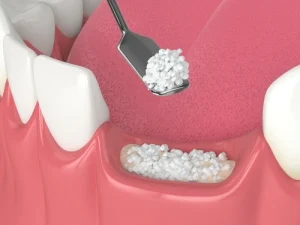 Healing after a dental bone graft happens in overlapping phases. The gum tissue heals first, usually within a few weeks. Deeper bone healing takes considerably longer, often three to six months or more.
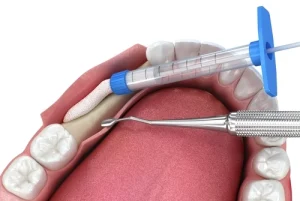 The fourth stage of dental bone graft healing involves the newly formed bone maturing and becoming denser. At the start of this phase, the bone that has formed is called woven bone. It is functional but relatively immature. Over the following months, the body remodels this into lamellar bone, which is denser and better organised, and better suited to bearing the load of a dental implant.
 A dental bone graft is a preparatory procedure, and how well it heals determines what comes next. The stages move at a biological pace that cannot be hurried, but they can be supported. Following aftercare instructions carefully, attending all follow-up appointments, and maintaining good oral hygiene and nutrition throughout the recovery period gives the graft the best conditions in which to integrate successfully.
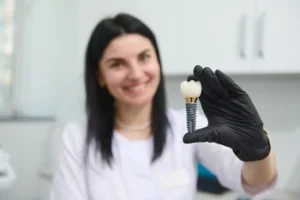 After a dental implant is placed, the area around the implant site is actively recovering. Gum tissue needs time to heal from the surgical procedure, and the implant itself needs to fuse with the jawbone through a process called osseointegration. This takes time, and what you eat can either support or disrupt it.
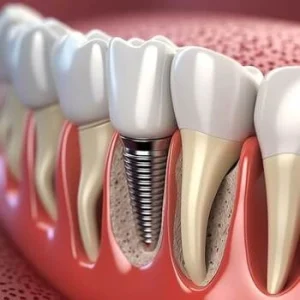 The duration of dietary restrictions after dental implant surgery varies between individuals. In general, a soft food diet is typically recommended for at least the first one to two weeks following the procedure. Those who have had multiple implants placed or who have undergone bone grafting as part of the process may need to follow dietary restrictions for a longer period.
 Nicotine causes blood vessels to narrow. This can:
 Quitting smoking before the surgical procedure allows:
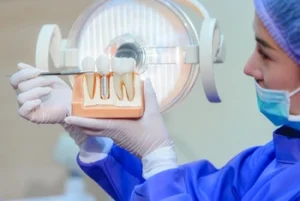 If you are concerned about light smoking after dental implant treatment, the appropriate approach is to avoid smoking during the healing period and ideally beyond.
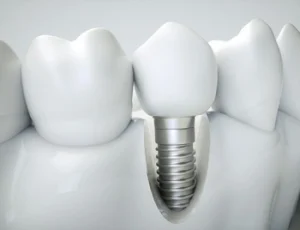 Bleeding That Persists Beyond Healing
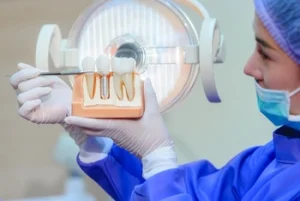 Early treatment focuses on reducing inflammation and stopping the spread of infection before deeper structures are affected. When concerns are addressed at this stage, the risk of bone loss may be reduced, and recovery tends to feel more predictable. Cleaning around the implant and adjusting care routines can help stabilise the area during this phase. Early intervention supports recovery, which is why timing matters.
 Dental implants’ safe outcomes depend on attention, timing, and proper care. Recognising early signs, understanding risk factors, and seeking early treatment reduce the chance of implant failure and more serious complications if left untreated. Managing infection promptly protects surrounding tissues and supports long-term oral hygiene and oral health. If you notice changes such as gum irritation, persistent pain, or concerns around the implant, reach out for guidance. Call our
 Bangkok has become a hub for dental tourism, with dental clinics throughout the city offering a wide array of services at competitive prices. Dental implant bridges are a cost-effective solution for replacing multiple missing teeth, using fewer implants to support a bridge for several adjacent missing teeth. The options seem endless, from tooth extraction to zirconia crowns and bridges.
 Australia is known for its strict regulatory standards across the healthcare sector, including dental implant treatments. When undergoing dental implant surgery in Australia, you can rest assured that the clinics, practitioners, and materials used are all subject to rigorous quality control measures. Australian dental clinics follow strict hygiene protocols, use high-quality dental implant posts and implant crowns, and adhere to world-class standards of care.
 In the end, whether you’re missing one tooth or multiple teeth, choosing to get your dental implants in Australia offers peace of mind, knowing that you’re receiving the best possible care tailored to your unique needs.

 When it comes to your health, quality and safety should never be compromised. Australian dental clinics adhere to stringent hygiene and safety protocols to ensure every procedure is carried out in a clean and controlled environment. This reduces the risk of infection and other complications, providing peace of mind for patients.
 While the initial dental implant cost in Australia can be higher than in countries like Vietnam, it’s important to consider the long-term value. Dental implants offer a