

Losing teeth can affect how the mouth feels, how food is chewed, and how confident someone feels when speaking or smiling. For people missing a few teeth, there are several denture options available. One option that often raises questions is flexible partial dentures.
This guide explains what flexible dentures are, how they differ from traditional dentures, who they may suit, and what to expect over time. The aim is to provide clear, practical information so patients can understand whether flexible dentures may be appropriate for their needs.
What Are Flexible Dentures?
Flexible dentures are a type of partial denture made from a soft, bendable material rather than rigid acrylic or metal. They are designed to replace a few missing teeth while fitting closely around the remaining natural teeth and gums.
Flexible dentures are most commonly used for partial tooth replacement, not full dentures. They are shaped to sit snugly against the patient’s gums and follow the natural contours of the mouth.
Unlike traditional dentures, flexible dentures tend to adapt more easily to movement in the mouth, which can improve comfort for some patients.
How Flexible Dentures Differ From Traditional Dentures
Traditional dentures, also called conventional dentures, are usually made from acrylic or metal frameworks. These materials are firm and rely on visible metal clasps or rigid structures to stay in place.
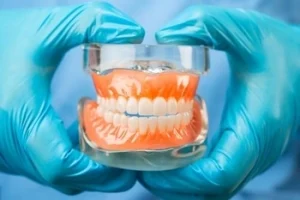 Flexible dentures differ in several ways:
- They are made from thermoplastic materials rather than acrylic or metal.
- They do not require metal clasps to secure the denture.
- They are lightweight and bend slightly under pressure.
- They often blend more naturally with the gums.
Unlike traditional dentures, flexible dentures stay in place by using their snug fit and flexible material rather than relying on metal attachments.
Materials Used in Flexible Dentures
Flexible dentures are made using nylon-based materials or similar flexible resin compounds. These denture materials are designed to be strong while remaining soft enough to flex slightly during use.
Key material features include:
- A flexible resin base
- Natural colour designed to match the gums
- Metal-free construction
- A smooth surface that reduces sharp pressure points
Because flexible dentures are metal-free, they are sometimes considered by patients with metal allergies or sensitivity to traditional denture materials.
Who Flexible Dentures May Be Suitable For
Flexible dentures may suit people who:
- Are missing a few teeth rather than a full arch.
- Have remaining teeth that can support a partial denture.
- Have sensitive gums.
- Prefer a denture without visible metal clasps.
- Want a more natural appearance.
Flexible dentures are not suitable for every situation. A dentist assesses the patient’s gums, remaining teeth, bite, and oral hygiene before recommending this option.
Benefits of Flexible Dentures
There are several potential benefits of flexible dentures, particularly for partial denture wearers.
Improved Comfort
Because the flexible material moves slightly with the mouth, many patients find that these dentures feel gentler on the gums compared to rigid dentures.
Natural Appearance
Flexible dentures are designed to follow natural contours and use gum-coloured materials, which can make them more aesthetically pleasing. There are no visible metal clasps around the teeth.
Snug Fit Without Adhesives
Most flexible dentures stay secure through their close fit and flexible design. In many cases, they do not require adhesives to remain in place during normal activities.
Lightweight Design
Flexible dentures are lighter than traditional acrylic dentures, which some patients find easier to wear for longer periods.
Disadvantages of Flexible Dentures
While there are numerous benefits, there are also disadvantages of flexible dentures to consider.
Limited Repair Options
Flexible dentures cannot be easily adjusted or repaired once damaged. If they crack or lose shape, replacement may be required.
Not Suitable for Full Dentures
Flexible dentures are generally used for partial dentures only. They are not designed to support full dentures or large spans of missing teeth.
Cleaning Requires Care
Flexible dentures require regular cleaning using appropriate methods. Harsh cleaners or hot water can damage the flexible material.
May Not Suit All Bites
In some cases, rigid dentures provide better long-term support, especially when many teeth are missing or bite forces are high.
How Long Do Flexible Dentures Last?
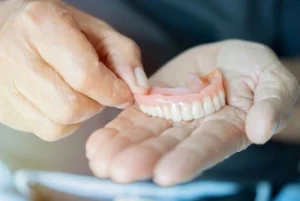 How long flexible dentures last depends on several factors, including wear habits, oral hygiene, and how well they are cared for.
On average, flexible dentures may last several years with proper care. However, flexible dentures last differently for each patient due to variations in bite pressure, gum shape, and daily use.
Regular dental reviews allow a dentist to monitor fit and function over time.
Caring for Flexible Dentures
Proper care plays an important role in comfort and longevity.
Daily care includes:
- Removing the denture for cleaning.
- Using a recommended cleaning solution.
- Avoiding hot water, which can distort the material.
- Gently brushing the denture as advised.
Cleaning flexible dentures thoroughly helps reduce bacteria buildup and supports good oral hygiene. The patient’s gums should also be cleaned daily to maintain healthy tissues.
Flexible Dentures and Gum Health
Flexible dentures are often chosen for patients with sensitive gums because the soft material may reduce pressure points. However, poor cleaning habits can still lead to gum irritation over time.
Signs of irritation may include redness, soreness, or discomfort under the denture. Maintaining regular cleaning and attending dental reviews helps protect the patient’s gums.
Flexible Dentures Compared With Other Options
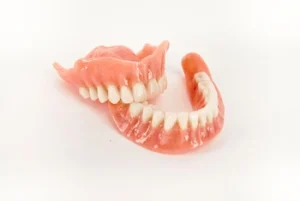 Flexible dentures are one of several traditional options available for partial tooth replacement.
Other options may include:
- Regular partial dentures made from acrylic or metal
- Metal dentures with metal frameworks
Each option has advantages and limitations. A dentist explains these differences clearly so patients can make informed choices based on comfort, durability, and oral health needs.
Manufacturing Process of Flexible Dentures
Flexible dentures are made using a specific manufacturing process. The flexible material is heated and shaped to fit precise impressions of the mouth.
This process allows the denture to fit closely around natural teeth and follow the natural contours of the gums. Because of this, flexible dentures tend to feel more customised than some traditional denture designs.
Oral Hygiene and Long-Term Care
Good oral hygiene remains important when wearing flexible dentures, as plaque and bacteria can still build up around the denture and remaining teeth.
Long-term care focuses on ensuring the denture continues to fit well and that the gums remain healthy as the mouth changes over time. This is typically managed through regular dental reviews, where fit, comfort, and gum condition are checked.
These measures help maintain comfort and reduce the risk of gum irritation over the long term.
Final Thoughts
Flexible dentures offer an alternative to rigid dentures for patients missing a few teeth. Their flexible material, metal-free design, and natural appearance make them appealing for many patients, particularly those with sensitive gums or concerns about visible clasps.
However, flexible dentures are not suitable for every situation. A dentist can assess oral health, explain the benefits and disadvantages clearly, and help determine whether flexible dentures are an appropriate option based on individual needs.
If you’re considering flexible dentures or want clear guidance on whether this option suits your oral health needs, you can book a consultation with us at Pearl Dental Care or call 02 9158 6312. Our team can explain your options in a clear, practical way and help you understand what may be appropriate for your situation.
Resources
Cleveland Clinic Staff (2023). ‘Dentures’. Cleveland Clinic, last reviewed 3 October. Cleveland, OH: Cleveland Clinic.
https://my.clevelandclinic.org/health/treatments/10900-dentures
Colgate Editorial Team (2023). ‘What Is Good Oral Hygiene?’. Colgate, 9 January. New York, NY: Colgate-Palmolive Company.
https://www.colgate.com/en-us/oral-health/adult-oral-care/what-is-good-oral-hygiene
Higuera, V. (2019). ‘Why Are My Gums Sensitive?’. Healthline, updated 20 June. San Francisco, CA: Healthline Media.
https://www.healthline.com/health/sensitive-gums