

When it comes to braces vs clear aligners, many patients feel torn between two effective yet very different approaches to orthodontic treatment. Both options aim to achieve correct alignment, improve bite issues, and enhance your smile. Yet the journey, experience, and lifestyle adjustments involved can vary significantly.
Choosing between traditional braces and clear aligners is not just about appearance. It is about understanding your orthodontic problems, your case complexity, your daily habits, and your long-term goals. With all the information available today, it can feel overwhelming. This guide will walk you through braces vs. clear aligners in a practical, clear, and easy-to-follow way.
Why Straightening Teeth Matters More Than You Think
A straighter smile is often associated with aesthetics, but the benefits go deeper. Proper alignment helps with brushing, supports good oral hygiene, reduces uneven wear, and may lower the risk of gum concerns.
Orthodontic treatment is not purely cosmetic. It can treat spacing, significant crowding, severe crowding, and bite issues that affect chewing and speech. Whether you are an adult exploring discreet options or a parent considering treatment for a child, understanding the best method for your situation is the first step.
What Are Traditional Braces and How Do They Work?
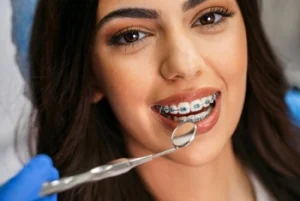
Traditional braces are a time-tested orthodontic treatment designed to gradually move teeth into correct alignment. They use a fixed system of brackets and wires to apply steady, controlled pressure that guides predictable tooth movement over time.
 The Structure Behind Traditional Braces
Traditional braces use traditional brackets attached to each tooth. These brackets are connected by metal wires that guide tooth movement over time. Small elastics are sometimes added to assist with bite correction.
Metal braces are fixed, meaning they cannot be removed. Once placed, they remain in the mouth until treatment is complete. Regular adjustment at each appointment allows the dentist to tighten wires and refine alignment.
How Tooth Movement Happens
The science behind braces is steady and controlled force. The metal wires apply pressure to the teeth, gradually shifting them into correct alignment. This process happens over months or sometimes years, depending on several factors, including case complexity and treatment duration.
Because braces are fixed, tooth movement is consistent. There is no reliance on patient compliance for daily wear time. This makes braces especially helpful in many cases involving severe crowding or complex cases.
What Are Clear Aligners and How Do They Work?
Clear aligners are a modern orthodontic treatment designed to gently move teeth into correct alignment using a series of custom-made, transparent trays. They offer a more discreet and flexible alternative to traditional braces, while still applying controlled pressure to guide gradual tooth movement over time.
The Basics of Clear Aligner Therapy
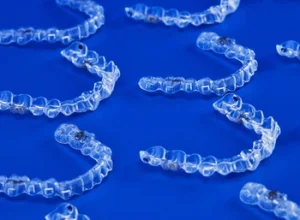
Clear aligners are custom-made, removable trays that fit snugly over the teeth. They are worn for most of the day and changed every few weeks as treatment progresses.
Clear aligner therapy uses a series of carefully designed trays to guide gradual tooth movement. Each aligner applies gentle pressure, similar to braces, but without metal wires or traditional brackets.
The Importance of Wear Time
Because aligners are removable, patient compliance becomes essential. Aligners must be worn for the recommended hours each day to achieve correct alignment. Reduced wear time can affect progress and extend treatment duration.
Clear aligners are often chosen for their discreet appearance. They are less noticeable than metal braces, which appeals to adults and teens concerned about aesthetics.
Braces vs Clear Aligners: What Is the Real Difference?
When comparing braces vs. clear aligners, it helps to consider the key factors involved.
 Appearance and Aesthetics
Metal braces are visible. Traditional brackets and wires can be noticeable when smiling or speaking. For some patients, this is not a concern. For others, especially adults in professional settings, a discreet option is preferred.
Clear aligners are transparent and fit closely over the teeth. While not completely invisible, they are generally less noticeable. Many patients choose aligners because they prefer a subtle approach.
Removable vs Fixed
Braces are fixed. You cannot remove them for eating or brushing.
Clear aligners can be taken out when needed, giving you greater flexibility during treatment. You can remove them for meals and while brushing your teeth, making daily routines easier to manage. However, this same flexibility requires strong compliance. If aligners are not worn as instructed, the treatment may not progress as planned.
Which Option Handles Complex Cases Better?
When it comes to managing complex cases, the answer depends on the severity of the orthodontic problems and the level of control required. Factors such as severe crowding, bite issues, and overall case complexity play a major role in determining which treatment option is most suitable.
Severe Crowding and Significant Bite Issues
In complex cases involving severe crowding, significant crowding, or major bite correction, traditional braces often remain the preferred treatment option. Their fixed design and precise control over metal wires allow dentists to treat a wide range of orthodontic problems.
Braces can also use elastics and additional tools to address complex bite issues effectively.
Moderate Cases and Mild Alignment Concerns
Clear aligners are highly effective for moderate cases and mild spacing or alignment concerns. Advances in clear aligner therapy have expanded what can be treated, and in many cases, aligners can manage moderate crowding and bite concerns successfully.
The decision depends on case complexity, your dentist’s assessment, and the goals of treatment.
Lifestyle Considerations: Eating, Speaking and Daily Habits
Orthodontic treatment does not happen in isolation. It becomes part of your daily routine, influencing how you eat, speak, brush, and navigate social or professional settings. Understanding how braces and aligners fit into your lifestyle can make the decision feel far more practical and personal.
Eating With Braces and Aligners
With braces, certain foods must be avoided. Hard or sticky foods can damage brackets and wires. Eating requires more care.
With clear aligners, you remove the trays before eating. There are fewer dietary restrictions, but aligners must be cleaned before being placed back in the mouth.
Oral Hygiene and Brushing
Braces require careful brushing around brackets and wires. Maintaining good oral hygiene can take more time and attention. Special brushes may be recommended.
Clear aligners simplify brushing. Since they are removable, you brush and floss as normal. However, aligners themselves must also be cleaned to maintain hygiene and avoid odour.
Both options require commitment to oral hygiene. Poor hygiene can affect treatment outcomes and overall dental health.
Discomfort and Adjustment Period
Both braces and clear aligners can cause temporary discomfort, particularly after adjustments or when switching to a new aligner.
With metal braces, soreness may occur after wire tightening appointments. Brackets can also irritate the inside of the mouth.
With aligners, pressure is often felt when starting a new tray. Some patients also notice minor speech changes during the first days.
In most cases, discomfort is manageable and temporary. The mouth adapts as treatment progresses.
Treatment Duration and Overall Cost
When comparing orthodontic treatment options, time and financial commitment are often key considerations. Understanding how treatment duration and overall cost vary between braces and clear aligners can help you set realistic expectations and plan with confidence.
How Long Does Treatment Take?
Treatment duration varies based on several factors. Case complexity, patient compliance, and the type of correction required all play a role.
In many cases, braces and clear aligners have similar timelines. Mild cases may take less time, while complex cases require longer treatment.
Understanding Cost Differences
The overall cost of braces vs clear aligners depends on the complexity of the case, the clinic, and the length of treatment. Clear aligners can sometimes cost slightly more due to the digital planning and custom manufacturing involved.
However, cost should not be the only deciding factor. The best method is one that suits your clinical needs and lifestyle.
Adults, Teens and Different Priorities
Many adults prefer clear aligners because they are discreet and fit easily into professional lifestyles. Aligners are less visible and can be removed for important events.
For younger patients, braces may offer greater reliability since they are fixed. Compliance can be challenging for teens who may forget to wear aligners consistently.
That said, many teens do successfully complete clear aligner therapy when motivated and supported.
How Compliance Affects Results
Patient compliance plays a major role in braces vs clear aligners outcomes.
With braces, progress does not depend on daily decision-making because they are fixed. With aligners, compliance affects tooth movement directly. Skipping wear time can delay correction and extend treatment.
Understanding your habits and lifestyle is crucial when deciding which option suits you best.
Progress and Regular Appointments
Regardless of the treatment option, regular appointment visits are essential. The dentist monitors alignment, adjusts the treatment plan if necessary, and ensures healthy progress.
With braces, adjustments often involve tightening metal wires or changing elastics.
With aligners, new trays are provided, and progress is assessed. Digital monitoring may also be part of the process in some clinics.
Braces vs Clear Aligners: What About Long-Term Results?
Both braces and clear aligners can achieve correct alignment and lasting results when used appropriately. Retainers are usually worn after treatment to maintain alignment.
The key to long-term success is not just the method chosen, but commitment during and after treatment.
Making the Right Choice for Your Smile
 When weighing braces vs clear aligners, consider these factors:
- Case complexity and whether severe crowding or complex bite issues are involved
- Your willingness to maintain strong patient compliance
- Lifestyle considerations such as eating habits and professional appearance
- Budget and overall cost
- Personal comfort with fixed or removable appliances
There is no universal answer in braces vs clear discussions. The right choice depends on your individual needs.
Final Thoughts on Braces vs Clear Aligners
Braces vs clear aligners is not about which option is better in general. It is about which treatment option suits your specific orthodontic problems, case complexity, and lifestyle.
Traditional braces offer reliability and precise control, particularly in complex cases involving significant crowding or bite issues. Clear aligners provide flexibility and a more discreet appearance, which many patients appreciate for professional and social reasons.
With guidance from an experienced dentist, you can review all the information, understand the factors involved, and decide with clarity. If you are considering orthodontic treatment, contact Pearl Dental Care on 02 9158 6312 to book a consultation and explore which option suits your needs. The goal remains the same. Achieve correct alignment, support good oral hygiene, and enjoy a healthy, confident smile for years to come.
References
American Association of Orthodontists. (n.d.). 7 common bite problems. Retrieved from https://aaoinfo.org/whats-trending/7-common-bite-problems/
Colgate. (n.d.). How to practice good oral hygiene with braces. Retrieved from https://www.colgate.com/en-us/oral-health/kids-oral-care/how-to-practice-oral-hygiene-with-braces
Cozzani, M. (2016). Oral hygiene compliance in orthodontic patients. PubMed Central. Retrieved from https://pmc.ncbi.nlm.nih.gov/articles/PMC5165014/
Cleveland Clinic. (n.d.). Teeth braces: Types and how they work. Retrieved from https://my.clevelandclinic.org/health/treatments/24601-teeth-braces