

Dental Implant Infection Signs and Early Warning Clues
Noticing possible dental implant infection signs can feel unsettling, especially when an implant was placed as part of replacing missing teeth to restore everyday function. A dental implant is designed to feel stable and predictable alongside natural teeth, yet changes around it can raise questions about healing and safety. Some signs appear early and quietly, while others develop with time if the area struggles to settle. Understanding what your body may be signalling helps you respond with clarity rather than worry.
Common and Early Signs of Dental Implant Infection
Changes around an implant often appear gradually, which is why paying attention to small shifts matters. You may notice sensations or visual differences that feel unfamiliar, even if the implant initially felt comfortable.
Gum Irritation Around the Implant
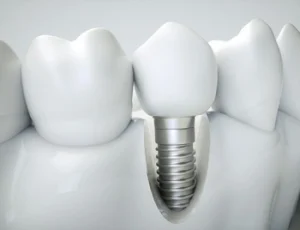
At first, irritation may show up as redness or tenderness in the gum tissue close to the implant. This can feel different from the mild sensitivity expected after implant placement. When the gums remain inflamed, it may signal early inflammation such as peri-implant mucositis. Over time, irritated gums can struggle to form a stable seal around the implant surface. That seal plays a role in protecting deeper structures.
 Bleeding That Persists Beyond Healing
Light bleeding can occur early in the healing process, but ongoing implant bleeding deserves attention. If you notice blood when brushing or flossing well after surgery, it may point to inflammation around the implant site. Bleeding suggests the tissues are under stress rather than settling. This can happen even when discomfort feels minimal. Persistent bleeding should not be ignored.
Unpleasant Taste That Does Not Fade
An unpleasant taste that lingers can feel confusing, especially when brushing feels thorough. This taste may be linked to bacterial activity around a dental implant. You might notice it more when eating or waking in the morning. Taste changes often accompany infection around deeper areas. When they persist, they deserve review.
Persistent Pain Near the Implant Area
Some soreness is expected after surgery, yet persistent pain feels different from normal recovery. Ongoing pain that does not ease can signal infection around the implant. This discomfort may appear dull, sharp, or pressure-based. It can interfere with chewing or resting your jaw. Pain that lingers should be assessed early.
Tenderness Felt Around the Implant Site
Tenderness when touching the area or biting down can be an early warning sign. The tissues around the implant site may feel sensitive even without visible swelling. This tenderness may reflect inflammation spreading into surrounding tissues. It often becomes more noticeable during daily activities. Paying attention to these sensations helps with early detection.
Movement Where the Implant Should Feel Firm
An implant should feel solid once healing progresses. A loose implant can suggest changes in how bone and tissue are supporting it. Movement may feel slight at first, yet it signals a deeper issue. Stability depends on the implant forming a stable foundation within bone. Any sense of movement should be reviewed promptly.
How a Dental Implant Infection Can Start
Infections rarely begin without a reason. Several pathways can affect how well an implant integrates and stays protected during recovery.
Bacterial Growth Along the Implant Surface
Bacterial infections can develop when plaque builds up along the implant surface. This often relates to oral hygiene habits over time. Bacteria can settle into small spaces that are difficult to clean thoroughly. Once established, they can irritate nearby tissues. This process may progress quietly at first.
Disruption During the Healing Process
Healing relies on steady blood flow and tissue adaptation. When the healing process is disrupted, tissues may struggle to bond closely around the implant. Reduced blood flow can limit the body’s ability to respond to irritation. This leaves the area more vulnerable to infection around deeper layers. Healing setbacks may not always feel obvious.
Challenges Linked to Implant Placement
Poor implant placement can affect how forces are distributed during chewing. When positioning is less ideal, stress can build around the implant. This may create small gaps where bacteria settle. Over time, these stresses can increase infection risk. Placement accuracy plays a role in long-term stability.
Factors That Increase the Risk of Implant Infection
Some influences make infections more likely, even when daily care feels consistent. Understanding risk factors helps explain why outcomes can differ.
Uncontrolled Diabetes and Healing Capacity
Uncontrolled diabetes can affect the body’s ability to heal. Blood sugar instability may slow tissue response and increase inflammation. This can reduce resistance to infection around implants. Healing may take longer than expected. Monitoring health conditions supports recovery.
Poor Oral Hygiene Over Time
Poor oral hygiene allows plaque and bacteria to accumulate. This buildup can irritate gums and compromise oral health. Over time, bacteria may spread around the implant. Consistent care reduces this risk. Small habits add up.
Teeth Grinding and Excessive Force
Teeth grinding places repeated pressure on implants. This force can stress the surrounding bone and gum tissue. Grinding may occur during sleep without awareness. Over time, pressure can weaken support structures. Managing grinding helps protect implants.
Medical History That Affects Recovery
Your medical history can influence how tissues respond after a surgical procedure. Certain medical conditions affect immune response and healing speed. These factors may increase susceptibility to infection. Sharing health concerns helps guide care decisions. Awareness supports early intervention.
Underlying Health Conditions That Limit Defence
Some underlying health conditions reduce the body’s ability to manage bacterial challenges. These conditions may affect circulation or inflammation control. Reduced defence can allow infection to progress more easily. Understanding health conditions supports tailored care.
How Dental Implant Infections Are Treated
Treatment depends on timing and severity. Early response often limits disruption, while advanced cases require more involved care.
Early Treatment Before Bone Loss Occurs
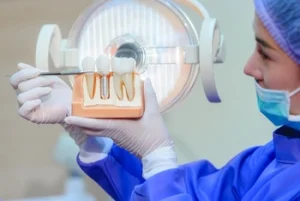 Early treatment focuses on reducing inflammation and stopping the spread of infection before deeper structures are affected. When concerns are addressed at this stage, the risk of bone loss may be reduced, and recovery tends to feel more predictable. Cleaning around the implant and adjusting care routines can help stabilise the area during this phase. Early intervention supports recovery, which is why timing matters.
Early treatment also helps preserve the surrounding gum tissue as healing progresses. Addressing concerns quickly often shortens recovery time and limits further intervention.
Cleaning and Managing Infection Around the Implant
Managing infection often involves targeted cleaning around the implant to reduce bacterial load, which may include professional cleaning alongside guidance on implant care at home. By lowering bacteria levels, tissue healing becomes more consistent and easier to monitor. Consistency improves outcomes and helps protect surrounding areas.
Cleaning focuses on areas that are difficult to reach during daily brushing, while ongoing monitoring helps confirm that inflammation continues to settle over time.
Surgical Intervention in Severe Cases
In severe cases, surgical intervention may be needed to access areas that cannot be managed through surface cleaning alone. This approach allows deeper infection to be addressed while protecting the remaining bone. Flap surgery makes thorough cleaning of infected tissues possible. Recovery varies depending on the extent of infection before treatment begins.
Surgical care is planned carefully to minimise disruption to healthy structures. Healing expectations depend on how far the infection has progressed before treatment begins.
When Implant Removal Becomes Necessary
In rare cases, implant removal is required. An infected implant may not be salvageable if support structures are compromised. Removal helps prevent further complications. After removal, options such as bone grafting may be considered. Decisions depend on lost bone structure and health status.
Removing the implant allows surrounding tissues to recover without ongoing irritation. Future replacement options are assessed only once healing is complete.
Supporting Healing After Infection Treatment
After treatment, focus shifts toward healing and restoring stability around the implant area. Regular dental visits and regular dental check ups help track recovery and identify concerns early. Maintaining good oral hygiene supports long-term success during this phase. Monitoring progress helps reinforce a stable foundation as tissues adapt.
Healing continues beyond the initial treatment phase and benefits from steady routines. Clear guidance helps you understand what changes to watch for during recovery.
Timely Review Supports Implant Health
 Dental implants’ safe outcomes depend on attention, timing, and proper care. Recognising early signs, understanding risk factors, and seeking early treatment reduce the chance of implant failure and more serious complications if left untreated. Managing infection promptly protects surrounding tissues and supports long-term oral hygiene and oral health. If you notice changes such as gum irritation, persistent pain, or concerns around the implant, reach out for guidance. Call our dental implants clinic in St Marys at 02 9158 6312 to arrange a review and discuss next steps.
Note: Any surgical or invasive procedure carries risks. Before proceeding, you should seek a second opinion from an appropriately qualified health practitioner.
References
https://www.fda.gov/medical-devices/dental-devices/dental-implants-what-you-should-know
https://pmc.ncbi.nlm.nih.gov/articles/PMC11506315/


 Control of Chronic Conditions