Dental care, especially involving procedures like dental implants, varies in cost across regions and practices. Understanding the cost of dental implants is vital for Australians pondering dental implant treatment. These implants, whether for multiple teeth or just a single tooth implant, provide a durable solution for missing or damaged teeth. Fixed into the jaw bone, these implants offer the feel and function of natural teeth, making them a preferred option over alternatives like dental bridges. But be prepared: the cost of dental can surge depending on the intricacy of the dental procedure, potential bone grafting, and the quality of materials chosen for the implant. Dental health is an investment, and considering the myriad of benefits implants provide, they’re often worth the expense.
What Are Dental Implants?
Dental implants have emerged as a leading dental treatment in Australia when addressing missing teeth or replacing poorly fitting dentures. Dental implants are titanium posts surgically positioned into the jaw bone beneath the gum line. Once in place, they provide a secure foundation for replacement teeth or bridges. These implants closely mimic natural teeth in terms of function and aesthetics. While undergoing the dental implant procedure, the dentist might also recommend bone grafting in cases where the jaw bone isn’t thick enough or is too soft. Various factors, including the dental practice and any additional procedures required, influence the cost of dental implants in Australia.
Benefits of Dental Implants
Navigating the array of dental treatments available today can be overwhelming, especially when considering solutions for missing teeth. Dental implants, while bearing an initial cost, offer benefits that make them a gold standard in modern dental care in Australia.
Diving into the durability aspect, dental implants boast unmatched longevity. Their sturdy nature comes from the biocompatible materials used in dental implant procedures, primarily titanium. This ensures they fuse effectively with the jaw bone, creating a bond that can last a lifetime. The long-term value becomes evident when you consider the longevity and juxtapose it against the cost of dental implants in Australia. These aren’t temporary fixes like some dental bridges but permanent solutions.
From an aesthetic perspective, dental implants shine brightly. They are meticulously designed to replicate the look and feel of natural teeth. Whether a single or full-mouth dental implant, the result is a beautiful, natural-looking smile. Gone are the days when dental treatments left discernible differences in the mouth; modern dental implant treatments ensure a seamless blend with your natural teeth.
Another significant advantage of dental implants is their ability to combat bone loss. The absence of a tooth can gradually lead to bone deterioration in the jaw, as it misses the stimulation that a tooth root provides. Dental implants act as an artificial tooth root, offering the necessary stimulation and preventing further bone loss. This is invaluable for maintaining facial structure and preventing the “sunken” appearance often accompanying significant bone loss.
On the front of comfort and convenience, dental implants are game-changers. They rid one of the common inconveniences associated with removable dentures or bridges. There’s no nightly removal, dietary restrictions, or slippage. Once the dental implant surgery is complete and healing has occurred, individuals can relish the joys of having teeth that feel natural.
While the cost of dental implants in Australia may be an essential factor, the plethora of benefits, from aesthetics to health implications, underscores their worth.
Factors Influencing the Cost of Dental Implants
The transformative impact of dental implants on individuals’ smiles and confidence is undeniably profound. However, understanding the cost variations is essential when considering dental implants in Australia.
The Type of Dental Implant
Whether replacing a missing tooth or aiming for a complete transformation with full-mouth dental implants, the type of implant will significantly determine the cost. A single dental implant will inevitably be more affordable than multiple tooth implants or a complete arch. Discover more.
Materials Utilised
The dental implant material can swing the price. The implant’s post, usually made of titanium, merges with the jawbone, while the crown could be made from various materials, each with its price tag. Choosing between ceramic dental implants, porcelain crowns, or other options can affect the final bill.
Procedure Complexity
At times, dental implant placement is a process that takes time. If there’s inadequate jaw bone to support the implant, bone grafting becomes essential. Similarly, a sinus lift may be needed for implants in the upper jaw. These supplementary procedures can heighten dental implant costs.
Geographic and Clinical Factors
Just as the cost of dental care varies depending on the location, so does the price of dental implants. Urban dental practices, especially those with a stellar reputation, might charge more than their counterparts in less densely populated regions.
Dentist’s Expertise
The hands performing the dental implant procedure are pivotal in determining the cost. An experienced dentist, well-versed in complex cases and known for impeccable results, might have higher fees.
Diagnostic Add-ons
The journey to getting dental implants might involve several diagnostic steps. Whether it’s a simple X-ray, a CT scan, or other evaluations, these preparatory steps can add to the overall cost of the dental implant treatment.
Average Costs in Australia
When embarking on restoring oral health with dental implants, Australians often seek clarity on the potential costs. Here’s a detailed insight into what one might expect:
Initial Consultation
The first step towards obtaining dental implants is a comprehensive evaluation. This consultation gauges the patient’s suitability and provides a roadmap for the treatment ahead. Australians can expect to pay around AUD 100 for this assessment.
Pre-procedure Diagnostics
Precision is crucial in dental implant procedures. Diagnostics, including X-rays or even detailed CT scans, offer a clear view of the oral structure. These crucial diagnostics generally can be around AUD 100.
The Implant Itself
Dental implants, made from biocompatible materials, act as an artificial tooth root. Depending on the type and brand, the implant price for a single implant in Australia might be around AUD 2,000.
Crown or Prosthetic
A dental crown or prosthetic completes the dental implant treatment, replicating the appearance of natural teeth. Depending on the material and intricacy, the price for this component can be around AUD 1,000.
Aftercare and Follow-ups
Regular follow-ups post the dental implant procedure are vital for long-term success. Generally, the cumulative cost for periodic checks over the year post-surgery can be around AUD 100.
Potential Additional Procedures
For some patients, supplementary procedures might be unavoidable. Treatments like bone grafting, essential for those with pronounced bone loss, can add around AUD 500 to the overall expenditure.
Cost Comparison: Australia vs. Other Countries
For those missing natural teeth, dental implants serve as an effective solution. However, the high cost of dental procedures has prompted many Australians to look beyond borders. Let’s compare the costs in Australia with India, Bali, and Thailand.
India
India’s dental care landscape is attracting global attention by offering a blend of quality and affordability. A dental implant procedure in India can cost as low as AUD 600 to 1,500, a fraction of Australian prices.
Bali
Beyond its scenic allure, Bali offers dental treatments at competitive rates. Here, the dental implant cost typically ranges between AUD 800-1,800. The appeal of coupling a vacation with dental care has heightened Bali’s popularity.
Thailand
A forerunner in medical tourism, Thailand offers dental treatments at top-tier clinics. A single dental implant in Thailand costs around AUD 900-2,000.
Why Australia is Better
The dental implants in Australia may have a heftier price tag, but the benefits are manifold. First and foremost, Australian dental practices adhere to stringent quality standards and regulations, ensuring patient safety and procedure efficacy. Moreover, complications, though rare, are easier to address when the dental practice is within reach. Dental health insurance benefits also often cover dental implants, softening the financial blow. While dental implant costs might be tempting overseas, quality assurance, ease of follow-ups, and familiarity with the healthcare system make Australia an appealing choice for many. The long-term oral health of a patient goes beyond just the initial implant price, and Australia’s comprehensive approach to dental care ensures that.
Health Insurance and Dental Implants
Dental implants have dramatically changed the oral health landscape, offering a durable solution for those with missing teeth. However, the cost of dental implants in Australia can be substantial, making many wonder if their health insurance might provide some financial relief.
Does Australian Health Insurance Cover Dental Implants?
The complexity surrounding this question lies in the variety of policies available. Not every dental insurance policy covers dental implant procedures. While some might offer partial coverage, particularly for dental implant surgery, others may exclude implants altogether. It’s essential to dive deep into your policy details.
Tips on Finding and Understanding Insurance Policies That Offer Coverage:
Policy Deliberation
Start by reviewing policies from various private health insurance companies. Seek those that cover dental treatments, including implants.
Wait it Out
Some policies have waiting periods for major dental procedures, including dental implants.
Limitations and Inclusions
While a policy might cover the cost of a single dental implant, additional treatments related to the procedure, like bone augmentation, might not be included.
Engage with the National Dental Fee Survey
This provides insights into the average costs of various dental procedures in Australia, allowing you to anticipate the potential financial burden.
Potential out-of-pocket expenses
Getting dental implants might come with varied costs, depending on individual needs. Factors like the type of implant, any preliminary dental treatments required (such as bone grafts for those with bone loss), and even the specific dental practice can play a role in the final bill. While dental insurance can cushion some of these expenses, knowing the potential out-of-pocket costs ensures you know the situation. Discussing and getting an upfront cost estimate from your dentist before embarking on the implant journey is always wise.
Payment Plans and Financing Options
Ensuring good oral health often involves procedures that can be quite expensive. Dental implants, a leading solution for replacing missing or damaged teeth, often have a substantial price tag. However, Australians today have a suite of payment and financing options to ensure these vital treatments are within reach.
Dental Clinics Offering Payment Plans
Realising the challenge that the cost of dental implants and other dental treatments can pose, many clinics have taken the initiative to offer flexible payment plans. Whether looking at a single dental implant, dental bridges, or even major dental treatments, these plans are designed to spread the cost, making it easier on your pocket.
Third-Party Financing Options Available for Dental Procedures
Third-party financing platforms step in for those seeking an alternative to in-house plans. Collaborating with dental practices, they provide loan options for various dental procedures, from basic tooth extraction to more complex procedures like multiple dental implants or cosmetic dentistry procedures.
The Pros and Cons of Different Financing Methods:
In-house Payment Plans:
Pros: Direct dealings with your trusted dental practice; often zero or low-interest rates for a set period.
Cons: Shorter duration for repayments; may only cover some treatments.
Third-party Financing:
Pros: Versatility to use across different dental clinics; longer repayment periods possible.
Cons: Potential for higher interest rates; approval might be contingent on credit history.
Navigating through dental care costs, especially when considering factors that affect prices, such as the choice between ceramic dental implants or other materials or the varying rates among dental practices, can be daunting. But with the right payment plan or financing option, maintaining optimal oral health becomes a feasible goal for many more Australians.
Tips to Save on Dental Implant Costs
Dental implants are one of the best solutions for replacing missing teeth, offering durability and a natural feel. However, understanding the landscape of dental implant costs, especially in Australia, can significantly affect your dental care expenditure.
Early and Regular Dental Check-Ups To Prevent Major Dental Issues
By prioritising your oral health with regular dental check-ups, you minimise the risks of facing major dental treatments in the future. These visits can help detect issues like gum disease or bone loss early, potentially saving you from needing more invasive procedures like bone grafting or sinus lifts later on.
Researching and Comparing Prices Across Multiple Clinics
There’s a wide spectrum of dental implant costs across different dental practices. Factors that affect the pricing include the specific dental implant material used, the dentist’s expertise, and the region. To get the best value for your money, it’s wise to research and compare prices. Resources like the National Dental Fee Survey can be invaluable in this process.
Taking Advantage of Promotional Offers or Discounts
Many dental practices periodically offer discounts on dental procedures, from basic tooth extraction to more complex dental implant treatments. Staying on the lookout for these promotions, or even negotiating a payment plan, can lead to substantial savings on your dental care.
Considering the Long-Term Benefits and Potential Cost Savings of Implants Compared To Other Dental Solutions
While the initial investment in dental implants might seem steep, especially when compared to dental bridges or dentures, the long-term benefits must be addressed. Dental implants, when properly maintained, can last a lifetime. In contrast, other solutions might require periodic replacements, adjustments, or associated dental procedures, leading to more costs over time. When you factor in dental implants’ comfort, functionality, and aesthetic appeal, they often prove to be a cost-effective solution in the long run.
Conclusion
In the vast domain of dental care, the choices one makes can leave a lasting impact on one’s health, appearance, and finances. This makes it paramount to base such decisions on thorough research and comprehensive understanding. While the initial sticker shock associated with some procedures, like dental implants, might be daunting, it’s imperative to delve deeper and understand the broader picture.
The brilliance of dental implants lies not just in their immediate benefits but in their enduring value. Unlike many other dental solutions, dental implants offer unparalleled permanence. They mimic natural teeth in appearance and function, providing a solidity and reliability that’s hard to replicate. Their long-term advantages are profound, from reducing the risk of jaw bone loss to preserving the integrity of adjacent natural teeth. Over time, the initial expenditure on dental implants can be easily overshadowed by their longevity, their comfort, and the recurrent costs they save from potential future dental procedures.
Embracing the long-term perspective can dramatically shift how one perceives the cost of dental implants. They testify to the adage, “You get what you pay for.” With dental implants, you’re not just paying for a product but investing in a future of unhampered smiles, hearty laughter, and uninhibited confidence.
To fully grasp the potential and the promise of dental implants, a visit to Pearl Dental Care is highly recommended. Our seasoned professionals will guide you through the process, ensuring that your journey to dental wellness is smooth, informed, and rewarding. Call us on (02) 9158 6312!
Note: Any surgical or invasive procedure carries risks. Before proceeding, you should seek a second opinion from an appropriately qualified health practitioner.
Missing a tooth can cause problems beyond just appearance. Tooth loss can affect proper chewing and result in further oral health complications. Fortunately, dental implants provide a reliable solution for individuals who have lost teeth.
They closely resemble natural teeth and can last forever if you take good care of them. However, dental implants can be costly, and the pricing may vary depending on various factors. This blog will discuss these factors and give you an overview of how much a dental implant costs.
Overview of What Tooth Implants Are and Factors That Determine the Price
Tooth implants are a popular solution for individuals missing one or more teeth. These small posts are surgically placed into the jaw bone and act as a sturdy base for a replacement tooth or bridge.
However, when considering the cost of dental implants, it’s important to understand that the price can vary based on several factors. For example, if the jaw bone has deteriorated, patients may require a bone graft, which can also affect the final price.
Although the dental implant cost can seem high, it’s important to consider the long-lasting benefits of investing in a reliable tooth replacement solution. Here are the main factors impacting the price you must pay for the tooth implant.
The Type of Implant
Not all implants are created equal, and the type of implant used can affect the price. A single dental implant costs more than implant-supported bridges or dentures that require multiple implants. You may also choose between traditional implants or mini implants, which are less expensive and require less invasive dental implant surgery.
The Material Used
Dental implants come in titanium or zirconium options, both highly durable materials that integrate well with the jawbone. However, zirconium is a newer and more expensive material and may not be covered by some insurance plans.
The Location of the Implant
The location of the dental implant also affects its price. Implants in the front of the mouth, where they are more visible, usually cost more than those in the back of the mouth. This is because the front implants require more customisation, and the treatment may take longer.
The Dentist’s Qualifications
The dentist’s experience and qualifications also affect the cost of a tooth implant. An experienced dentist may charge more, but they are more likely to produce satisfactory results. It is essential to do your research and choose a dentist who can guarantee quality and long-lasting results.
Dental Insurance Coverage
Insurance coverage is one of the most critical factors in the cost of dental implants. Some insurance plans may cover part of the cost of the implants and the crown, while others may not. Check with your insurance provider to find out what procedures they cover.
Different Types of Dental Implants Available and What Each Entails
Dental implants are a highly sought solution for patients wanting to replace missing teeth or improve their smile. Different types of dental implants are available, each with unique features.
One option is ceramic dental implants made of zirconia which offer a natural-looking alternative to traditional metal implants. The titanium implant is another popular choice for its strength and durability.
An implant-supported bridge may be the best solution for those missing multiple teeth. This involves several implants supporting a bridge of multiple teeth, creating a more stable and long-lasting option. With all the different types of dental implants available, it’s important to speak with your dentist to find the option that best fits your needs.
The Advantages of Getting a Tooth Implant Over Other Restorative Treatments
Patients who have experienced poorly fitting dentures or dental bridges can attest to the discomfort and inconvenience of having fake teeth. Unlike these restorative dental treatments, tooth implants mimic natural teeth in appearance, functionality, and comfort.
With proper dental care and maintenance, tooth implants can last a lifetime. This means that patients don’t need to worry about replacing them every few years, decreasing costs in the long run.
Additionally, tooth implants stimulate the natural bone growth in the jaw, preventing bone loss and maintaining facial structure. While partial dentures and dental bridges have their own benefits, tooth implants offer a superior solution for those looking for a permanent and natural restoration of their smile.
Potential Risks Associated With Getting a Tooth Implant
The most common complication caused by dental implants is infection. The gum tissue and bone are cut to make way for the post during the implant procedure. This can make an opening for bacteria to enter, which can cause an infection.
Signs of infection are redness, swelling, warmth, and pain around the implant site. The dentist will usually prescribe antibiotics to prevent the infection from spreading.
Nerve Damage
The tooth’s location being replaced can be very close to a nerve in some cases. During the implant procedure, if the dentist accidentally touches or injures this nerve, it can cause nerve damage.
This can result in tingling, numbness, or pain in the mouth, lips, or tongue. Usually, the nerve will recover on its own within a few months, but in some cases, the damage can be permanent.
Implant Failure
Dental implants are usually very successful, with a success rate of about 95%. However, in some cases, the implant can fail. This is when the implant doesn’t fuse properly with the jawbone or when the bone around the implant deteriorates. This can result in movement or a lack of support for the implant. If the implant fails, it might need to be removed and replaced.
Allergic Reaction
In rare cases, some patients might have an allergic reaction to the materials used in the implant. The implant post is usually made of titanium or a titanium alloy, and the dental crown is usually made of porcelain or ceramic. If you have a metal allergy, then you should inform your dentist before the procedure.
Bone Loss
You may experience bone loss around the tooth implant. This can be caused by several factors, including poor oral hygiene, gum disease, or bruxism (teeth grinding). If you notice any changes in how the implant feels, you should contact your dentist immediately.
Factors Contributing to the Dental Implants Cost
The cost of dental work can often seem daunting – especially when it comes to full-mouth dental implants. However, it’s important to note that several aspects can influence dental implants cost – such as:
The location of the implant in the mouth
The type of implant used
Whether or not the implant is being used to support a bridge
Typically, a single tooth implant cost starts from, while an implant-supported bridge can cost considerably more. Despite these costs, investing in dental implants can be wise for those looking to improve their oral health and maintain a natural-looking smile.
Preparation Required for a Dental Implant Procedure
Missing or damaged teeth can be a hassle, making it difficult to eat and speak confidently. Luckily, there is a dental treatment that can help: teeth implants. However, preparing for a dental procedure can be daunting.
To ensure the process goes smoothly, there are a few things you can do beforehand. Firstly, speak with your dentist or oral surgeon to discuss the procedure and any concerns you may have.
Secondly, maintain good oral hygiene before receiving the implant, paying extra attention to the surrounding teeth and gums. Lastly, following the procedure, stick to a soft diet and avoid smoking to help the healing process.
By taking the right steps before and after the dental implant treatment, you can be well on your way to enjoying your new, fully functional smile.
What Happens During The Dental Implant Procedure?
The dental implant procedure has become more popular in recent years to replace missing teeth. Unlike conventional dentures or bridges, which may come loose or require special care, implants are a permanent solution to tooth loss.
The process involves installing an artificial tooth root into the jawbone that will eventually fuse with the bone to create a secure base for a replacement tooth. Sometimes, a sinus lift may be necessary to create enough space in the jawbone.
Once the dental implant placement is completed, the gum tissue must heal before an artificial tooth is attached.
With proper care, dental implants can last forever and provide patients with a natural-looking and functional solution to missing teeth.
Recovery Tips After Undergoing the Dental Implant Procedure
Undergoing a dental implant procedure can be a significant step towards achieving a beautiful and healthy smile. However, taking care of the implants after the procedure is equally important.
Several factors affect the recovery process, and awareness of them is crucial. Proper oral hygiene is crucial, especially for remaining natural teeth, as it can reduce the risk of infection and other dental issues.
Avoiding major dental procedures during the initial healing phase is also advisable, as they may interfere with the implant’s integration into the jawbone.
In addition, staying hydrated, eating a healthy diet, and getting adequate rest can promote oral health and aid in recovery.
Tips for Finding an Affordable but Quality Tooth Implant Provider
Losing a tooth is never fun, but luckily, tooth replacement through implants is a viable solution. However, finding an affordable yet high-quality implant provider can be daunting.
It’s highly recommended to research potential providers thoroughly and ask for recommendations from trusted friends or family members. Additionally, don’t forget to check if your dental insurance plan covers dental implants or offers dental health insurance benefits that could help lessen the financial burden.
It’s important to prioritise the provider’s quality of care and expertise to ensure a successful tooth replacement that will last for years to come.
Common Misconceptions About Tooth Implants
One of the most common misconceptions about tooth implants is that they are a dental procedure exclusively for older people. Regardless of age, anyone who needs a tooth replacement can benefit from an implant procedure.
Another misconception surrounds the idea that fake teeth will look too obvious or will be uncomfortable to wear. However, dental implants are designed to look and feel just like real teeth- they blend seamlessly with the surrounding teeth and are customised to replicate your natural teeth.
It’s important to debunk these misconceptions and to seek the right information about dental implants- it’s a reliable and long-lasting solution for many types of tooth loss.
In Conclusion
By now, you should have a clear understanding of the many aspects of getting a dental implant; the cost, different types, advantages, risks, and the procedure involved.
As you consider options for restoring your smile, remember that many dentists experienced in implant dentistry can provide quality dental implants without breaking your budget. Furthermore, finding a reputable dental provider who can properly assess your needs and let you know if a dental implant is right for you is important.
With all this information, you can better decide what dental treatment is best for you. Therefore, make sure to do the necessary research around costs and providers so that you can be confident with your choice.
If you think tooth implants are right for you, don’t wait any longer and set up an appointment today with Pearl Dental Care! Rebranded as Pearl Dental Care, we provide top-notch dental treatments to our patients, stressing customer care and satisfaction. Call us at (02) 9158 6312 for more information.
Note: Any surgical or invasive procedure carries risks. Before proceeding, you should seek a second opinion from an appropriately qualified health practitioner.
If you’re considering dental implants, but feel anxious about the procedure, rest assured – dental implant placement has been a common and successful form of tooth replacement for decades, owing to the significant advances made in implant dentistry. Your implant will likely give you years of oral health and cosmetic benefits.
In this blog post, we’ll take a look at the entire process involved in getting dental implants – from consultation to installation – demystifying every step along the way so you can feel completely confident about your decision to replace one or more teeth with durable, attractive tooth replacements that are as close as possible to natural teeth.
What Is A Dental Implant?
A dental implant is a dental prosthetic used to replace roots in individuals with one or more missing teeth. Dental implants are placed within the jaw bone through a surgical procedure. An artificial tooth is then placed on the implant, replacing the missing tooth’s crown.
Tooth implants are a prevalent choice among individuals looking for a permanent solution for their missing tooth.
Dental implants can be seen in the form of a single implant where only one prosthetic tooth is placed in the mouth or full mouth rehabilitation. These implants prevent bone loss and keep the remaining natural teeth from going out of alignment.
Therefore while a single dental implant cost may be hefty, it gives you a run for your money.
Dental Implant Surgery
Dental implant treatment requires surgery through which the implant is inserted into the jaw. The process of getting dental implants is lengthy and based on multiple steps. Here is how you can expect your dental implant treatment to go.
Initial Consultation And Examination
The first step is to get a consultation with a dental specialist. They will need to take your medical history and a detailed account of your current oral and general health. These are the factors that will allow the dentist to determine whether an implant would be suitable for you or not.
The next step would be to comprehensively examine your oral cavity. This may include a visual examination along with impressions and X-rays. While the focus remains on the area where the implant has to be placed, other teeth are also examined to determine the exact oral health status.
Remember that any infection or oral cavity lesion must be resolved before getting an implant. Therefore, you might need to undergo a few other treatments before getting your implant.
Not everyone opting for dental implants require a CT scan before the implant process. However, there are a few cases where a CT scan may be required, such as for individuals with bone loss or other medical conditions compromising bone health. This allows dental specialists to get a better idea of the quality of the bone that they are working with.
Bone Grafting
Several medical conditions can lead to poor bone health and height in the jaw region. Gum disease (periodontal disease), smoking and a prolonged edentulous state are some conditions that can lead to a decline in bone health.
Bone grafts become a necessary step in such individuals. It is an added surgical process where a bone graft is placed at the implant site to promote bone growth. A bone graft takes about three to four months to heal. However, the process may take longer for individuals who have compromised healing.
Dental Implant Procedure
The traditional method of getting dental implants involved two separate surgeries. The time between these surgeries is usually around three to six months but can vary from individual to individual. Following are the steps involved in the dental implant procedure.
Gaining Access
Since the implant has to be placed into the jawbone, the oral surgeon needs access to the implant site, which is gained by incising the gum tissue above the area. Local anesthesia is administered in order to numb the region beforehand. The gum flap is then lifted for easy and uninterrupted access for implantation.
Implant And Healing Cap Placement
Next, a small hole is drilled into the healthy jaw bone, where the implant is screwed in. Once the implant is positioned where it needs to be, the gum flap raised earlier is put back into place and stitched. The sutures hold the gum in place and allow it to heal over time. Your surgeon may prescribe you pain medications to help manage the pain and discomfort.
The healing process takes about three to six months, during which the dental implant fuses with the surrounding bone. Once this time is over, another cut is made over the implant site to place a healing cap over the implant. Unlike tooth implants wholly embedded in the bone, the healing cap protrudes into the oral cavity. As the name suggests, this component promotes healing the tissues around the implant to optimise the process.
Abutment and Crown Placement
A few weeks after the cap placement, the implant is ready to be topped with an abutment and crown. The abutment is yet another part of the dental implant unit which allows the dental crowns or dental bridges to fit with it. Whether you get a single new tooth or a dental bridge depends upon how many teeth you are missing, to begin with.
Takeaway
Dental Implants serve as an ideal solution for replacing teeth in healthy individuals. From supporting artificial teeth to supporting the surrounding bone, they provide excellent functionality and great aesthetics. Our experienced and compassionate professionals at Pearl Dental Care can provide dental implants that will restore missing teeth and your smile confidence. Book your appointment with us or call us on (02) 9158 6312 today!
Note: Any surgical or invasive procedure carries risks. Before proceeding, you should seek a second opinion from an appropriately qualified health practitioner.
References
Everything to Know About a Dental Implant Procedure https://www.healthline.com/health/dental-and-oral-health/dental-implant-procedure
What to know about dental implants https://www.medicalnewstoday.com/articles/327515
If you’re thinking about having dental implants, you probably already know dental implants are a great choice of tooth replacement. Dental implants are artificial tooth roots placed below the gums’ surface and secured to the jawbone. This means they look and feel just like natural teeth, but it is a multi-stage process and takes a while to complete. So, just how long does the dental implant procedure take? It’s best to get an opinion from a dentist that offers consultation appointments, but we outline how each stage takes below.
The Dental Implant Procedure Stages
The dental implant procedure involves several vital stages that typically take several months to complete from start to finish. This involves the initial consultation and suitability assessment, the dental implant surgery and the completion of the implant procedure with the attachment of your new artificial tooth.
Initial Consultation and Suitability Assessment
Dental implants are one of the most sought-after treatments for replacing missing teeth. It’s easy to see why. They are robust, stable, and look and act like natural teeth. Furthermore, with reasonable care, they can last a lifetime. However, although popular, they are not suitable for everyone. There is meticulous planning involved in the process to determine whether you are ideal for the procedure, which will help ensure your implant’s longevity.
During the initial consultation, an examination of your mouth and jawbone will be conducted, and tests, such as x-rays and CT scans taken of your mouth. The dentist will ask about your goals from the treatment and your health history, as these can affect the suitability for dental implants. This part of the process typically takes between 1 and 2 hours.
Dental Health
It’s necessary to have a clean bill of oral health before you are considered for a dental implant procedure. If you have tooth decay or evidence of gum disease, these will both need to be treated before the implant treatment begins. The treatment also requires a viable, healthy jawbone to hold the implant. If you have bone loss in the jawbone, it may be challenging to place the implant. However, it is possible to have a bone graft to increase bone availability, a standard dental procedure for patients with dental implants.
General Health
Some medical conditions may make it more difficult for dental implants. Still, as each case is taken on its own merits, if you have diabetes, auto-immune disease, blood clotting disorder or other long-term health issues, you may be suitable for implants, depending on how well managed your condition is. However, your answer to ‘how long does the dental implant procedure take’ may be several months longer than someone without any health issues. Get a consultation at your local dental clinic to discuss whether your health problems may be a complication.
Smoking
The risk of implant failure in people who smoke is significantly greater than in non-smokers. We’re all aware of the damage smoking does to the body, but as the mouth is the first recipient of cigarette toxins, it can have far-reaching consequences for dental implants.
The implants are placed into the jawbone in a surgical procedure.
After surgery, the body requires good blood flow to transport nutrients to the wound site to help tissue repair and fight infection.
Smoking diminishes blood flow, putting this process at risk and increasing the risk of disease that may result in implant failure.
Furthermore, long-term smokers are more susceptible to gum disease that destroys the gum, bone and other tissues that support teeth. It can also lead to peri-implantitis—a similar condition that affects the tissue surrounding dental implants—eventually leading to implant failure.
Dental Implant Procedure Surgery
The dental implant procedure is performed in the dentist’s office—typically under a local anaesthetic. But, if you are anxious about the surgery, conscious sedation may be offered. This relaxes patients, so they are still aware of requests from the dentist to perform simple tasks, such as opening their mouths but are unlikely to remember anything. Many people feel as though they have been asleep when they have been awake through the whole procedure.
The procedure involves making a flap incision on the gum. This is so the dentist can access the jawbone. A hole is drilled in the bone, and the implant is placed. The implant is covered when the gum is stitched back into position and left to heal. During the healing process, osseointegration occurs— when the dental implants and jawbone fuse together, after which the artificial tooth can be attached.
How long does the dental implant procedure take to complete after surgery? Typically, osseointegration takes four to six months, but if you have had a bone graft, it could be as long as a year.
Attachment of Artificial Tooth
The final part of the dental implant procedure is completed once the artificial tooth is attached. This is a straightforward procedure performed in the dentist’s office under a local anaesthetic to numb the gum. A small cut is made to expose the implant, and the artificial tooth is attached using a connector (abutment) that joins them together. This part of the process takes less than an hour.
How Long Does The Dental Implant Procedure Take from Start to Finish?
To recap, the dental implant procedure generally takes four to six months from initial consultation to attachment of an artificial tooth. However, if you have health issues, it can take up to a year. Book a consultation near you to find out more about dental implants. Contact Pearl Dental Care in St Marys today.


 Another significant advantage of dental implants is their ability to combat bone loss. The absence of a tooth can gradually lead to bone deterioration in the jaw, as it misses the stimulation that a tooth root provides. Dental implants act as an artificial tooth root, offering the necessary stimulation and preventing further bone loss. This is invaluable for maintaining facial structure and preventing the “sunken” appearance often accompanying significant bone loss.
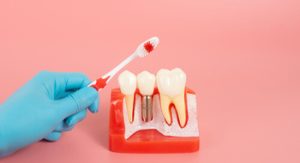 While the initial investment in dental implants might seem steep, especially when compared to dental bridges or dentures, the long-term benefits must be addressed. Dental implants, when properly maintained, can last a lifetime. In contrast, other solutions might require periodic replacements, adjustments, or associated dental procedures, leading to more costs over time. When you factor in dental implants’ comfort, functionality, and aesthetic appeal, they often prove to be a cost-effective solution in the long run.

 The process involves installing an artificial tooth root into the jawbone that will eventually fuse with the bone to create a secure base for a replacement tooth. Sometimes, a sinus lift may be necessary to create enough space in the jawbone.

 Tooth implants are a prevalent choice among individuals looking for a permanent solution for their missing tooth.
 Next, a small hole is drilled into the healthy jaw bone, where the implant is screwed in. Once the implant is positioned where it needs to be, the gum flap raised earlier is put back into place and stitched. The sutures hold the gum in place and allow it to heal over time. Your surgeon may prescribe you pain medications to help manage the pain and discomfort.
 The implants are placed into the jawbone in a surgical procedure.