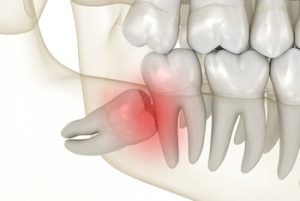
Tooth Filling Cost Breakdown: Factors That Influence What You Pay

Tooth Filling Cost Breakdown: Factors That Influence What You Pay

If you have been told you need a tooth filling, you might wonder about the cost and procedure. Understanding the tooth filling cost in Australia, the different types of filling materials, and what to expect can help you make proper decisions about your dental care. In this detailed guide, we will walk you through everything you need to know, all explained in a warm, professional, and easy-to-follow tone.

So, How Much Does a Tooth Filling Cost in Australia?

The starting cost of a tooth filling in Australia typically begins from around $150 AUD for a small, simple filling. However, the actual cost often varies depending on several factors, such as the filling material chosen, the cavity’s size, the affected tooth’s location, and the dentist’s expertise.

It is also important to remember that if you have private health insurance that covers basic dental services, you may be reimbursed for at least a portion of the cost.

What Is a Dental Filling and Why Does Your Tooth Need One?

A dental filling is a simple but powerful way to repair a tooth damaged by decay, cracks, or everyday wear. It is a common dental procedure in which a dentist carefully removes a tooth’s decayed or damaged portion and fills the space with a special filling material. This process restores the tooth’s shape, strength, and function while also protecting it from further decay.

tooth filling cost cavitiesYou might need a tooth filling if you have:

  • Cavities caused by acid-producing bacteria that erode your tooth enamel
  • Cracked teeth from injury or biting down on something hard
  • Teeth that have become worn over time due to habits such as grinding or biting nails

Without timely treatment, even a small cavity can grow larger, eventually leading to severe damage that may require a root canal, dental crowns, or even tooth extraction. Getting a filling early helps preserve your natural tooth, maintain the health of the surrounding teeth, and avoid more complex dental procedures down the track.

In short, tooth fillings are not just about fixing what is broken. They are about saving your smile, protecting your oral health, and preventing bigger (and more expensive) problems later on.

Why Do You Need a Tooth Filling?

Without timely treatment, a small cavity can lead to more serious problems, such as severe decay, infections, or even the need for a root canal or dental crown. Getting a filling helps safeguard the natural tooth structure, maintain the strength of the surrounding teeth, and preserve your natural teeth for as long as possible.

Choosing the Right Filling Material: What Are Your Options?

The chosen filling material is major in the final appearance, durability, and overall filling cost. Let us take a closer look at the most common filling materials used:

Composite Fillings (Tooth Coloured)

  • Made from a blend of composite resin and fine glass particles.
  • Designed to mimic your tooth colour for a natural look.
  • Ideal for front teeth or visible areas.
  • Starting cost: around $150 AUD.

Composite fillings attach securely to the tooth, helping to retain more of its natural structure.

Amalgam Fillings

  • It is made from a blend of metals, including silver, mercury, and tin.
  • Known for their strength and durability.
  • It is commonly used for back teeth where chewing pressure is high.
  • Starting cost: around $120 AUD.

While amalgam fillings are long-lasting, they are silver in colour and less aesthetically pleasing than tooth-coloured options.

Gold Fillings

  • Crafted from a gold alloy.
  • It is highly durable and can remain intact for several decades.
  • Higher in cost due to material expense and labour intensity.
  • Starting cost: approximately $600 AUD or more.

Gold fillings offer outstanding strength but are more noticeable than other options.

Porcelain Fillings (Ceramic Fillings)

  • Custom-made to match your natural tooth colour.
  • Very strong and resistant to staining.
  • Often used for large cavities or cosmetic restorations.
  • Starting cost: from around $800 AUD.

Porcelain fillings (sometimes called ceramic fillings) provide a beautiful, natural finish but are more expensive.

Glass Ionomer Fillings

  • Made from a combination of glass and acrylic.
  • Releases fluoride to help prevent decay.
  • Best suited for areas not under heavy chewing pressure.
  • Starting cost: approximately $150 AUD.

Glass ionomer fillings are commonly used for fillings near the gum line or for temporary restorations.

What Can Affect the Cost of Your Tooth Filling?

When it comes to tooth filling costs, you might notice that prices can vary quite a bit from one patient to another. That is because several important factors come into play when working out the final cost. Understanding these factors can give you clearer insight into what you are paying for and the reasons behind the cost.

Here are the key things that can influence the cost of your dental filling:

1. Size and Complexity of the Filling

Smaller cavities are quicker and easier to fill, which usually means a lower cost. Larger or more complex medium-sized fillings may require more work and more material, making them a bit pricier.

2. Type of Filling Material Used

Tooth Filling Cost kidThe chosen filling material has a big impact on the price. For example:

  • Composite fillings and glass ionomer fillings are affordable and natural-looking.
  • Amalgam fillings tend to be less expensive but are silver in colour.
  • Porcelain fillings and gold fillings offer excellent durability but come at a higher price.

Choosing the right filling material often depends on the tooth’s location, your budget, and your cosmetic preferences.

3. Location of the Affected Tooth

Fillings on front teeth can be simpler than those on molars, with stronger chewing forces. Molars might require more durable material and extra shaping to match your natural bite, which can increase the cost.

4. Dentist’s Experience and Expertise

A highly experienced dental professional might charge more, but they also bring greater skill and precision to the filling procedure. Choosing an experienced provider helps ensure the best long-term result for your natural teeth.

5. Geographical Location of the Dental Practice

Where you live matters too; dental fees can vary depending on whether the dental practice is in a major city, a suburban area, or a regional town.

6. Health Insurance Coverage

If you have private health insurance that includes basic dental services, it might cover at least a portion of your dental filling costs. Be sure to check the details of your insurance policy, including limits and waiting periods.

7. The Condition of the Tooth

The more damaged the affected tooth is, the more complex the tooth-filling dental procedure becomes. If decay is extensive or if the tooth’s structure needs rebuilding, additional work may be required, adding to the overall cost.

What to Expect During the Tooth Filling Dental Procedure

Understanding the filling procedure can ease any nerves you might have about the appointment. Here’s a quick breakdown:

  1. Local anaesthetic is administered to numb the area around the affected tooth.
  2. The dentist removes the decayed portion using a dental drill or laser.
  3. The prepared cavity is cleaned thoroughly to prevent infection.
  4. The filling material is placed into the cavity and shaped to match the tooth’s shape and bite.
  5. Once in place, the material is hardened, often with a special light.
  6. The dentist smooths and polishes the filling to create an even surface.

In many cases, all of this can be completed in a single dental appointment.

How to Take Care of Your Dental Fillings

With proper care, your tooth fillings can last for many years. Here are some tips to maintain them:

  • Practise good oral hygiene: Brush and floss daily.
  • Visit your dental professional regularly for check-ups and cleans.
  • Avoid biting hard objects (like ice or pens).
  • Limit sugary foods to help prevent decay.
  • Be cautious with cold foods if you notice sensitivity after the filling.
  • Report any cracks, discomfort, or roughness to your dentist immediately.

When Might You Need a Replacement?

Although fillings are strong, they do not last forever. You may eventually need a replacement if:

  • The filling becomes cracked or chipped.
  • There is new tooth decay around the filling.
  • The filling wears down due to chewing forces.

Your dentist will track the condition of your tooth fillings during routine appointments.


Does Health Insurance Cover Dental Fillings?

If you have private health insurance that covers basic dental services, it may help cover part of the dental filling cost. Many dental practices are BUPA and NIB preferred providers, and most accept all private health insurance funds.

For eligible families, some practices also bulk bill through the government-funded Child Dental Benefits Schedule (CDBS), making it easier for children to access important dental treatments like tooth fillings.

It is always a good idea to check your insurance policy to understand what is covered, any waiting periods that may apply, and how much you can claim for your dental procedures.

What Are Your Options If a Traditional Filling Is Not Enough?

In some cases, if the damage to the tooth is extensive, other treatment options might be recommended instead of a simple filling:

  • Dental crowns, to cover and protect a weakened tooth.
  • Root canal treatment, if decay has extended to the pulp.
  • Onlays or inlays are made from porcelain or composite materials.

Your dentist will recommend the most suitable option based on how much damage the tooth has sustained.

Why Taking Action Early Can Save Your Smile

Delaying a filling can turn a simple problem into a complicated one. Small cavities are quicker, easier, and cheaper to treat. Left untreated, they can lead to:

  • Extensive tooth damage.
  • Higher costs due to complex dental procedures.
  • Loss of the natural tooth.

Early action saves your tooth structure, maintains a healthier mouth, and avoids more extensive interventions later.

Final Thoughts: Your Smile Is Worth Protecting

Tooth Filling Cost checkWhile the tooth filling cost might seem like an unwelcome expense, think of it as an investment in your oral health and overall wellbeing. Whether you opt for composite fillings, amalgam fillings, gold fillings, or porcelain fillings, restoring the integrity of your natural teeth prevents bigger problems down the road.

Maintaining good oral hygiene, attending regular check-ups, and discussing treatment options with your dental professional will ensure your teeth remain strong, healthy, and beautiful for years to come.

If you suspect you need a filling or want more information about dental filling costs, do not hesitate to contact our St Marys dental practice at 02 9158 6312. A healthy smile is always worth it!

Note: Any surgical or invasive procedure carries risks. Before proceeding, you should seek a second opinion from an appropriately qualified health practitioner.

References

  • Healthdirect Australia. (n.d.). Root canal treatment. Healthdirect. https://www.healthdirect.gov.au/root-canal-treatment#:~:text=Resources%20and%20support-,What%20is%20a%20root%20canal%20treatment%3F,4%20canals%20containing%20dental%20pulp.
  • Cleveland Clinic. (n.d.). Dental fillings. Cleveland Clinic. https://my.clevelandclinic.org/health/treatments/17002-dental-fillings
  • U.S. Food and Drug Administration. (n.d.). Dental amalgam fillings. FDA. https://www.fda.gov/medical-devices/dental-devices/dental-amalgam-fillings
  • News Medical. (n.d.). The advantages of using glass ionomers in dentistry. News-Medical.net. https://www.news-medical.net/whitepaper/20180710/The-Advantages-of-Using-Glass-Ionomers-in-Dentistry.aspx

How Much Does Wisdom Teeth Removal Cost in Australia? Let’s Break It Down

How Much Does Wisdom Teeth Removal Cost in Australia? Let’s Break It Down

Wisdom teeth. Those elusive third molars seem to show up when you think you’re done with dental growing pains. While some people never have issues, others find themselves dealing with inflamed gums, wisdom teeth pain, or even needing all four wisdom teeth removed. If you’re in the latter group, you’re probably asking: how much does wisdom teeth removal cost in Australia?

This blog will help you understand the costs, what’s involved in the procedure, why removal is sometimes necessary, and how to prepare financially and physically.

First Things First: Why Do Wisdom Teeth Cause Problems?

Third molars, more commonly called wisdom teeth, typically erupt sometime between the ages of 17 and 25. For some lucky individuals, these teeth grow in without causing any trouble. However, for many others, wisdom teeth can lead to multiple oral health issues that require professional attention.

wisdom tooth pain impactedThey Often Don’t Have Enough Room to Grow
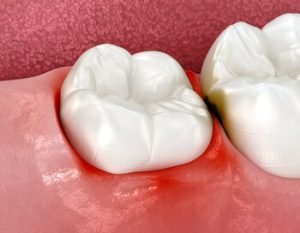
Most people simply don’t have enough space in their jaws to accommodate four extra molars. When wisdom teeth grow in a cramped space, they can push against nearby teeth, leading to overcrowding, misalignment, and discomfort.

They Can Become Impacted

An impacted wisdom tooth is one that doesn’t fully erupt through the gum. It might grow at an angle, sideways, or only partially break through the gum tissue. Impacted teeth are painful and difficult to clean, increasing the risk of gum disease, cavities, or infection.

They May Cause Damage to Other Teeth

When wisdom teeth press against neighbouring teeth, they can damage the roots or wear away enamel. This may require additional dental treatments beyond wisdom tooth extraction, like fillings or even root canals.

They Increase the Risk of Infection

Partially erupted wisdom teeth create pockets where bacteria can get trapped. This can lead to inflamed gums, bleeding gums, or painful infections. Cysts may sometimes develop, potentially damaging bone and surrounding structures.

They Can Compromise Overall Oral Health

Even if you’re not feeling pain right away, wisdom teeth can silently impact your oral health. Dentists often recommend proactive teeth removal to prevent problems before they start, especially if X-rays show your third molars are misaligned or crowding your smile.

What Happens During Wisdom Tooth Removal?

So, your dentist has recommended wisdom tooth extraction; now what? Being informed about the procedure can make you feel more at ease and better prepared, whether you’re removing a single tooth or all four.

The process varies depending on whether it’s a simple extraction or a more complex surgical wisdom tooth removal. Let’s walk through both types.

Simple Extraction: When the Tooth Has Fully Erupted

If your wisdom tooth has come through the gum completely and is in a good position, you may only need a simple tooth extraction. Here’s what typically happens:

  1. Initial consultation: Your dentist will examine your mouth, take X-rays, and assess how your wisdom teeth are growing. This helps determine whether a simple or surgical removal is needed.
  2. Local anaesthesia: A local anaesthetic numbs the area around the tooth so you feel some pressure but remain comfortable.
  3. Tooth removal: The dentist gently loosens the tooth using a dental tool and lifts it out. The procedure is usually quick and straightforward.
  4. Aftercare: A piece of gauze is placed over the extraction site to help control bleeding and support blood clot formation. You’ll be given post-op care instructions and possibly some pain medication.

Surgical Extraction: When Things Get a Bit More Complex

If your wisdom tooth is impacted, sitting below the gum line, or growing at an awkward angle, you’ll likely need a surgical extraction. This is usually performed by an expert dentist with experience in advanced surgical techniques.

Here’s what that might look like:

  1. Consultation and imaging: The dentist will assess the position of your impacted wisdom teeth using panoramic X-rays or 3D scans.
  2. Anaesthesia options:
    • Local anaesthetic for numbing the area.
    • Sedation for relaxation (common for nervous patients).
    • General anaesthesia if you’re having multiple teeth removed in a hospital setting.
  3. The procedure:
    • A small incision is made in the gum to reach the tooth.
    • In some cases, the surrounding bone may be carefully removed to allow better access.
    • The tooth may be sectioned into smaller pieces to make removal easier and safer.
    • After the tooth is taken out, the site is cleaned thoroughly and stitched if necessary to aid healing.
  4. Post-op care: After the procedure, you’ll rest in the clinic or recovery room until you’re cleared to go home. You’ll get detailed instructions for managing swelling, bleeding, and pain.

How Long Does Wisdom Tooth Removal Take?

  • Simple extraction: About 20 to 30 minutes per tooth.
  • Surgical wisdom tooth removal may take 45 minutes to over an hour, especially if multiple teeth are involved or general anaesthesia is used.

How to Know if You Need Surgical Removal

Not all wisdom teeth need to be removed surgically. During your initial consultation, your dentist will take X-rays to check how your third molars are growing.

You may require surgical procedures if:

  • The tooth is below the gum line or partially erupted
  • It’s growing sideways or pushing against other teeth
  • It’s impacted by bone or close to nerves

What to Expect After Wisdom Teeth Surgery

Post-surgery recovery varies depending on the complexity of the procedure and your own health. Here’s what’s typical:

  • Swelling and bleeding gums for 24 to 48 hours
  • Bruising or tenderness near the tooth extraction site
  • Eating only soft foods for a few days
  • A healing period of about a week

You’ll also be given pain medication, and your dentist will likely recommend avoiding strenuous activity, alcohol, and smoking while you heal.

Aftercare Tips: Healing Like a Pro

Here’s how to care for yourself after wisdom tooth extraction to support a smooth recovery:

  • Control bleeding: Bite down gently on gauze for 30–60 minutes to form a proper blood clot.
  • Reduce swelling: Place an ice pack on the cheek (15 minutes on, 15 minutes off) for the first 24 hours.
  • Eat soft foods: Stick to soups, mashed potatoes, yoghurt, and scrambled eggs for a few days.
  • Take pain medication: Follow your dentist’s instructions for over-the-counter or prescribed relief.
  • Keep it clean: Gently rinse with warm salt water after 24 hours; avoid brushing directly over the tooth extraction site.
  • Get plenty of rest: Limit physical activity for at least 48 hours after surgery.
  • Avoid smoking and alcohol: Both can delay healing and increase infection risk.
  • Watch for warning signs: Contact your dental clinic if you notice severe pain, swelling, fever, or unusual discharge.

Tips for Sleeping After Wisdom Teeth Removal

Getting good rest after wisdom teeth surgery is essential for healing, but it can be tricky when your mouth is sore. Here are a few helpful tips for a more comfortable recovery:

  • Elevate your head: Use two pillows or a wedge to prop your head up slightly while sleeping. This helps minimise swelling and prevents pressure on the tooth extraction site.
  • Sleep on your back: To prevent putting pressure on the extraction site, as lying on your side may worsen soreness and swelling.
  • Avoid sleeping flat: Lying flat may increase blood flow to the head, which can worsen bleeding gums and throbbing.
  • Follow your pain relief plan: Take your pain medication as prescribed before bed to help you stay comfortable throughout the night.
  • Keep gauze out: Remove gauze before sleeping to prevent choking risks unless your dentist specifically advises otherwise.

Following these tips can make a big difference in the first few nights after oral surgery.

When Can You Go Back to Work, School, or Exercise?

Knowing when it’s safe to resume your normal routine is a common concern after wisdom teeth removal. Here’s a general guide, depending on the type of procedure and your recovery:wisdom tooth pain infected

  • Desk work or study: You can usually return within 1–2 days, especially after a simple tooth extraction. Just be sure to rest and stay hydrated.
  • Light exercise: Walking or light movement may be resumed after 3–5 days, provided you’re not experiencing swelling or discomfort.
  • Heavy lifting or intense workouts: Wait at least 7 days. Strenuous activity too soon can disrupt healing and increase the risk of bleeding or dry socket.

Your dentist will give personalised guidance based on how your wisdom tooth removal procedure went. When in doubt, it’s best to err on the side of caution; a few days of rest can make a big difference in your healing.

Are There Risks Involved?

Like any common dental procedure, wisdom teeth removal carries some risks, although complications are rare when performed by an experienced dental professional. These may include:

  • Infection
  • Dry socket (loss of blood clot)
  • Nerve damage
  • Damage to nearby teeth
  • Prolonged bleeding

Contact your dentist immediately if you experience severe pain, inflamed gums, or fever after the procedure.

The Cost of Wisdom Teeth Removal: A Closer Look

Here’s where things get real. The cost of wisdom teeth removal varies significantly depending on several factors:

1. How Many Teeth Need to Be Removed

Removing one tooth is naturally cheaper than removing four wisdom teeth at once. However, some clinics offer a bundle price for multiple dental extractions in a single appointment.

2. Simple vs Surgical: What Does It Cost to Remove Wisdom Teeth?

The cost of wisdom teeth removal in Australia depends heavily on whether the procedure is straightforward or requires surgery. Here’s a quick look at the starting prices:

  • Simple tooth extraction starts from $200 per tooth. This applies when the wisdom tooth has fully erupted and can be removed easily without cutting into the gum.
  • Surgical extraction starts from $350 per tooth. This is needed when the tooth is partially erupted, impacted, or requires sectioning and removal of surrounding bone.
  • If you’re having wisdom teeth removal surgery under general anaesthesia in a hospital setting, prices typically start from $1,500, especially when multiple teeth need to be removed in one visit.

These are base estimates and can vary depending on the dental clinic, your location, and whether you’re covered by private health insurance. Always confirm what’s included in your quote during the initial consultation.

Worried About the Cost? Let’s Talk Financing Options

We understand that the cost of wisdom teeth removal can feel overwhelming, especially if you need all four wisdom teeth removed or require surgical procedures. The good news? There are several ways to make treatment more affordable without compromising on quality dental care.

Private Health Insurance Coverage

Many Australians use private health insurance with extra coverage to help offset the wisdom tooth removal cost. If your policy includes dental, you may be eligible for rebates on consultations, X-rays, extractions, anaesthesia, and follow-up visits. Some dental clinics are preferred providers by BUPA or NIB, which may result in higher rebates and lower out-of-pocket expenses for eligible patients.

Acceptance of All Major Health Funds

Most dental clinics across Australia accept claims from all major private health insurers. Claims can typically be processed on the spot, so patients only need to pay the gap amount not covered by their fund.

Flexible Payment Plans

In cases where insurance does not cover the full removal cost, some dental clinics offer flexible, interest-free payment plans. These options allow patients to pay for their wisdom tooth removal procedure over time, making it more manageable without delaying treatment.

What’s Typically Included in the Removal Cost?

When you ask for a quote from your dental office, it’s important to check what’s included:

  • Initial consultation and X-rays
  • Anaesthesia or sedation
  • The procedure itself (whether simple or surgical)
  • Post-op care and reviews

Wisdom Tooth Extraction Costs in Australia – City vs Regional

Location plays a role in the removal cost as well. In major cities like Sydney or Melbourne, prices may be on the higher end due to higher clinic operating costs. Rural and regional areas often offer more affordable options, though access to advanced facilities or oral surgery teams may be limited.

Why Getting Wisdom Teeth Removed Early Can Save You Money

It might sound counterintuitive, but removing your wisdom teeth early before they cause trouble can be cheaper and easier in the long run. When teeth are removed before they become impacted, surgical procedures may not be necessary. Plus, you reduce the risk of damage to neighbouring teeth, infections, or emergency teeth surgery later on.

When Should You See a Dentist About Wisdom Teeth?

If you’re experiencing any of the following, it’s time to book that initial consultation:

  • Wisdom teeth pain or swelling
  • Trouble opening your mouth
  • Persistent bleeding gums
  • Nearby teeth feel crowded or pressured
  • Signs of gum disease

Even if your wisdom teeth haven’t erupted, it’s a good idea to have them checked by a professional to assess whether preventative tooth extraction is recommended.


The Role of X-rays and 3D Imaging in Wisdom Tooth Diagnosis

Modern dental imaging plays a crucial role in accurately diagnosing issues with wisdom teeth, particularly when they are impacted or positioned close to sensitive structures. During your initial consultation, your dentist may take panoramic X-rays or use 3D imaging to assess your third molars in greater detail.

These scans help identify:

  • The exact angle and depth of the impacted wisdom teeth
  • How close the roots are to nerves or sinuses
  • Whether any neighbouring teeth are at risk of damage
  • Signs of infection, cysts, or bone loss

With this detailed view, your dental professional can determine whether a simple extraction will suffice or if surgical wisdom tooth removal is required. This technology reduces guesswork, improves outcomes, and helps your dentist plan a safe and efficient wisdom tooth removal procedure.

Wisdom Teeth and Age: Is There a Right Time to Remove Them?

Timing matters when it comes to wisdom teeth removal. While not everyone needs their third molars extracted, dentists often recommend removal during the late teens or early twenties, and for good reason.

Younger patients tend to have:

  • Softer bone tissue, making tooth extraction easier
  • Less complex root development
  • Faster healing and fewer complications after oral surgery

Leaving wisdom teeth too long can increase the risk of impaction, infections, and even damage to other teeth. The bone is denser in older adults, and recovery may take longer. Early intervention is often a proactive step to maintain long-term oral health and avoid more involved surgical procedures later.

Wisdom Teeth Removal and Orthodontic Treatment

Dental,Problems,,Toothache.,Portrait,Of,Unhappy,Woman,Touching,Cheek,,SufferingIf you’re planning to get braces or are currently wearing aligners, your dentist may suggest wisdom tooth removal. Why? As wisdom teeth grow, they can push against nearby teeth, potentially undoing months (or years) of orthodontic progress.

In some cases, impacted teeth remain hidden under the gums but still exert pressure on the dental arch. This can cause teeth to shift, become crowded, or misaligned. Even after orthodontic treatment is complete, erupting third molars can contribute to orthodontic relapse if they’re not monitored or removed.

For this reason, many orthodontic treatment plans include a wisdom tooth extraction evaluation, especially if the four wisdom teeth haven’t erupted yet or appear to be coming in at awkward angles.

Final Thoughts: Don’t Let Wisdom Teeth Catch You Off Guard

Getting your wisdom teeth removed can feel daunting, especially when you’re unsure about the cost. But with the right information, a trusted dental team, and proper aftercare, the process can be smooth and comfortable.

Whether you need one tooth out or all four wisdom teeth extracted, knowing what to expect and how to budget for it makes all the difference. Speak to your local dental office, ask about out of pocket expenses, and get clarity on the full wisdom tooth removal procedure before you proceed.

Your Oral Health is Worth It

Taking care of your oral health means more than just brushing and flossing. Sometimes, it means tackling those third molars head-on and making sure they don’t disrupt your smile or your well-being. If you’re ready to remove wisdom teeth and take the next step toward a healthier mouth, don’t wait. Get in touch with our modern dental practice in St Marys at 02 9158 6312 and explore your options today.

Note: Any surgical or invasive procedure carries risks. Before proceeding, you should seek a second opinion from an appropriately qualified health practitioner.

References

Mayo Clinic. (n.d.). Wisdom teeth: Symptoms and causes. Mayo Clinic. https://www.mayoclinic.org/diseases-conditions/wisdom-teeth/symptoms-causes/syc-20373808

Healthline. (n.d.). Dental anesthesia: Types, side effects, and more. https://www.healthline.com/health/dental-and-oral-health/dental-anesthesia

NHS. (n.d.). Orthodontics. https://www.nhs.uk/conditions/orthodontics/#:~:text=Orthodontics%20involves%20the%20use%20of,well%20as%20wearing%20a%20brace.

Cleveland Clinic. (n.d.). Dental X-rays. https://my.clevelandclinic.org/health/diagnostics/11199-dental-x-rays

Medical News Today. (n.d.). Eight effective home remedies for stopping bleeding. https://www.medicalnewstoday.com/articles/319433#raise-the-affected-area

MedlinePlus. (n.d.). Over-the-counter pain relievers. U.S. National Library of Medicine. https://medlineplus.gov/ency/article/002123.htm​

Dental Bridge Cost: What Determines the Price You Pay?

Dental Bridge Cost: What Determines the Price You Pay?

Restoring a missing tooth involves many considerations, and one of the most significant is cost. Dental bridge cost varies widely, depending on multiple factors that influence the final price. Some options may seem more affordable at first, but long-term durability and maintenance should also be taken into account. Have you ever wondered how different materials and procedures affect pricing? Making an informed decision ensures you get a durable solution that fits both your budget and dental needs. Understanding the costs involved helps you plan effectively and choose a solution that provides both function and aesthetics.


What Is a Dental Bridge?

Filling the spaces left by lost teeth is essential for maintaining balance in the mouth. Dental bridges provide a stable solution by using natural teeth for support. Whether replacing one or more teeth, they help restore function and prevent shifting. Designed to replace missing teeth, they contribute to a well-aligned smile.

What Is the Average Price for a Dental Bridge?

The tooth bridge cost in Australia generally starts at $1,500 per tooth. Scheduling a consultation with a dentist allows for a personalised cost estimate. They can examine your dental condition and advise on the most suitable option for your smile.

What Elements Influence the Cost of a Dental Bridge?

Dental Bridge Cost procedureChoice of Materials and Its Impact on Cost

The type of materials used for a bridge plays a major part in determining the dental bridge cost. Options such as porcelain, zirconia, and metal each come with different durability levels and price points. Porcelain blends well with natural teeth, while zirconia offers enhanced strength and longevity. Metal bridges may be more affordable but lack the natural appearance that some patients prefer. Weighing the benefits of each material can help in selecting the most suitable option.

Extent of Tooth Replacement

The overall bridge cost is influenced by the number of teeth being replaced. A single missing tooth may require a straightforward bridge, while multiple missing teeth could demand a longer or reinforced structure. More extensive restorations often involve additional materials and more complex procedures, increasing the total expense. The more teeth involved, the higher the overall cost of treatment.

Type of Bridge Selected

Different bridge types cater to specific dental needs and come with varying costs. A cantilever bridge is an option for cases where only one adjacent tooth is available for support, potentially reducing the price compared to other designs. Meanwhile, a traditional dental bridge relies on two neighbouring teeth for stability, which may lead to additional procedures, such as crown placement, increasing the expense. Selecting the right type of bridge depends on individual needs and existing oral health conditions.

Condition of Surrounding Teeth

Before a bridge is placed, the neighbouring teeth must be in good health to support the restoration. If the adjacent teeth require additional treatments like fillings, extractions, or root canal therapy, these procedures can add to the overall cost. In cases where the surrounding teeth are not strong enough, alternative solutions such as dental implants may be necessary, further influencing the final expenses.

Role of Dental Crowns in Pricing

For bridges that require support from adjacent teeth, the inclusion of dental crowns affects the overall cost. Crowns provide stability and improve aesthetics, but the type of crown chosen—ceramic, porcelain-fused-to-metal, or full metal—can alter the final pricing. Custom-made crowns designed to match the natural shade of teeth may be more expensive than standard options. The decision to include crowns should be based on both function and appearance.

Influence of Location and Practitioner Expertise

The cost of a dental bridge varies depending on where the procedure is performed. Clinics in metropolitan areas often have higher prices due to increased operational costs, whereas suburban or rural locations may offer more affordable rates. Additionally, a highly experienced dental professional may charge more for their expertise and precision. Choosing a dentist with a good reputation ensures quality treatment and long-lasting results.

Insurance Coverage and Payment Flexibility

Dental Bridge Cost implant supportedHealth insurance can help cover some of the costs, depending on the plan. Some policies include partial coverage, while others require patients to pay the full amount upfront. Understanding insurance benefits and available payment plans can make treatment more manageable. Checking the plan for coverage options can help prevent unexpected costs.

The total cost of a dental bridge is influenced by multiple factors, from materials and bridge type to additional treatments and location. Taking time to explore these elements allows patients to make informed financial decisions. Speaking with a dental professional helps create a plan that aligns with your individual requirements and budget.

What Steps Are Involved in the Dental Bridge Process?

Consultation and Initial Evaluation

Assessing the condition of existing teeth and surrounding oral structures is the first step in planning for a dental bridge treatment. A thorough examination determines whether the supporting teeth are strong enough to hold the restoration. X-rays or digital scans provide a clearer view of the alignment, bone density, and any potential concerns such as gum disease. If additional dental work is required before placing the bridge, such as treating decay or strengthening the supporting teeth, this will be addressed first. Once a customised plan is developed, patients are informed of the timeline and expectations for the procedure.

Reshaping the Supporting Teeth

To ensure the bridge fits securely, the adjacent teeth must be prepared to serve as anchors for the restoration. These abutment teeth are carefully reshaped by removing a small portion of the enamel, allowing space for dental crowns that will support the structure. This step is carried out with precision to maintain strength while creating the necessary foundation for stability. Any adjustments are made to ensure the bite remains natural and comfortable. Once reshaped, impressions are taken to guide the fabrication of the final restoration.

Taking Impressions for a Precise Fit

Creating an accurate mould of the prepared area is essential for a well-fitted bridge. A detailed impression of the reshaped teeth and the space for the false tooth is taken and sent to a dental lab. The materials used for the tooth bridge, such as porcelain or metal, are selected based on durability and the patient’s preference. During this phase, digital scanning technology may also be used to enhance precision. The completed bridge will be crafted to complement the hue and size of the surrounding teeth, ensuring a natural appearance.

Placement of a Temporary Restoration

While waiting for the custom-made tooth bridge, a temporary bridge is placed over the prepared teeth to protect them from sensitivity and external factors. This temporary solution maintains spacing and helps with basic functions such as chewing and speaking. Although not as durable as the permanent bridge, it provides an interim solution until the final restoration is ready. Patients are advised to be mindful of their diet and avoid foods that may cause damage or displacement.

Final Bridge Fitting and Adjustment

Once the custom bridge is ready, the temporary bridge is removed, and the new one is carefully positioned. The fit is checked, and any necessary refinements are made to ensure comfort and a natural bite. A strong adhesive secures the bridge in place, creating a long-lasting restoration. Patients may require a short adjustment period to get accustomed to the feel of their artificial teeth. Follow-up appointments help monitor the bridge’s stability and address any minor concerns.

Caring for Your Bridge for Long-Lasting Results

Maintaining the bridge requires good oral hygiene habits and routine dental visits. Brushing, flossing, and regular check-ups help preserve healthy teeth and prevent complications such as plaque buildup or irritation to the surrounding teeth. Avoiding excessive pressure on the bridge, such as chewing on hard objects, helps extend its longevity. Professional cleanings further support the success of the treatment, ensuring the bridge remains functional and aesthetically pleasing for years to come.

By following this structured approach, individuals can restore their smiles while maintaining comfort and functionality in their daily lives.

Book Your Consultation and Take the First Step

Dental Bridge Cost consultWhen it comes to dental treatment, the cost of a bridge is an important factor, but the long-term advantages make it a valuable investment. A well-placed bridge can replace a missing tooth, improving both function and appearance while preventing further complications. Each patient’s needs are different, and discussing the available options with an expert ensures you receive excellent care for your situation. Making an informed choice today can support your oral health for years to come. Our team is ready to assist you in selecting the most suitable solution, and if you’re seeking professional dentistry in St Marys, we’re here to help. Please call us at 02 9158 6312 to book a consultation and begin your journey toward a stronger, healthier smile.

References

https://my.clevelandclinic.org/health/treatments/10921-dental-bridges

https://www.news-medical.net/health/Dental-Bridge-Procedure.aspx

Clear Aligners vs Invisalign: Which One Fits Your Needs?

Clear Aligners vs Invisalign: Which One Fits Your Needs?

A straighter smile is possible with more than one option, but how do you choose? Some people prefer a flexible approach, while others want a structured plan. Clear aligners vs Invisalign may seem alike, but there are key differences that matter. One option gives you more freedom, while the other follows a guided process. Which one is better for your lifestyle? Understanding how they compare will help you find the best fit for your needs.

Clear Aligners vs Invisalign: What Makes Them Different?

Choosing between different aligners can be confusing, especially when options seem similar at first glance. Understanding what makes each type unique helps in deciding which one fits individual needs better.

Clear Aligners and Invisalign: Two Paths to Straighter Teeth

clear aligners vs invisalign setClear aligners and Invisalign aligners may look similar, but they follow different methods for adjusting teeth. Clear aligners come from various brands, each offering different levels of personalisation. Some options allow users to progress with fewer in-person visits, while Invisalign follows a detailed treatment plan supervised by a dentist. The way each aligner set is designed and replaced also varies, affecting how adjustments are made over time. While both options work to improve alignment, the structure of their treatment process determines how progress is monitored and managed.

Flexibility In Wearing And Adjustments

One of the advantages of clear aligners is the freedom they offer in how they are used. Since they are not tied to one treatment provider, people have more control over their choices. Some brands allow patients to follow the process with fewer visits to a clinic. In contrast, Invisalign follows a set plan with scheduled adjustments made by a professional. This level of flexibility can make clear aligners a more convenient option for some users.

Suitability For Different Dental Concerns

Clear aligners are a great option for mild to moderate issues, including small gaps or minor shifts. They provide an effective solution for those who do not require extensive corrections. Invisalign is often used for more detailed adjustments, especially when precise movements are needed. Cases involving teeth overlap or significant changes in alignment may require a more structured approach. The level of correction needed plays a big role in determining which option will be more effective.

Choosing Based On Individual Needs

Each person’s teeth are different, and the best choice depends on their alignment needs. While both options aim to correct misaligned teeth, clear aligners offer more choices in brands and pricing. Invisalign follows a more structured system, requiring a professional’s guidance at every step. For someone looking for a treatment that fits into their daily routine with fewer visits, clear aligners can be an easier option. Deciding on the right approach means considering both personal preferences and the level of correction needed.

Clear Aligners and Invisalign: What to Expect from Treatment

Straightening teeth can be done using different methods, and clear aligners have become a popular choice. Understanding how the treatment works can help in deciding which option is the right fit.

How The Invisalign Vs Clear Aligner Process Begins

The first step in treatment involves checking the current position of the teeth. A dentist takes digital scans or impressions to create a plan for how the teeth will shift. The images are used to design aligners that fit the patient’s mouth and guide movement. Once the plan is ready, a set of custom trays is made to follow the required adjustments. Each set of aligners is shaped to encourage gradual changes over time.

Using A Clear Aligner System For Teeth Movement

Clear aligners work by applying pressure in the right places to shift teeth step by step. Each aligner is worn for a set period before switching to the next one in the series. The small adjustments made with each tray help move teeth into their planned positions. Regular wear ensures that the system works as intended and keeps progress on track. Skipping trays or wearing them less than recommended may delay the expected outcome.

The Role Of Align Technology In Treatment Progress

Digital planning tools help map out each stage of the treatment. Align technology allows for precise movements by predicting how teeth should shift over time. The scans and software used in this process help create an accurate step-by-step guide. Adjustments can be made based on the patient’s progress to keep the alignment process moving forward. Tracking changes helps ensure that each movement happens as expected.

How A Treatment Plan Is Structured

A treatment plan outlines how long the process will take and what movements will occur. The duration depends on how much adjustment is needed and how well aligners are worn. Every few weeks, new trays are provided to match the progress being made. The plan helps keep each step organised and ensures a steady movement toward alignment. Following the plan correctly improves the chances of achieving the expected outcome.

Achieving A Straighter Smile With Clear Aligners And Invisalign

Both Invisalign and clear aligners work towards creating a straighter smile. Gradual shifts bring teeth into the desired position without the use of traditional braces. The process takes time, but each stage helps bring noticeable improvements. Aligners help fix alignment concerns such as crooked teeth by guiding them into place. A well-planned treatment provides long-term results that enhance both function and appearance.


Key Factors That Impact the Price of Clear Aligners vs Invisalign

The cost of clear aligners and Invisalign depends on various factors that affect treatment pricing. Understanding what influences the total expense can help in making an informed decision about teeth alignment.

Complexity Of Teeth Alignment Needs

The more adjustments required, the higher the overall cost of treatment. Minor spacing issues may need fewer aligners, while significant shifts take more time and resources. Cases involving jaw alignment or severe crowding may require additional steps. If teeth need precise movements, more customised aligners will be needed, increasing the total expense. A detailed assessment helps determine the number of aligners required and the overall cost.

Length Of Treatment Time

The duration of treatment impacts the total cost, as longer treatments require more aligners. Mild adjustments may take a few months, while complex cases can extend beyond a year. Each new set of aligners adds to the total cost, making longer treatments more expensive. Frequent adjustments and additional scans may be needed for longer treatments. Shorter treatment plans usually have a lower price due to fewer aligners being required.

Type Of Clear Aligner Used

Different brands of clear aligners come with varying pricing structures. Some brands focus on affordability, while others use advanced technology, leading to higher costs. Invisalign treatment follows a structured approach with in-clinic supervision, influencing pricing. Some aligners include additional features like digital tracking, which can add to the cost. Choosing between brands affects the total price, depending on their level of customisation and professional oversight.

Supervision And Dentist Involvement

The level of professional monitoring during treatment plays a role in pricing. In-person visits for adjustments and progress checks contribute to overall costs. Some clear aligners allow for remote monitoring, reducing the need for frequent clinic appointments. Treatments that require hands-on adjustments from a dentist tend to have higher costs. Choosing a fully supervised plan or a more flexible remote option influences the total price.

Material And Manufacturing Process

The quality of materials used in aligners impacts the overall pricing. Some aligners are made with advanced plastics that improve comfort and durability. More refined materials cost more due to their ability to maintain strength over time. The manufacturing process, including digital scanning and precision cutting, adds to the expense. Aligners designed for detailed adjustments require higher-quality materials, leading to increased costs.

Customisation And Treatment Planning

Each aligner set is designed to fit the patient’s unique dental structure. More personalised aligners cost more due to the level of detail involved. Treatments requiring additional modifications or special features increase pricing. The use of digital scanning to map out a precise plan adds to the total cost. Custom aligners that allow for finer adjustments usually come at a higher price.

clear aligners vs invisalign setEssential Care Tips for Clear Aligners

Wearing clear aligners and invisible braces requires proper care to keep them clean and effective. Following the right steps helps ensure that they stay comfortable and work as planned.

Keep Aligners Clean Every Day

Cleaning aligners regularly helps remove buildup and keeps them fresh. Rinsing them with lukewarm water after removing them prevents dryness and stains. A soft brush and mild soap can be used to clean them without scratching the surface. Avoid using toothpaste, as it may be too harsh and cause cloudiness. Keeping aligners clean ensures they remain clear and free from bacteria.

Store Aligners In A Protective Case

When aligners are not being worn, placing them in a case prevents damage and contamination. Leaving them exposed to air can lead to dust and bacteria settling on them. A secure case helps keep them in good condition and reduces the chance of losing them. Placing aligners in napkins or pockets increases the risk of misplacing them. Proper storage ensures they remain safe and ready for use.

Remove Aligners When Eating Or Drinking

Eating while wearing aligners can lead to food particles getting trapped, causing hygiene issues. Removing them before meals prevents damage and staining. Drinks other than water may leave marks or weaken the material over time. After eating, brushing before putting aligners back helps maintain good oral hygiene. Keeping aligners away from food and drinks ensures they last longer.

Brush And Floss Before Putting Aligners Back

Aligners fit snugly over the teeth, making it important to have a clean surface before wearing them. Brushing and flossing before reinserting them helps prevent food from getting trapped. Any leftover debris can increase the risk of plaque buildup and discomfort. A clean mouth also helps keep aligners fresh throughout the day. Practising good hygiene supports both oral health and treatment success.

Handle Aligners With Care To Avoid Damage

Aligners are made from a lightweight material that can be damaged if not handled properly. Bending or twisting them when removing can weaken their shape. Using the correct technique when taking them out helps prevent cracks. Washing them with lukewarm water instead of hot water avoids warping. Treating aligners gently ensures they stay in good condition throughout the orthodontic treatment.

Clear Aligners: A Smart Choice for a Confident Smile

clear aligners vs invisalign alignersClear aligners offer a simple and affordable way to improve your smile. Unlike Invisalign, they provide more flexibility, allowing you to progress without frequent visits. They are designed to be comfortable and easy to wear, making daily life smoother. Choosing clear aligners means getting high-quality treatment without paying extra for brand-specific options. If you want a treatment that fits your budget and lifestyle while delivering great results, clear aligners are a smart choice. They work effectively for many alignment concerns, helping you achieve a straighter smile with ease.

Unlike conventional metal braces or traditional braces, they provide a more discreet and comfortable way to achieve teeth straightening without fixed brackets or wires. With the right plan, you can see noticeable improvements without disrupting your routine. Our team is here to help you get started, and if you’re looking for local dental experts in St Marys, we’re ready to guide you through the process. Call us today at 02 9158 6312 to book a consultation and find out how clear aligners can work for you!

References

https://www.colgate.com/en-in/oral-health/adult-orthodontics/what-do-invisalign-braces-cost-are-they-worth-it-0113

https://pubmed.ncbi.nlm.nih.gov/30264270/

Wisdom Tooth Pain: Causes, Symptoms, And Treatment

Wisdom Tooth Pain: Causes, Symptoms, And Treatment

Do you have wisdom tooth pain? You’re not alone. Many people feel discomfort when their wisdom teeth start to grow. For some, they grow without any trouble. For others, they can cause pain, swelling, or other problems.

In this article, we’ll talk about why wisdom teeth can hurt, the symptoms to look out for, and how you can manage the pain. We’ll also share tips to help keep your mouth healthy. Let’s work together to make you feel better!

What Are Wisdom Teeth?

Wisdom teeth are the last adult teeth to grow in your mouth. They are also called third molars. Most people have four wisdom teeth—two in the top jaw and two in the bottom jaw. These teeth usually start to come in when you’re between 17 and 25 years old.

Not everyone gets wisdom teeth, and that’s okay! For some people, these teeth grow without any problems. But for others, wisdom teeth can come with pain or other issues. Let’s learn more about why this happens and what you can do.

Why Do Wisdom Teeth Cause Pain?

Wisdom teeth can sometimes hurt, and this happens for a few reasons. Let’s look at the main causes:

wisdom tooth pain impactionNot Enough Room In Your Jaw

Sometimes, there isn’t enough space in your mouth for wisdom teeth to come in. When this happens, the teeth may get stuck. Impacted wisdom teeth erupt at the wrong angle or stay trapped under the gums, which can be painful.

Pressure On Other Teeth

Wisdom teeth push against the teeth already in your mouth. This can cause a lot of pressure, making your other teeth feel sore or even move out of place.

Swollen And Sore Gums

Wisdom teeth that only partly come through the gums can cause swelling and redness. Food can get trapped around these teeth, which makes it easy for bacteria to grow. This can lead to pain and infection.

Cavities And Gum Problems

Because wisdom teeth are so far back in your mouth, they can be hard to clean. If plaque and food build up around them, you might start noticing cavities or gum disease, which can cause even more pain.

If you’re feeling pain in the back of your mouth, your wisdom teeth could be the reason. Keep reading to learn what you can do to feel better!

Common Symptoms Of Wisdom Tooth Pain

Knowing the signs of wisdom tooth pain is important so you can get the care you need. Here are some common symptoms to watch for:

  • Throbbing Pain: You might feel a pulsing or aching pain in the very back of your mouth.
  • Swollen Gums: Your gums could look red, puffy, or tender around the wisdom teeth.
  • Trouble Opening Your Mouth: It might be hard to open your mouth fully or chew your meals comfortably.
  • Jaw Pain: Your jaw could feel stiff, sore, or achy, especially near the back.
  • Bad Breath Or Taste: You might notice a bad smell or taste in your mouth.
  • Headaches Or Ear Pain: Sometimes, wisdom tooth pain spreads to your head or ears.

When Should You See A Dentist?

Not everyone has trouble with their third molars, but it’s important to see a dentist if:

  • You Have Severe Pain: Pain that won’t go away or feels very strong needs attention.
  • You Notice Signs Of Infection: Look out for pus, swelling, or a fever.
  • Your Mouth Or Face Is Swollen: Swelling in these areas is a sign that you should visit a dentist soon.
  • Your Teeth Look Different: Wisdom teeth can push your other teeth and cause changes.

Your dentist can take a mouth X-ray. This shows where your wisdom teeth are and helps them decide the best possible way to help you.

Managing Wisdom Tooth Pain At Home

If your wisdom teeth hurt, there are some easy things you can do at home to feel better. These simple remedies may help reduce the pain:

Salt Water Rinse

A warm salt water rinse can be very helpful. The salt helps to clean your mouth and reduce swelling. It also works as a natural disinfectant, which can help your gums feel better. To use it, just mix a small amount of salt in warm water and swish it in your mouth for a few seconds.

Ice Packs

Putting an ice pack on your jaw can help with swelling and pain. Wrap some ice in a towel or place a cold pack on the outside of your jaw for about 15-20 minutes. This can help numb the area and make you feel more comfortable.

Clove Oil

Clove oil is a natural way to ease pain. Its ingredients can reduce pain and swelling. To use it, put a small amount of clove oil on a cotton ball and gently put it near the sore spot in your mouth. It should help numb the pain for a little while.

Over-The-Counter Pain Relief

Over-the-counter medicines can help if the pain is bothering you. These medicines reduce pain and swelling. Be sure to follow the directions on the bottle to know how much to take and when.

These remedies can help you feel better while waiting for a dentist. If the pain doesn’t go away, make sure to visit a dentist for more help.

Professional Treatment For Wisdom Tooth Pain

Sometimes, home remedies aren’t enough to relieve wisdom tooth pain. If the pain is still there, a dentist can help. Here are some ways a dentist can treat wisdom tooth pain:

Wisdom Teeth Removal

If your wisdom teeth are causing you a lot of pain or problems, the dentist might suggest removing them. This is called wisdom teeth removal.

It’s a surgery that removes one or more wisdom teeth, especially if they are stuck or growing at the wrong angle. Removing them helps prevent more pain or problems later.

wisdom tooth pain infectedManaging Infections

If your wisdom tooth has an infection, it can make the pain worse. Dentists can manage the infection by giving you antibiotics.

These medicines help get rid of the bacteria causing the infection. After the infection is treated, the dentist will decide if removing the tooth is the best option.

Monitoring Wisdom Teeth

If your wisdom teeth aren’t causing any problems right now, the dentist will keep an eye on them.

Regular check-ups help dentists watch how your wisdom teeth are growing. By checking on them, the dentist can stop any big problems before they start.

Preventing Wisdom Tooth Pain

Even though you can’t always stop wisdom tooth pain from happening, you can take steps to lower the chance of problems. Keeping your mouth healthy is a great way to prevent pain and other issues with your wisdom teeth.

Here are some helpful tips to keep your teeth and gums in great shape:

  • Brush And Floss Regularly: Brushing your teeth twice a day and flossing once a day helps clean your teeth and gums. This removes food particles and plaque, which can help stop tooth decay and gum problems around your wisdom teeth.
  • Visit The Dentist Regularly: Going to the dentist for check-ups and cleanings is very important. Dentists can check your wisdom teeth and make sure they are growing properly. They can also clean hard-to-reach areas around your wisdom teeth to help prevent pain or infection.
  • Use Mouthwash: Using mouthwash with natural disinfectants can help keep your mouth clean. Mouthwash can reach places your toothbrush might miss, cleaning away germs and bacteria that can cause infections or pain in your wisdom teeth.

By following these tips, you can help prevent wisdom tooth pain and keep your smile healthy!


Frequently Asked Questions

Do all wisdom teeth need to be removed?

No, not everyone needs their wisdom teeth removed. If your wisdom teeth are healthy, growing straight, and not causing problems, they can stay. If they cause pain, infection, or other issues, your dentist might recommend removal.

What happens if I don’t treat impacted wisdom teeth?

If impacted wisdom teeth are not managed, they can lead to problems like infections, tooth decay, and damage to other surrounding teeth. It’s a good idea to visit your dentist so they can check your teeth and stop problems early.

Can wisdom teeth cause bad breath?

Yes, they can. If your wisdom teeth are hard to clean or only partly come out, food and germs can get trapped. This can make your breath smell bad. Brushing, flossing, and rinsing with mouthwash can help.

Can wisdom teeth cause sinus issues?

Sometimes, wisdom teeth in your upper jaw can press on your sinus area. This might cause pressure or a stuffy feeling.

Can wisdom tooth pain go away by itself?

Mild pain might stop if your wisdom teeth come in properly and there’s enough space in your mouth. But if the pain doesn’t go away or gets worse, see your dentist.

Can wisdom teeth cause problems even if they don’t hurt?

Yes, wisdom teeth can cause problems even if they don’t hurt. They might lead to gum infections, tooth decay, or damage to other teeth. Regular dental visits help your dentist check your wisdom teeth and stop problems before they start.

How long does wisdom tooth pain last?

Pain from wisdom teeth might last a few days or weeks if they are coming in normally. But if they are impacted or infected, the pain could last until you get treatment.

What should I do if my wisdom tooth pain keeps coming back?

If your pain doesn’t stop or keeps returning, it’s time to see your dentist. They can find out what’s wrong and help you feel better.

Are there risks with removing wisdom teeth?

Yes, there are some risks, like infection or swelling, but they don’t happen every day. Dentists are careful to make the procedure safe for you. If you’re worried, talk to your dentist about your concerns.

Conclusion

wisdom tooth pain impactedWisdom tooth pain is something many people deal with, and it can make your mouth and body feel uncomfortable. By learning what causes the pain, what signs to look for, and how to treat it, you can take steps to feel better and keep your smile healthy.

Simple home remedies might help, but sometimes you need a dentist’s care to fix the problem. Taking care of your teeth now can help you feel good for a long time. If your wisdom teeth are bothering you, talk to your dentist. They can give you advice and the care you need!

Do your wisdom teeth hurt? We’re here in St Marys to help! Our kind dental team can check your teeth, give you advice, and help you feel better.

Call Pearl Dental Care today at 02 9158 6312 to book a visit. Let’s take care of your smile together!

Note: Any surgical or invasive procedure carries risks. Before proceeding, you should seek a second opinion from an appropriately qualified health practitioner.

Sources

Australian Dental Association. Wisdom Teeth [Internet]. teeth.org.au. [cited 2025 Jan 17]. Available from: https://www.teeth.org.au/wisdom-teeth

Burch K. How To Know If You Need Your Wisdom Teeth Removed [Internet]. Business Insider. 2021 [cited 2025 Jan 17]. Available from: https://www.businessinsider.com/guides/health/dental/wisdom-teeth-removal

McPhillips A. Wisdom Teeth Removal: What Adults Should Expect [Internet]. WebMD. 2024 [cited 2025 Jan 17]. Available from: https://www.webmd.com/oral-health/wisdom-teeth-adult

Watson K. Remedies for Wisdom Teeth Pain Relief [Internet]. Healthline. 2024 [cited 2025 Jan 17]. Available from: https://www.healthline.com/health/wisdom-teeth-pain-relief

Burgess L. Ways to Relieve Painful Wisdom Teeth [Internet]. Medical News Today. 2024 [cited 2025 Jan 17]. Available from: https://www.medicalnewstoday.com/articles/319461