

If you are considering dental implant treatment or have recently had dental implant surgery, you may be wondering about light smoking after dental implant treatment. Many people ask whether cutting down is enough or whether smoking only occasionally will affect healing.
Smoking and dental implants do not work well together. Even light smoking can influence the healing process and long-term implant success. Understanding how smoking affects your body’s natural healing process can help you make informed decisions during recovery.
Why Healing Matters After Dental Implant Surgery
A dental implant procedure involves placing a titanium post into the jaw to act as a stable base for a replacement tooth. After implant placement, the surrounding bone tissue must heal and attach firmly to the implant. This process is known as successful implant integration.
The early stage is called the initial healing phase. During this time:
- A protective blood clot forms at the surgical site.
- Soft tissues begin to close over the area.
- Bone healing begins around the implant.
If this healing period is disrupted, the implant may not bond properly with the bone. This can increase the chance of dental implant failure.
How Smoking Affects Blood Flow And Healing
One of the main concerns with cigarette smoking is its effect on blood vessels.
 Nicotine causes blood vessels to narrow. This can:
- Reduce blood flow to the implant site.
- Limit oxygen supply to bone tissue.
- Interfere with blood clot formation.
When blood flow is reduced, the body’s healing process slows down. A slower healing process increases the risk of infection and may delay bone healing.
Even light smoking can reduce blood flow enough to affect the surgical area. While smoking less may seem safer, it still places stress on the body’s natural healing process.
Light Smoking After Dental Implant: Is It Safer?
Some patients believe that smoking only a few cigarettes a day is unlikely to cause harm. However, light smoking after dental implant placement still carries risk.
Research consistently shows that dental implants and smoking are linked to lower implant success rates. Compared with non-smokers, smokers generally have a higher risk of complications.
Light smoking may not cause immediate problems, but it can:
- Increase the risk factor for infection.
- Contribute to a delayed healing process.
- Reduce overall implant success.
Implants fail more often in patients who continue smoking during the healing period.
The Risk Of Infection And Bone Loss
Smoking affects both soft tissues and bone tissue.
When you are receiving dental implants, the surgical procedure creates a small wound in the jaw. The body relies on healthy blood vessels and immune responses to protect that area.
Smoking increases the risk of infection because it:
- Slows the immune response
- Irritates gum tissue
- Reduces circulation
Over time, smoking can also contribute to bone loss and gum disease. These conditions threaten long-term implant treatment and may compromise overall oral health.
If periodontal disease or gum disease is already present, smoking can make it worse. This combination significantly increases the likelihood that implants fail.
Smoking And Dental Implants: Long-Term Effects
The concern is not only during the first few weeks after implant surgery. Smoking habits also affect long-term stability.
Implant dentistry depends on healthy bone and gum support. Continued smoking can:
- Reduce bone density.
- Affect bone grafts used to prepare the area.
- Increase inflammation in the gums.
Over time, this may weaken the foundation supporting the replacement tooth.
Even after successful implant integration, ongoing smoking can threaten implant success years later.
The Healing Period: Why The First Weeks Matter Most
The first few weeks after dental implant placement are critical.
During the initial healing phase:
- Blood clot formation must remain stable.
- Soft tissues must seal properly.
- Bone healing must begin without disruption.
Smoking during this time interferes directly with the body’s healing process. That is why many dentists strongly advise avoiding smoking completely during the healing period.
Even light smoking can disturb the surgical site by introducing heat, chemicals, and reduced oxygen levels into the mouth.
Quitting Smoking Before Implant Surgery
If you are planning dental implant treatment, stopping smoking in advance can improve outcomes.
 Quitting smoking before the surgical procedure allows:
- Improved blood flow
- Better oxygen supply
- More predictable healing
Smoking cessation does not need to be permanent to be helpful, but long-term quitting offers the greatest benefit for better oral health and overall oral health.
Some patients explore nicotine replacement therapy, such as patches or gum. These options may still contain nicotine, which can reduce blood flow, so it is important to discuss them with dentists.
Supporting Implant Success After Surgery
If you have recently undergone implant surgery, you can support implant success by focusing on recovery habits.
1. Maintain Excellent Oral Hygiene
Good oral hygiene reduces the risk of infection. Follow the instructions given after implant placement and attend regular dental check-ups.
2. Follow Dietary Advice
A healthy diet supports bone healing. Soft foods are usually recommended during the early healing process to protect the implant site.
3. Manage Stress
Stress can affect the body’s healing process. Basic stress reduction methods, including controlled breathing exercises, can assist the body during recovery.
4. Avoid Smoking Completely During Healing
Avoiding even light smoking during the healing period offers the best chance of successful implant integration.
Can Implant Stability Be Measured During Healing?
Many patients assume that implant success is only determined months after surgery. However, stability begins to develop much earlier, and certain changes during the healing phase can signal whether integration is progressing well.
After implant placement, the titanium surface must bond with the surrounding bone. This process happens gradually and cannot be seen with the naked eye. Even if the implant feels stable initially, true biological stability depends on bone cells attaching to the implant surface over time.
Light smoking can interfere with this microscopic bonding process. Reduced oxygen levels and narrowed blood vessels may affect how bone-forming cells function. This does not always cause immediate pain or visible swelling. In fact, healing can appear normal on the surface while deeper integration is compromised.
During follow-up visits, a dentist may assess stability by checking for mobility, discomfort, or subtle changes in the surrounding gum tissue. In some cases, imaging is used to monitor bone levels around the implant.
Because integration is gradual, the absence of early symptoms does not always guarantee long-term success. This is why the early healing window is so important. Avoiding light smoking during this period gives the implant the most favourable biological conditions to bond securely with the jawbone.
Understanding that implant stability develops beneath the surface helps explain why even small lifestyle habits can influence outcomes.
Are Implant Success Rates Really Lower For Smokers?
Yes. Studies consistently show that implant success rates are lower among smokers compared with nonsmokers.
This does not mean implants will automatically fail in someone who smokes. Many smokers still experience successful implant integration. However, the increased risk is well documented.
Reducing smoking is helpful, but complete smoking cessation provides the greatest improvement in outcomes.
Making The Appropriate Decision For Your Oral Health
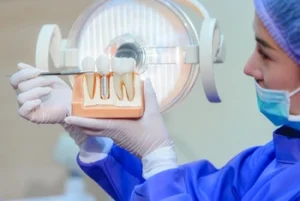 If you are concerned about light smoking after dental implant treatment, the appropriate approach is to avoid smoking during the healing period and ideally beyond.
Dental implants represent a long-term commitment to restoring your smile and chewing function. Protecting that investment means supporting bone healing, protecting soft tissues, and reducing infection risk.
Speaking openly with dentists about your smoking habits allows them to create a realistic treatment plan. In some cases, they may recommend delaying implant placement until smoking is reduced or stopped.
Final Thoughts
Light smoking after dental implant treatment may seem harmless, but even small amounts of cigarette smoking can reduce blood flow, interfere with blood clot formation, and slow the body’s natural healing process.
Smoking and dental implants are linked to higher implant failure rates and increased risk of infection and bone loss. For the best chance of implant success, avoiding smoking during the healing period is strongly advised.
If you are concerned about light smoking after dental implant treatment or would like personalised advice about protecting your implant during healing, book a consultation with us at Pearl Dental Care or call 02 9158 6312. We can review your medical history, discuss your recovery stage, and provide clear guidance to help support stable, long-term implant health.
Note: Any surgical or invasive procedure carries risks. Before proceeding, you should seek a second opinion from an appropriately qualified health practitioner.
Resources
“Colgate Editorial Team. (2023). ‘What Is Good Oral Hygiene?’. Colgate, 9 January. New York, NY: Colgate-Palmolive Company. https://www.colgate.com/en-us/oral-health/adult-oral-care/what-is-good-oral-hygiene”
“Cleveland Clinic. (2023). ‘Periodontal Disease (Gum Disease)’. Cleveland Clinic, 10 April. Cleveland, OH: Cleveland Clinic. https://my.clevelandclinic.org/health/diseases/21482-gum-periodontal-disease”
“Mayo Clinic Staff. (2024). ‘Dental Implant Surgery’. Mayo Clinic, 23 October. Rochester, MN: Mayo Foundation for Medical Education and Research. https://www.mayoclinic.org/tests-procedures/dental-implant-surgery/about/pac-20384622”