

After dental implant surgery, the choices you make at mealtimes matter more than many people expect. What you eat in the days and weeks following the procedure can directly influence how well the implant site heals and whether complications arise during recovery.
Knowing which foods to avoid after dental implants is one of the most practical steps towards a smooth recovery, and it is something many patients wish they had been better prepared for beforehand.
Quick Overview
- Diet plays a direct role in how well the implant site heals following surgery.
- Anyone who has recently had a dental implant placed or is preparing for the procedure may benefit from understanding which foods to avoid during the recovery period.
- Following a soft food diet and steering clear of certain food types helps protect the surgical site and reduces the risk of complications.
- How long dietary restrictions are needed may vary depending on individual healing rates, the number of implants placed, and whether additional procedures such as bone grafting were involved.
- Your dentist will advise when it is safe to gradually return to regular eating habits.
Keep reading to understand which foods to avoid, what to choose instead, and how your diet supports healing after dental implant surgery.
Why Your Diet Matters After Dental Implant Surgery
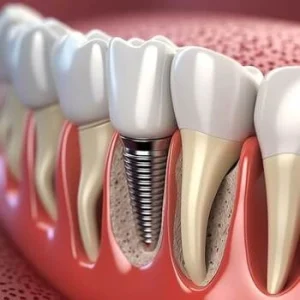
 After a dental implant is placed, the area around the implant site is actively recovering. Gum tissue needs time to heal from the surgical procedure, and the implant itself needs to fuse with the jawbone through a process called osseointegration. This takes time, and what you eat can either support or disrupt it.
Hard, sticky, hot, spicy, or acidic foods can place unnecessary stress on the surgical site, introduce bacteria to the healing area, and cause discomfort or swelling. In some cases, poor food choices during recovery may contribute to implant complications.
Eating soft foods while the surgery site is healing is one of the key aftercare steps following dental implant placement.
Foods to Avoid After Dental Implant Surgery
The following food types are best avoided in the weeks after dental implant surgery to protect the implant site and support healing.
Hard and Crunchy Foods
Hard and crunchy foods put direct pressure on the implant area. This can disturb healing tissue, cause pain, and, in some cases, affect the stability of the implant before osseointegration is complete.
Avoid: nuts, chips, crackers, raw vegetables, crusty bread, whole hard fruits such as apples, and any food that requires significant biting force.
Sticky and Chewy Foods
Sticky and chewy foods can cling to the surgical site or pull at healing gum tissue. They can also be difficult to clean away thoroughly, creating conditions where bacterial growth is more likely.
Avoid: chewing gum, caramel, lollies, dried fruit, and tough or chewy meats.
Spicy and Acidic Foods
Spicy foods can irritate the soft tissues around the implant site and cause discomfort during healing. Acidic foods and drinks, including citrus fruits, can affect gum tissue and increase sensitivity at a time when the area is already vulnerable. The Australian Dental Association advises that acidic foods and drinks should be avoided, particularly when oral tissues are at a higher risk of damage or erosion.
Avoid: citrus fruits such as oranges and lemons, tomato-based sauces, vinegar-heavy foods, spicy curries, chilli, and hot sauces.
Hot Foods and Drinks
Very hot foods and drinks can increase blood flow to the surgical site, which may contribute to swelling or interfere with blood clot formation. Cool or room-temperature foods are generally more comfortable and less likely to cause irritation during the early healing phase.
Avoid: very hot soups, hot beverages served at high temperatures, and freshly cooked meals straight from the stove. Allow foods and drinks to cool before consuming.
Carbonated and Alcoholic Beverages
Carbonated drinks can cause a fizzing sensation that irritates the surgical site and may disrupt healing. Alcoholic beverages can slow the body’s healing response and may interact with any medications prescribed after surgery.
Avoid: soft drinks, sparkling water, beer, wine, and spirits during the early healing phase.
What Can You Eat After Dental Implant Surgery?
A soft food diet during recovery does not mean poor nutrition. There are many gentle, nourishing options that support healing without placing stress on the implant site.
Good choices include: mashed potato, scrambled eggs, soft-cooked fish, smooth soups, yoghurt, cottage cheese, soft bread without crusts, well-cooked steamed vegetables, soft fruits such as banana, ripe avocado or tinned pear, and smoothies or protein shakes without seeds or hard pieces.
Protein-rich foods are particularly useful during recovery, as protein supports tissue repair. Dairy products such as yoghurt and cottage cheese also contribute to calcium intake, which supports bone health around the implant site.
How Long Should You Follow a Soft Food Diet?
 The duration of dietary restrictions after dental implant surgery varies between individuals. In general, a soft food diet is typically recommended for at least the first one to two weeks following the procedure. Those who have had multiple implants placed or who have undergone bone grafting as part of the process may need to follow dietary restrictions for a longer period.
Dental implant treatment requires several appointments across the process, and recovery progresses in stages. Your dentist will monitor healing at follow-up appointments and advise when it is appropriate to gradually reintroduce firmer foods. It is important not to rush this process.
A Considered Approach to Dental Implant Recovery
Dental implant surgery is a significant procedure, and recovery requires care and patience. A soft food diet, combined with good oral hygiene and regular follow-up with your dentist, gives the implant site the conditions it needs to heal well. Individual outcomes vary, and your dentist’s post-operative guidance is the most reliable reference for your specific situation.
If you have questions about dental implant recovery in St Marys at any stage, the team at Pearl Dental Care welcomes you to get in touch. Call us on 02 9158 6312 or book an appointment online.
Frequently Asked Questions
How long should I avoid hard foods after dental implant surgery?
Most people are advised to follow a soft food diet for at least one to two weeks after dental implant placement. The exact duration may vary depending on how many implants were placed, whether bone grafting was involved, and how quickly the individual heals. Your dentist will provide guidance based on your specific situation at follow-up appointments.
Can I drink coffee after dental implant surgery?
It is generally advisable to avoid very hot beverages, including coffee, in the days immediately following dental implant surgery. Hot drinks can increase swelling and irritate the surgical site. Once the initial healing period has passed and your dentist advises it is safe, lukewarm drinks are usually appropriate. Individual recovery timelines vary.
Note: Any surgical or invasive procedure carries risks. Before proceeding, you should seek a second opinion from an appropriately qualified health practitioner.
References
Healthdirect Australia. (2025). ‘Dental implant’. Healthdirect Australia, 12 June. Australia: Healthdirect Australia. https://www.healthdirect.gov.au/dental-implant
Australian Dental Association. (n.d.). ‘Policy Statement 2.2.2 – Diet and Nutrition’. Australian Dental Association. Australia: Australian Dental Association. https://ada.org.au/policy-statement-2-2-2-diet-nutrition
Department of Health & Human Services. (2007). ‘Dental treatment’. Better Health Channel. Melbourne, VIC: Department of Health & Human Services. https://www.betterhealth.vic.gov.au/health/conditionsandtreatments/dental-treatment