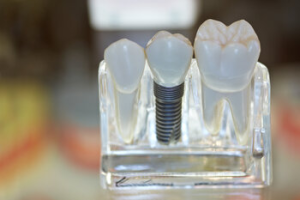
Dental implants are a popular and durable solution for replacing missing teeth. They consist of a titanium post that’s surgically implanted into the jawbone, acting as an artificial tooth root. An abutment is then attached to the post, onto which a crown – a prosthetic tooth – is fixed. This structure allows the implant to look, feel, and function much like a natural tooth. Dental implant treatment offers advantages such as improved oral function, enhanced aesthetics, and prevention of jawbone loss that often accompanies tooth loss. They are a long-lasting option and, with proper care, can serve for many years, even a lifetime.
How Are Dental Implants Useful For Dental Implants For Pensioners?
The golden years should be a time of enjoyment and comfort, and maintaining good oral health is an important part of this stage of life. For pensioners, who may experience an increased rate of tooth loss due to age, dental implants offer numerous advantages over traditional tooth replacement methods like dentures or bridges. Discover more. Here’s a deeper look at the benefits of dental implants for pensioners:
Improved Oral Function
Dental implants function like natural teeth, allowing pensioners to enjoy a wide range of food with no worry. Unlike dentures, which may slide around, dental implants are anchored securely to the jawbone. This stability can make speaking more comfortable and clearer, as the tongue is not obstructed by bulky dental apparatus.
Preservation of Facial Structure
Tooth loss often leads to jawbone resorption, which can alter facial structure and cause a prematurely aged appearance. Dental implants stimulate the jawbone, mimicking natural tooth roots, which can prevent this bone loss and help maintain facial structure.
Comfort and Fit
Dental implants are customised to fit each patient’s mouth perfectly, offering a comfort level that dentures may not provide. They feel and function like natural teeth, meaning that there is no foreign body sensation that often accompanies dentures.
Improved Oral Health
With bridges, adjacent teeth must be filed down to accommodate the appliance. In contrast, dental implants do not require altering the structure of surrounding healthy teeth, preserving overall oral health. Furthermore, the easy cleaning of implants—similar to how one would brush natural teeth—can contribute to better oral hygiene.
Durability
Dental implants usually last a lifetime with proper care and regular dental check-ups. While the initial cost may be higher than other tooth replacement options, their longevity often makes them a cost-effective solution in the long run.
Boosted Self-Confidence
Dental implants can restore a natural-looking smile, boosting pensioners’ self-esteem. Being able to smile, eat, and speak without worry can enhance social interactions and overall quality of life.
No Risk of Misplacement
Unlike removable dentures that can be misplaced, dental implants are a good solution for missing teeth. This eliminates the stress and inconvenience of misplacing or forgetting where you’ve placed your dentures.
Convenience
There’s no need for the messy adhesives that are often required to keep dentures in place. Dental implants are fixed and won’t slip or move, offering a convenience factor that many pensioners appreciate.
Healthy Natural Teeth are Unaffected
For bridges, the adjacent teeth have to be prepared by removing most of their enamel. With implants, the dentist leaves these teeth untouched, which is better for your overall oral health.
Taste and Enjoy Food
Pensioners with dental implants can enjoy their food just as they would with natural teeth. As upper dentures can cover the roof of the mouth, they can interfere with the sense of taste. Implants do not have this problem.
While dental implants offer numerous benefits, it’s important to note that not every pensioner is a suitable candidate for dental implants. Factors such as general or oral health problems, bone density, and whether a person smokes can all impact the success of dental implants.
A consultation with a dental professional is necessary to see if dental implants are the best solution for tooth loss. But for many pensioners, dental implants offer a durable, comfortable, and aesthetically pleasing solution to maintain their oral health and quality of life.
Are Dental Implants Easy To Take Care of?
For pensioners considering dental implants, a common concern is the maintenance and care required. However, one of the significant advantages of dental implants is the fact that they are easy to care for, mirroring the care routine for natural teeth. Here are key points that illustrate the ease of dental implant care for pensioners:
Regular Brushing and Flossing
Just like natural teeth, dental implants should be brushed twice a day. Using a soft-bristled toothbrush can prevent any potential damage to the gum tissue. Daily flossing is also essential to remove any food debris lodged around the implant. Special floss or interdental brushes can be used if recommended by a dentist.
Use of Non-Abrasive Toothpaste
Abrasive toothpaste can scratch the surface of the crown attached to the implant, causing it to look dull and worn out. Therefore, a non-abrasive or gel toothpaste is recommended to keep the crown looking fresh and clean.
During these visits, dentists can clean areas that are difficult to reach home and spot any potential issues early on. It’s recommended that pensioners visit their dentist every six months or more frequently if advised.
Avoidance of Hard Foods
Although dental implants are robust and mimic natural teeth in functionality, it’s prudent to avoid excessively hard foods that could potentially damage the implant or the attached crown.
Care with Hot Foods and Drinks
The material used for the crown attached to the dental implant can sometimes retain more heat than natural teeth. Pensioners should be mindful when consuming hot foods and drinks to avoid discomfort or burning their mouths.
Mouthwash Use
A non-alcoholic antimicrobial mouthwash can be beneficial for maintaining oral hygiene with dental implants. It helps to kill bacteria and reduce the risk of infection around the dental implant surgery site.
Ceasing Tobacco Use
For pensioners who smoke, it’s important to consider that tobacco use can significantly affect the success of dental implants. Smoking impairs healing and can lead to implant failure. Therefore, for those considering implants, it’s strongly advised to quit smoking.
Control of Chronic Conditions
Pensioners with chronic conditions such as diabetes or heart disease need to ensure these conditions are well-managed. Poorly controlled systemic diseases can impact the success and longevity of dental implants.
Despite these care instructions, dental implants do not require any special maintenance compared to natural teeth. The key to their longevity lies in maintaining good oral hygiene and attending regular dental check-ups.
With these practices, dental implants can last a lifetime, making them an excellent long-term investment for pensioners. It provides the freedom to enjoy food, smile confidently, and live a life without worrying about missing teeth or unstable dentures.
Are Dental Implants Cost-effective Option For Pensioners?
Dental implants have gained recognition as a reliable solution for tooth replacement, especially for seniors who want a long-lasting, convenient, and functional option. While the upfront costs of dental implants may be higher compared to other alternatives such as dentures or bridges, they prove to be a cost-effective option in the long run for several reasons:
Durability
Dental implants are made to last a lifetime if provided good care. Unlike dentures or bridges that may need replacement or adjustments every 5-10 years, the durable nature of implants eliminates these recurring costs, making them a financially sensible option over time.
Preservation of Oral Health
Dental implants act like natural tooth roots and stimulate the jawbone, preventing bone loss that often occurs after tooth loss. By preserving the jawbone and oral health, dental implants can help seniors avoid further dental complications and the associated treatment costs down the line.
No Special Maintenance
Dental implants don’t require specific cleaning solutions or adhesives like removable dentures do. Regular brushing, flossing, and dental check-ups are all that is needed, aligning with the normal oral hygiene practices one would carry out for natural teeth.
Prevention of Adjacent Tooth Damage
Unlike dental bridges, which require the filing down of adjacent healthy teeth, dental implants are standalone units that don’t impact other teeth. By preventing damage to nearby teeth, implants can help reduce future dental treatments and costs.
Improved Quality of Life
The comfort, stability, and natural feel of dental implants contribute to improved speech, eating ability, and self-confidence, enhancing seniors’ overall quality of life. Although harder to quantify, the psychological and social benefits of this improved life quality should not be underestimated in terms of cost-effectiveness.
Less Time at the Dentist
Dental implants require fewer visits to the dentist for adjustments and fixes than dentures or bridges. This not only saves money but also time, which can be a significant factor for many seniors.
In conclusion, when considering the overall cost, dental implants often emerge as the most cost-effective solution for tooth replacement for seniors.
Ready To Reclaim Your Confidence With A Captivating Smile?
At Pearl Dental Care Clinic, we can make that dream a reality. Dental implants do more than just revamp your smile – they offer a multitude of oral and systemic health benefits, especially for pensioners. Unsure if dental implants are the perfect fit for you? Fear not. We provide in-depth consultations at Pearl Dental Care, ready to address all your queries or concerns. Connect with our team on (02) 9158 6312 today, and let’s set a course towards a future filled with health, happiness, and dazzling smiles.
Note: Any surgical or invasive procedure carries risks. Before proceeding, you should seek a second opinion from an appropriately qualified health practitioner.
References
Kelly Vaughn on LinkedIn: The Benefits of Dental Implants for Older Adults
https://www.linkedin.com/posts/kellyvaughn1stchoice_the-benefits-of-dental-implants-for-older-activity-7064219718114570240-Eyo6/
The rise of the dental implant for seniors https://www.linkedin.com/pulse/rise-dental-implant-seniors-amy-genson-guss/
Dental Implants – An Effective Solution to Tooth Loss | HuffPost Contributor https://www.huffpost.com/entry/dental-implants-an-effective-solution-to-tooth-loss_b_57ced18fe4b06c750ddbc01b
Dental health is essential to overall well-being, with our pearly whites serving an essential functional role and greatly influencing our appearance and confidence. For those who’ve experienced tooth loss, a reliable, long-lasting, and aesthetically pleasing solution is critical.
Dental implants as a popular and proven option, often come into the picture, yet the dental implant surgery cost can be a deciding factor for many people. This comprehensive guide will explore the topic of the cheapest dental implants in Australia, highlighting if they are indeed worth considering.
Understanding Dental Implants
Dental implants are meant to replace missing tooth roots. They act as a foundation for replacement teeth designed to match your natural teeth. Dental implants consist of biocompatible titanium and are surgically placed into the jaw bone, supporting the artificial tooth or teeth.
The Cost of Dental Implants in Australia
The dental implant treatment cost in Australia can vary significantly, with prices affected by numerous factors. These include the number of implants required if you need additional procedures like bone grafting or a sinus lift and the specific dentist’s expertise. Dental implant costs, on average, start from $3,000, according to the 2020 National Dental Fee Survey.
The Appeal of Cheap Dental Implants
At first glance, the allure of cheap dental implants is undeniable. It’s an attractive proposition to restore your smile and tooth function without breaking the bank.
However, the saying “you get what you pay for” often holds true when it comes to dental health and significant procedures like dental implants.
Potential Risks with Cheaper Dental Implants
While the upfront cost of cheaper dental implants might be appealing, it’s essential to understand the potential risks and considerations associated with such options. These may include lower-quality materials, questionable infection control, or less experienced dentists, leading to a higher risk of implant failure, infection, or other complications.
Investing in Quality Dental Implants
Opting for cheaper dental implants may seem like a practical decision initially, but the potential additional costs in the long run – both financial and health-related – can be considerable. Quality dental implants, while a more significant initial investment, are made of high-grade materials and are placed by experienced dentists.
Why Do People Need Dental Implants?
Dental implants are often necessary for individuals who have lost their natural teeth because of periodontal disease, an injury, or other reasons. Tooth loss doesn’t just affect aesthetics; it also poses functional issues such as difficulty eating and speaking. Missing or damaged teeth can also lead to bone loss over time, compromising the facial structure and causing a prematurely aged appearance.
How Dental Implants Work
Dental implants involve a surgical procedure where a titanium post is placed into the jaw. This implant acts as a root for the replacement tooth or teeth, providing a solid base to support one or multiple artificial teeth. After the implant is placed, the jaw bone grows around it in a process called osseointegration, essentially ‘locking’ the implant into place.
Quality of Implants and Surgical Expertise
When considering the cheapest dental implants in Australia, it’s important to remember that quality and surgical expertise should not be compromised. A cheaper option might not necessarily have the best quality implants or the most experienced surgical team. This can result in various complications, from infection and implant failure to poor aesthetics and discomfort.
Long-term Implications of Choosing Cheap Dental Implants
While the initial lower cost might be attractive, cheap dental implants could cost more in the long run. The subsequent corrective procedures can be costly if a cheap implant fails or causes complications. Not to mention, dealing with the discomfort and inconvenience of a failed implant can significantly impact your quality of life.
Additional Costs Associated with Dental Implants
The cost of dental implants doesn’t just include the implants themselves.
Other elements, such as consultations, X-rays, anaesthesia, aftercare, and potential supplementary procedures like bone grafting or sinus lifts, contribute to the overall cost.
When assessing the cheapest dental implants in Australia, it’s important to consider the entire cost, not just the price of the implant itself.
The Importance of Dental Insurance
Having a good dental insurance plan can make a world of difference when considering dental implants. Most dental insurance plans in Australia cover major dental procedures, including dental implants. While this won’t necessarily make your implants cheaper, it can make the cost more manageable by spreading it over time.
Making Dental Implants More Affordable
If the cost of dental implants is prohibitive, there are ways to make the treatment more affordable without necessarily opting for the cheapest – and potentially lower-quality – implants. Some dental practices offer in-house finance options or payment plans, so you can easily spread the cost over time.
What to Ask Your Dentist
When considering dental implants, whether they are the cheapest dental implants in Australia or a more costly option, it’s important to have a clear discussion with your dentist. Make sure to understand what the treatment involves, the expected outcomes, potential complications, and the total cost. A good dentist will be transparent about these details and help you make an informed decision.
The Psychological Impact of Missing Teeth
Before we delve into the financial aspect of dental implants, it’s essential to consider the psychological impact of missing teeth. Having a gap in your smile can significantly affect your self-esteem and overall happiness.
Many patients report feeling self-conscious about their smile, which can limit social interactions and affect mental well-being. Restoring your smile with dental implants can significantly boost your confidence and self-esteem.
Dental Tourism: An Alternative for Cheaper Dental Implants
The quest for the cheapest dental implants in Australia may lead some to consider dental tourism. This involves travelling overseas to countries where dental procedures are offered at significantly lower prices. Countries in Eastern Europe, Asia, and Central America are popular destinations for those seeking affordable dental care.
However, while the initial cost might be lower, the risk of complications is higher. Different countries may have varying standards for dental care, and the lack of follow-up care can potentially result in complications. Furthermore, if there are issues after the procedure, the cost of additional treatment back in Australia might outweigh the initial savings made by opting for cheaper overseas treatment.
Does More Expensive Mean Better Quality?
While you may assume that a higher-priced dental implant automatically equates to better quality, this isn’t always true. Several factors, such as the location of the dental practice, the complexity of your dental needs, and the type of dental implant used, can influence the cost of dental implants.
It’s important to balance cost and quality and ensure that your dental professional has the experience and expertise to successfully handle your dental implant procedure.
Advancements in Dental Implant Technology
Technological advancements have also influenced the cost and quality of dental implants. Newer techniques and materials, like ceramic dental implants, offer potential advantages such as improved aesthetics and less risk of allergic reaction. However, they may also come with a higher price tag. It’s worth discussing these options with your dentist to determine the ideal solution according to your needs and budget.
The Real Cost of Missing Teeth
While looking at the cheapest dental implants in Australia, it’s worth considering the real cost of missing teeth if left untreated. Missing teeth can lead to various dental issues, including shifting other teeth, bone loss, difficulty eating, and speech problems. Over time, these issues can lead to higher dental care costs, making the upfront cost of dental implants a potentially more cost-effective solution in the long term.
Importance of a Customised Treatment Plan
Each individual’s dental needs are unique, and a one-size-fits-all approach is unsuitable for dental implants. A good dental professional will develop a customised treatment plan that considers your specific needs, overall oral health, and budget. This personalised approach ensures you receive the most suitable treatment, rather than opting for the cheapest available option without considering the potential long-term implications.
The Role of Regular Dental Care in Implant Success
While not directly related to the cost of dental implants, regular dental care plays a crucial role in the success and longevity of dental implants. Regular check-ups can help detect and address potential issues early, ensuring your dental implants function correctly and last as long as possible. Neglecting regular dental care could lead to complications that require additional treatment, adding to the overall cost.
Understanding Dental Implant Maintenance
Understanding and committing to the proper maintenance of your dental implants is essential. While dental implants are designed to mimic real teeth, they still require care. Regular brushing, flossing, and dental check-ups are vital to maintaining your dental implants. Furthermore, certain habits, like smoking, can jeopardise the success of the implant procedure and its durability.
Financing Options for Dental Implants
One aspect of dental implants that often needs to be discussed is the possibility of financing. Many dental clinics now offer flexible payment plans so you can pay off your dental implant treatment over several months or even years.
This means you don’t need to come up with the full amount upfront, making it easier to afford the cost of treatment. Some dental clinics even provide interest-free payment options, making them more appealing.
When considering the cheapest dental implants in Australia, don’t forget to ask about any potential financing options. This could make higher-quality implants much more affordable and may influence your final decision.
Cheap Dental Implants: A Detailed Comparison
Understanding what you’re getting for your money is essential when it comes to dental implants. Not all implants are created equal, and the cheapest option may not always offer the best value.
Some of the most affordable dental implants may be made of lower-quality materials or have less comprehensive aftercare.
Consider all factors that contribute to the dental implant cost, such as the quality of the implant itself, the expertise of the dental professional performing the procedure, and the level of aftercare provided.
You should also consider the longevity of the implant. A cheaper implant may need to be replaced more frequently, which could cost more in the long run.
The Cost of Not Replacing Missing Teeth
It’s also important to consider the potential cost of not replacing missing teeth. Leaving gaps in your smile can lead to bone loss in your jaw, which could require costly treatment to rectify. Missing teeth can also impact chewing and speaking abilities, which can affect your quality of life and potentially require further dental treatment.
How Many Implants Do You Really Need?
You may not need a dental implant for each missing tooth in many cases. For example, if you’re missing several teeth in a row, a dental bridge supported by one or two implants may be sufficient. Similarly, full-mouth dental implants often use just four to six implants to replace the complete arch of teeth. This approach can really reduce the cost of your treatment, making dental implants a more affordable option.
Choosing a Dental Professional for Dental Implants
Finally, the dental professional you choose can also significantly influence the cost and quality of your dental implants. Highly experienced dentists may charge more for their services, but they also have the expertise to ensure your implants are placed correctly, improving the longevity and success of your treatment.
When looking for the cheapest dental implants in Australia, it’s essential to consider the experience and qualifications of the dental professional. A lower-cost provider may have a different level of expertise, which could impact the success of your treatment. Make sure you thoroughly research your chosen dental professional to ensure they have the necessary skills and experience to provide high-quality dental implants.
In the quest for affordable dental care, it’s crucial not to compromise on quality. Dental implants are a significant investment, and opting for the cheapest option, not considering factors that can cost more in the long run.
By understanding the various aspects contributing to dental implants cost and exploring all available options, you can make an informed decision that suits both your dental health needs and your budget.
Conclusion
In the quest for the cheapest dental implants in Australia, weighing the initial savings against potential long-term costs is vital. A dental implant procedure is an investment in your health, comfort, and confidence, and it is worthwhile to invest in quality treatment that will serve you well for years to come.
Are you considering dental implants? Book a consultation with Pearl Dental Care on (02) 9158 6312 today to get the highest quality dental care in St Marys. Our team of experienced dentists will guide you through your options and help you make the best decision for your dental health.
References
Implants | MouthHealthy – Oral Health Information from the ADA https://www.mouthhealthy.org/en/all-topics-a-z/implants
Dental Implants: Get Reduced Dental Fees Now https://www.smile.com.au/dental-treatments/implants
Cost of dental care | healthdirect https://www.healthdirect.gov.au/cost-of-dental-care
Dental implant treatment is highly recommended due to its multiple benefits and realistic look and feel. Although various dental implant materials exist, titanium implants are the most suitable treatment commonly used due to their durability and biocompatibility.
This blog post will dive into important information you need to know about titanium teeth implant treatment.
What are titanium teeth implants?
Titanium teeth implants are small metal studs, or screws, that replace natural tooth roots. The implant post is implanted into the jaw bone, serving as a base for a replacement tooth.
Titanium implants come in different sizes and shapes. Your dentist will recommend the appropriate implant size and shape based on your needs. This is generally for tooth loss.
Titanium versus zirconia and ceramic implants
People looking to replace missing multiple teeth generally turn to titanium dental implants. However, zirconia and ceramic implants are also up-and-coming alternatives.
Not only do they provide a strong, reliable solution, but they can also be a more aesthetically pleasing option.
One of the biggest advantages of ceramic and zirconia dental implants is that they are resistant to corrosion and do not contain any metal, making them an ideal choice for those with metal sensitivities.
And while titanium teeth implants cost more than ceramic and zirconia dental implants, many patients find the benefits well worth the investment.
Why use titanium versions for dental implants?
If quality and durability matter to you, titanium is an excellent choice for dental implants. This lightweight metal is also biocompatible, meaning your body can tolerate it easily. But what really sets titanium apart is its remarkable ability to bond with bone tissue.
When a titanium implant is inserted into your jaw, the surrounding bone cells grow and fuse with the implant, so your replacement tooth has a strong and stable foundation. Not only does this make for a more successful dental implant, but it also helps to regenerate surrounding tissue.
How do titanium dental implants work?
Titanium dental implants work by mimicking the structure and function of a natural tooth. The implant replaces the tooth root, while the new artificial tooth or dental crown takes the place of the visible portion of the tooth.
The titanium implant is fixed into the jaw bone, fusing with the bone tissue and becoming a permanent part of your mouth structure.
Once the implant is in place, the oral surgeon attaches a connector or abutment that holds the replacement tooth securely in place.
Benefits of titanium teeth implants
Durability
The most commonly asked question is: are dental implants permanent? Well, yes! Titanium is a strong, biocompatible material that can fuse with your bone, creating a permanent base for your implant.
This fusion process, called osseointegration, can take several months, but once it’s complete, the implant will be as strong as your natural teeth.
This means you won’t have to worry about your implant breaking or falling out and can enjoy your new teeth for years.
Appearance
Another advantage of titanium dental implants is their appearance. Because they are custom-made to match your natural teeth, they look and feel just like your real teeth.
Unlike dentures, which can shift or slip out of place, dental titanium implants offer a permanent solution that won’t affect your speech or ability to eat and drink normally.
You’ll be able to seamlessly replace missing teeth and smile with confidence once more!
Functionality
In addition to their appearance, titanium teeth implants function just like natural teeth. This means you won’t have any dietary restrictions and can eat the foods you love without worry.
You also won’t have to worry about your implant affecting your speech, as it will function just like your natural teeth.
This can be a huge relief for people with missing teeth who may have been struggling with eating or speaking.
Convenience
You’ll need to brush and floss regularly and visit your local dental clinic for cleanings and checkups; otherwise, your implant won’t require any special care.
This can save you time and hassle in the long run, allowing you to focus on enjoying your new teeth.
Potential risks associated with titanium teeth implants
Allergic reactions
One of the potential risks associated with titanium teeth implants is having a metal allergy. Although rare, some individuals may have an allergy to titanium that can cause various symptoms, including inflammation, itching, and rashes.
Also, though titanium alloys aren’t toxic, titanium toxicity can occur in rare cases.
Infection
Another risk associated with titanium teeth implants is the development of infections.
These can occur during or after the first tooth replacement procedure, leading to serious complications.
To minimise the risk of infection, it is important to choose an appropriately qualified health practitioner who will ensure that all infection control protocols are followed during the procedure.
Dental Implant Failure
Every invasive procedure carries risks. Sometimes, the titanium implant may fail to integrate with the surrounding bone and tissues, leading to implant failure.
This can be caused by different factors, including poor bone density, improper dental implant placement, and medical conditions affecting bone healing.
This can lead to numbness, pain, tingling and other symptoms.
In some cases, the nerve damage may be temporary, while in others, it may be permanent.
To minimise the risk of nerve damage, choosing a skilled and experienced dentist who will take the necessary precautions to protect the nerves during the procedure is important.
Bone Loss
Over time, titanium implants may lead to marginal bone loss in the surrounding area.
Various factors, including implant failure, bone inflammation, and infection, can cause this.
To minimise the risk of bone loss, it is important to practise good oral hygiene, follow your dentist’s instructions for caring for your implants, and attend regular dental checkups to monitor the health of your implants.
Titanium Implant Fractures
Titanium teeth implants are incredibly strong and durable but not entirely immune to fractures. Bruxism, manufacturing defects, and improper placement can lead to fractures. A fractured implant can be a serious issue, potentially leading to implant failure and additional surgical intervention. However, it is a rare occurrence, revealed in only 5-10% of patients.
How long does it take to get a titanium teeth implant?
Since it is an invasive procedure, the process can take anywhere from six months to over a year, depending on the individual’s needs.
While the process may seem lengthy, it’s important to remember the benefits of a dental implant, including improved oral health, confidence, and functionality.
How much do titanium teeth implants cost?
One of the main questions asked by those considering titanium dental implants is regarding the overall cost.
While commercially pure titanium is often used for dental implants because of its strength, durability, and biocompatibility, the price of the procedure can vary depending on several factors.
Investing in dental implants can provide a healthier, more comfortable option for those with multiple missing teeth.
Conclusion
Titanium teeth implants are an effective and long-lasting solution for people with damaged or missing teeth. With proper dental care, they can last up to 15 years or more, making them a great investment in your dental health.
Getting titanium tooth implants involves several steps that take time and money; however, the benefits exceed any potential risks associated with the procedure.
Interested in getting titanium or zirconia implants to replace your missing tooth? Then contact Pearl Dental Care! Previously known as Pearl Dental Care, we provide comprehensive family dental care. We also provide both nitrous oxide and IV sedation, so you don’t feel a thing! Call us today at (02) 9158 6312 to book an appointment!
Note: Any surgical or invasive procedure carries risks. Before proceeding, you should seek a second opinion from an appropriately qualified health practitioner.
Missing a tooth can cause problems beyond just appearance. Tooth loss can affect proper chewing and result in further oral health complications. Fortunately, dental implants provide a reliable solution for individuals who have lost teeth.
They closely resemble natural teeth and can last forever if you take good care of them. However, dental implants can be costly, and the pricing may vary depending on various factors. This blog will discuss these factors and give you an overview of how much a dental implant costs.
Overview of What Tooth Implants Are and Factors That Determine the Price
Tooth implants are a popular solution for individuals missing one or more teeth. These small posts are surgically placed into the jaw bone and act as a sturdy base for a replacement tooth or bridge.
However, when considering the cost of dental implants, it’s important to understand that the price can vary based on several factors. For example, if the jaw bone has deteriorated, patients may require a bone graft, which can also affect the final price.
Although the dental implant cost can seem high, it’s important to consider the long-lasting benefits of investing in a reliable tooth replacement solution. Here are the main factors impacting the price you must pay for the tooth implant.
The Type of Implant
Not all implants are created equal, and the type of implant used can affect the price. A single dental implant costs more than implant-supported bridges or dentures that require multiple implants. You may also choose between traditional implants or mini implants, which are less expensive and require less invasive dental implant surgery.
The Material Used
Dental implants come in titanium or zirconium options, both highly durable materials that integrate well with the jawbone. However, zirconium is a newer and more expensive material and may not be covered by some insurance plans.
The Location of the Implant
The location of the dental implant also affects its price. Implants in the front of the mouth, where they are more visible, usually cost more than those in the back of the mouth. This is because the front implants require more customisation, and the treatment may take longer.
The Dentist’s Qualifications
The dentist’s experience and qualifications also affect the cost of a tooth implant. An experienced dentist may charge more, but they are more likely to produce satisfactory results. It is essential to do your research and choose a dentist who can guarantee quality and long-lasting results.
Dental Insurance Coverage
Insurance coverage is one of the most critical factors in the cost of dental implants. Some insurance plans may cover part of the cost of the implants and the crown, while others may not. Check with your insurance provider to find out what procedures they cover.
Different Types of Dental Implants Available and What Each Entails
Dental implants are a highly sought solution for patients wanting to replace missing teeth or improve their smile. Different types of dental implants are available, each with unique features.
One option is ceramic dental implants made of zirconia which offer a natural-looking alternative to traditional metal implants. The titanium implant is another popular choice for its strength and durability.
An implant-supported bridge may be the best solution for those missing multiple teeth. This involves several implants supporting a bridge of multiple teeth, creating a more stable and long-lasting option. With all the different types of dental implants available, it’s important to speak with your dentist to find the option that best fits your needs.
The Advantages of Getting a Tooth Implant Over Other Restorative Treatments
Patients who have experienced poorly fitting dentures or dental bridges can attest to the discomfort and inconvenience of having fake teeth. Unlike these restorative dental treatments, tooth implants mimic natural teeth in appearance, functionality, and comfort.
With proper dental care and maintenance, tooth implants can last a lifetime. This means that patients don’t need to worry about replacing them every few years, decreasing costs in the long run.
Additionally, tooth implants stimulate the natural bone growth in the jaw, preventing bone loss and maintaining facial structure. While partial dentures and dental bridges have their own benefits, tooth implants offer a superior solution for those looking for a permanent and natural restoration of their smile.
Potential Risks Associated With Getting a Tooth Implant
The most common complication caused by dental implants is infection. The gum tissue and bone are cut to make way for the post during the implant procedure. This can make an opening for bacteria to enter, which can cause an infection.
Signs of infection are redness, swelling, warmth, and pain around the implant site. The dentist will usually prescribe antibiotics to prevent the infection from spreading.
Nerve Damage
The tooth’s location being replaced can be very close to a nerve in some cases. During the implant procedure, if the dentist accidentally touches or injures this nerve, it can cause nerve damage.
This can result in tingling, numbness, or pain in the mouth, lips, or tongue. Usually, the nerve will recover on its own within a few months, but in some cases, the damage can be permanent.
Implant Failure
Dental implants are usually very successful, with a success rate of about 95%. However, in some cases, the implant can fail. This is when the implant doesn’t fuse properly with the jawbone or when the bone around the implant deteriorates. This can result in movement or a lack of support for the implant. If the implant fails, it might need to be removed and replaced.
Allergic Reaction
In rare cases, some patients might have an allergic reaction to the materials used in the implant. The implant post is usually made of titanium or a titanium alloy, and the dental crown is usually made of porcelain or ceramic. If you have a metal allergy, then you should inform your dentist before the procedure.
Bone Loss
You may experience bone loss around the tooth implant. This can be caused by several factors, including poor oral hygiene, gum disease, or bruxism (teeth grinding). If you notice any changes in how the implant feels, you should contact your dentist immediately.
Factors Contributing to the Dental Implants Cost
The cost of dental work can often seem daunting – especially when it comes to full-mouth dental implants. However, it’s important to note that several aspects can influence dental implants cost – such as:
The location of the implant in the mouth
The type of implant used
Whether or not the implant is being used to support a bridge
Typically, a single tooth implant cost starts from, while an implant-supported bridge can cost considerably more. Despite these costs, investing in dental implants can be wise for those looking to improve their oral health and maintain a natural-looking smile.
Preparation Required for a Dental Implant Procedure
Missing or damaged teeth can be a hassle, making it difficult to eat and speak confidently. Luckily, there is a dental treatment that can help: teeth implants. However, preparing for a dental procedure can be daunting.
To ensure the process goes smoothly, there are a few things you can do beforehand. Firstly, speak with your dentist or oral surgeon to discuss the procedure and any concerns you may have.
Secondly, maintain good oral hygiene before receiving the implant, paying extra attention to the surrounding teeth and gums. Lastly, following the procedure, stick to a soft diet and avoid smoking to help the healing process.
By taking the right steps before and after the dental implant treatment, you can be well on your way to enjoying your new, fully functional smile.
What Happens During The Dental Implant Procedure?
The dental implant procedure has become more popular in recent years to replace missing teeth. Unlike conventional dentures or bridges, which may come loose or require special care, implants are a permanent solution to tooth loss.
The process involves installing an artificial tooth root into the jawbone that will eventually fuse with the bone to create a secure base for a replacement tooth. Sometimes, a sinus lift may be necessary to create enough space in the jawbone.
Once the dental implant placement is completed, the gum tissue must heal before an artificial tooth is attached.
With proper care, dental implants can last forever and provide patients with a natural-looking and functional solution to missing teeth.
Recovery Tips After Undergoing the Dental Implant Procedure
Undergoing a dental implant procedure can be a significant step towards achieving a beautiful and healthy smile. However, taking care of the implants after the procedure is equally important.
Several factors affect the recovery process, and awareness of them is crucial. Proper oral hygiene is crucial, especially for remaining natural teeth, as it can reduce the risk of infection and other dental issues.
Avoiding major dental procedures during the initial healing phase is also advisable, as they may interfere with the implant’s integration into the jawbone.
In addition, staying hydrated, eating a healthy diet, and getting adequate rest can promote oral health and aid in recovery.
Tips for Finding an Affordable but Quality Tooth Implant Provider
Losing a tooth is never fun, but luckily, tooth replacement through implants is a viable solution. However, finding an affordable yet high-quality implant provider can be daunting.
It’s highly recommended to research potential providers thoroughly and ask for recommendations from trusted friends or family members. Additionally, don’t forget to check if your dental insurance plan covers dental implants or offers dental health insurance benefits that could help lessen the financial burden.
It’s important to prioritise the provider’s quality of care and expertise to ensure a successful tooth replacement that will last for years to come.
Common Misconceptions About Tooth Implants
One of the most common misconceptions about tooth implants is that they are a dental procedure exclusively for older people. Regardless of age, anyone who needs a tooth replacement can benefit from an implant procedure.
Another misconception surrounds the idea that fake teeth will look too obvious or will be uncomfortable to wear. However, dental implants are designed to look and feel just like real teeth- they blend seamlessly with the surrounding teeth and are customised to replicate your natural teeth.
It’s important to debunk these misconceptions and to seek the right information about dental implants- it’s a reliable and long-lasting solution for many types of tooth loss.
In Conclusion
By now, you should have a clear understanding of the many aspects of getting a dental implant; the cost, different types, advantages, risks, and the procedure involved.
As you consider options for restoring your smile, remember that many dentists experienced in implant dentistry can provide quality dental implants without breaking your budget. Furthermore, finding a reputable dental provider who can properly assess your needs and let you know if a dental implant is right for you is important.
With all this information, you can better decide what dental treatment is best for you. Therefore, make sure to do the necessary research around costs and providers so that you can be confident with your choice.
If you think tooth implants are right for you, don’t wait any longer and set up an appointment today with Pearl Dental Care! Rebranded as Pearl Dental Care, we provide top-notch dental treatments to our patients, stressing customer care and satisfaction. Call us at (02) 9158 6312 for more information.
Note: Any surgical or invasive procedure carries risks. Before proceeding, you should seek a second opinion from an appropriately qualified health practitioner.
Rather than selecting dentures or dental bridges, many individuals are deciding on dental implants for their tooth replacement option due to the numerous oral health benefits and long-term usage. Even though implant surgery is more meticulous than other options, patients should guarantee that it’s worth the recovery time and monetary investment before going through with it.
If you’re considering dental implants as a long-term solution for tooth replacement needs, know that they look and act just like natural teeth. But how reliable are they? The life expectancy of an implant depends on your personalised oral hygiene regimen, the location of the implant in your mouth and (most importantly) how much you use them to chew. With proper care, however, these implanted teeth can last for many years.
Understanding the dental implant structure
Dental implant rods crafted from biocompatible surgical-grade titanium are implanted into the jaw bone and threaded to facilitate osseointegration–the process in which it fuses with your bone. This imitates a natural tooth root, allowing for a secure attachment of any prosthetic device. Thus, regardless of what type of dental restoration you require, these three components remain constant.
An implant is a hollow structure made to accommodate an abutment; this metal post screws into the rod and protrudes past your gum line. Lastly, you will need a prosthesis such as an artificial crown, bridge, or denture – depending on the type of surgery and the number of teeth being replaced – which attaches to the abutment through either dental adhesives or a tiny screw capped with composite resin.
How long does a dental implant last?
In terms of longevity, studies suggest that well-cared-for dental implants can last anywhere from 10 to 25 years or more before they must be replaced. However, certain factors can affect how long does a dental implant last:
The quality of materials used in the fabrication
Your own oral hygiene habits (remember to keep brushing and flossing those residual spaces between your restored teeth!)
The skill level of your dentist or oral surgeon who installed them
Whether or not you grind/clench your teeth (which can overload implant posts)
Post-surgery instructions followed regarding activity levels during the recovery period
If you take proper care of them by brushing twice per day with a soft-bristled toothbrush, flossing daily at least once per day alongside regular visits with your dentist for checkups and cleanings, chances are very good that you’ll get many years out of them. That being said, consider talking to both your dentist and physician before beginning any kind of treatment so they can inform you about all possible risks associated with getting any sort of procedure done.
How often should you replace the implant-supported restorations?
Despite being just as durable as natural teeth, dental implants with ceramic restorations generally have an optimal lifespan of 10-15 years. However, this timeline may be different if you are a sufferer of bruxism (teeth grinding or clenching) which could lead to the restoration being replaced in less time. Bruxism usually takes place at night during deep sleep. There is a large group of people who have little to no idea how bruxism is destroying their oral health.
To guarantee that your implant-supported dental restorations last, it is paramount to practice superior oral hygiene through regular brushing and flossing. Though the material of a crown, bridge or denture may be reliable and resist tooth decay, gum disease could still affect the nearby gums. Therefore for these solutions to remain durable over time, it is crucial to consistently execute impeccable oral practices. Dental implants do not require extensive and special care, which makes it easier to maintain them for the long term.
Gingivitis and periodontitis can create inflammation of the tissue near your dental implant, leading to jawbone deterioration that causes the implant’s failure. Fortunately, a reliable restoration allows dentists to replace worn-out implants with minimal effort by merely removing them from their abutment.
How often does the dental implant need to be removed?
Technology and established protocols have made dental implant surgery one of the safest options for replacing missing teeth, granting an impressive success rate of 95%. Additionally, a thorough initial assessment is conducted to ensure patients are suitable candidates for this type of procedure.
Though a rare occurrence, dental implant surgery can sometimes be unsuccessful. If you notice any of the indicators below, it could mean that your dental implants may need to be replaced: infection around the area; implants coming loose or falling out; sinus complications because of cavities in this region; damage to tissue/nerve pain felt during inflammation and swelling in both gums and jawbone (peri-implantitis).
How to avoid dental implant failure?
Undergoing the dental implant procedure can be a lifetime investment, but only if you look after them properly. Your oral hygiene routine plays an integral role in ensuring your dental implant’s longevity; however, other factors, such as how you use your teeth and the dentist who placed the implant, also contribute to its success. With proper care and maintenance, there is no reason why it shouldn’t last for many years.
Refrain from using your teeth to open wrappers, gnawing on items such as pens, or crunching ice. If you find yourself grinding and clenching your teeth at night, make an appointment with the dentist for a personalised nightguard; it provides a cushion between your upper and lower jaw while sleeping so the teeth can relax without being put under strain.
To protect your artificial dental prosthetics from discolouration, it is best to avoid eating food and drinking beverages that are heavily pigmented. Additionally, rinsing with plain water after consuming dark substances can help maintain the vibrancy of your restorations, such as crowns or dentures. Although these types of dental restoration pieces tend to be more stain resistant than natural teeth, they, unfortunately, cannot be bleached by a professional for a whiter look.
Get the smile of your dreams at Pearl Dental Care
Are you ready to get your confidence back with a stunning smile? Dental implants not only enhance the look of your teeth but also provide various positive oral and overall health benefits. Not sure if dental implants are right for you? Don’t worry. We offer professional consultations at Pearl Dental Care to discuss any questions or concerns that come up. Get in touch with our team now and plan on making strides towards a happier, healthier future.
Note: Any surgical or invasive procedure carries risks. Before proceeding, you should seek a second opinion from an appropriately qualified health practitioner.


 Improved Oral Function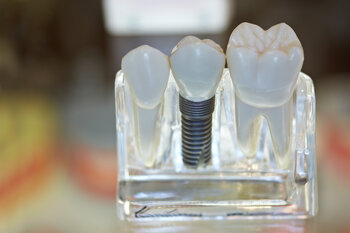
 Regular Dental Check-ups
 Control of Chronic Conditions
 The Appeal of Cheap Dental Implants
 Additional Costs Associated with Dental Implants
 Importance of a Customised Treatment Plan
 Some of the most affordable dental implants may be made of lower-quality materials or have less comprehensive aftercare.





 The process involves installing an artificial tooth root into the jawbone that will eventually fuse with the bone to create a secure base for a replacement tooth. Sometimes, a sinus lift may be necessary to create enough space in the jawbone.

 To guarantee that your implant-supported dental restorations last, it is paramount to