Dental implant procedures have gained widespread popularity for their ability to restore smiles and improve oral health. With its stunning landscapes and affordable healthcare options, Thailand has become a hotspot for dental tourism, including dental implants.
While it’s tempting to hear about the allure of getting an affordable dental implant, Thailand can pose a risk. So, it’s crucial to navigate this decision with caution and awareness.
The Anatomy Of Dental Implants: A Brief Overview
Before delving into the potential risks and red flags, let’s briefly understand what dental implants are. Implants are artificial tooth roots that get inserted (via surgery) into the jaw bone to support replacement teeth. They offer an effective solution for individuals with missing or damaged teeth, enhancing both aesthetics and functionality.
Improved Aesthetics: Dental implants improve the look of your smile since they closely mimic natural teeth.
Enhanced Functionality: Implants restore the ability to eat, speak, and chew comfortably and efficiently.
Bone Preservation: In order to stop bone loss that might happen when teeth go missing, implants stimulate the jaw bone.
Durability: If taken care of, dental implants can last a lifetime.
Confidence: Dental implants provide confidence and peace of mind, allowing you to enjoy life without worrying about missing or damaged teeth.
Okay, So Why Do People Want To Get Their Dental Implant Treatment In Thailand’s Dental Clinics?
Many individuals are drawn to the idea of getting their dental implant treatment in Thailand’s dental clinics for several compelling reasons.
Affordability
One of the primary reasons individuals consider dental implants in Thailand is the cost advantage. Dental implant treatment in Thailand may be significantly less expensive than in many Western nations.
Scenic Tourism
Thailand’s natural beauty and vibrant culture make it an appealing destination for tourists. Combining dental treatment with a vacation can seem like an ideal way to address dental needs while exploring a new and captivating country.
The Potential Risks And Red Flags
While the allure of dental implants in Thailand is undeniable, it’s essential to be aware of the potential risks and red flags that can accompany dental tourism. These include:
Quality And Safety Concerns
Varying Standards: Dental care standards can vary from one clinic to another, potentially leading to disparities in the quality of care and safety protocols.
Regulatory Differences: Dental regulations may differ between Thailand and your home country, impacting the oversight and accountability of dental clinics.
Communication Challenges
Communicating with dental professionals in a foreign country may be challenging due to language barriers. Effective communication is essential to the course of effective treatment.
Limited Post-Operative Care
Receiving post-operative care and follow-up appointments can be more challenging when you’re in a foreign country. In cases of complications or concerns, accessing your local dentist becomes less convenient.
Unforeseen Costs
While initial treatment costs may appear lower, unforeseen expenses such as travel, accommodation, and extended stays can add up.
In the pursuit of affordable dental implants, it’s crucial to approach the decision with a discerning eye and prioritise safety and quality of care.
Red Flags To Avoid When Getting Dental Implants Anywhere
Should you be considering dental implants in Thailand, Australia, or another location, you should be aware of any red flags that may indicate issues with your dental treatment. These are some crucial cautionary indicators to be mindful of:
Unusually Low Prices
While cost is a significant consideration, excessively low prices for dental implant treatment should raise concerns. Prices that seem too good to be true may indicate substandard materials or practices—prioritise quality over bargain prices to ensure the longevity and success of your dental implants.
Lack Of Proper Credentials
Verify the credentials of your chosen dentist and dental clinic. Ensure they are qualified, licenced, and accredited by relevant dental authorities. Be cautious of clinics that do not readily provide proof of their credentials or qualifications.
Inadequate Communication
For a good outcome, you and your dental team must communicate effectively. Consider getting care elsewhere if you run into language problems or don’t feel like your queries and concerns are being sufficiently handled. Clear communication is vital throughout the treatment process.
Limited Transparency
A reputable dental clinic should be transparent about the entire treatment process, including costs, procedures, and potential risks. If you encounter a lack of transparency or feel pressured into making quick decisions, it’s a red flag.
Absence Of Post-Operative Care Plans
Ask about the clinic’s post-operative care and follow-up plans. Adequate post-operative care is critical for monitoring healing, addressing any complications, and ensuring the long-term success of your dental implants. A clinic that neglects post-operative care is a cause for concern.
Unsanitary Or Unprofessional Facilities
Upon visiting the dental clinic, assess the cleanliness and professionalism of the facilities. Infection prevention and patient safety depend on a clean, well-kept environment. If you find the clinic lacking in hygiene or professionalism, consider it a red flag.
Lack Of Patient Reviews And Testimonials
Sincere patient evaluations and testimonies might give insightful information about the calibre of treatment that a dental office offers. If you find a lack of such reviews or an absence of positive feedback, exercise caution and consider seeking opinions from other sources.
Pushing For Unnecessary Procedures
Be wary of dental professionals who recommend unnecessary or excessive procedures. A reputable dentist will provide a tailored treatment plan based on your specific needs rather than pushing for treatments that don’t benefit you.
No Clear Follow-Up Protocol
Ask about the clinic’s follow-up protocol after your dental implant procedure. A thorough strategy for post-operative care and follow-up appointments is essential. The clinic’s lack of such a plan may be interpreted as a sign of their disregard for their patients’ welfare.
Limited Availability Of Information
A trustworthy dental clinic should readily provide information about the dental implant procedure, including the type of implants used, the expected outcomes, and potential risks. If you find it challenging to obtain comprehensive information, it’s a warning sign.
Being vigilant and attentive to red flags is crucial when seeking dental implant treatment, so make sure you prioritise your safety, quality of care, and long-term dental health.
101 How To Get The Right Dentist For Your Dental Implants Treatment
Your choice of dentist can have a significant influence on the outcome and safety of your implant procedure, so choose wisely. Here are some crucial things to think about while choosing a treatment centre:
Qualifications And Credentials
Begin by verifying the qualifications and credentials of the dentist. Ensure they are licensed and accredited by relevant dental authorities. Look for evidence of their education, training, and experience in performing dental implant procedures.
Experience And Expertise
Dental implantology is an advanced field within dentistry. Consider choosing a dentist with specific expertise and experience in dental implants. Advanced knowledge and skills are crucial for successful implant procedures.
Referrals And Recommendations
Consult dependable people, such as family, friends, or medical experts, for suggestions and referrals. Hearing about others’ positive experiences with a particular dentist can provide valuable insights.
Patient Reviews And Testimonials
Read patients’ dental implant reviews and testimonials about the dentist and their clinic. Online reviews and feedback from previous patients can help you gauge the quality of your anticipated dental implant surgery and dental implant brands, and the dentist’s reputation.
Technology And Equipment
Enquire about the technology and equipment used by the dentist. A dental clinic equipped with modern and advanced technologies can enhance the accuracy and precision of your treatment.
Clear Communication
A successful dental implant operation requires effective communication. Ensure you can comfortably communicate with the dentist, ask questions, and discuss your concerns. Language barriers can hinder communication, so choose a dentist with whom you can communicate clearly.
Treatment Plan
A trustworthy dentist will offer you a thorough treatment plan that is customised to meet your unique requirements. The treatment plan has to contain information about the process, anticipated results, any dangers, and related expenses.
Post-Operative Care
Enquire about the dentist’s approach to post-operative care and follow-up appointments. Adequate post-operative care is vital for monitoring healing and addressing any complications promptly.
Transparency And Informed Consent
Choose a dentist who prioritises transparency and informed consent. They should explain all aspects of the procedure, including potential risks and alternatives, allowing you to make an informed decision.
Hygiene And Safety
Assess the cleanliness and safety protocols of the dental clinic. Infection prevention and patient safety depend on a clean, well-kept environment.
Availability And Accessibility
Consider the dentist’s availability and accessibility. Make sure you can contact the clinic in case of emergencies or issues and conveniently arrange appointments.
Cost And Payment Options
Ask about the different payment alternatives and have a discussion about the cost of the dental implant treatment. While cost is a consideration, prioritise the quality and safety of care over price.
Health Insurance
If you have dental insurance, confirm whether the chosen dentist accepts your insurance plan. Understanding the coverage provided by your insurance can help manage the financial aspects of treatment.
Second Opinion
Don’t hesitate to seek a second opinion if you have doubts or uncertainties about the recommended treatment plan. A second opinion can provide additional insights and confidence in your decision.
Trust Your Instincts
Ultimately, trust your instincts when choosing a dentist. If you feel comfortable, confident, and well-informed about your treatment, you’re likely on the right path.
A successful dental implant treatment depends on selecting the proper dentist. Prioritise your oral health and long-term well-being by carefully considering these factors and making an informed decision.
Why Australia Is A Safer Option For Dental Implants
Selecting the right site for dental implant treatments is essential to ensure your care’s effectiveness, safety, and quality. Australia stands out as a safer option for dental implants for several compelling reasons:
Stringent Regulatory Standards
Australia maintains stringent regulatory standards for dental care. Dental professionals in Australia are held to the highest standards of education, training, and ethics. The Dental Board of Australia oversees the profession, ensuring dental professionals adhere to rigorous guidelines.
These standards translate into a commitment to quality assurance and patient safety. Dental clinics in Australia consistently strive to provide the highest level of care using advanced technologies and evidence-based practices.
Communication Comfort
Effective communication between you and your dental care team is paramount for a successful dental implant procedure. In Australia, English is the primary language, which means you can communicate comfortably and clearly with your dental professionals.
Clear Understanding: Clear and accurate communication ensures that you and your dental team share a comprehensive understanding of your treatment plan, expectations, and any concerns you may have. This clarity is vital for a successful outcome.
Personalised Care: Effective communication allows for more personalised care. Your dentist can better understand your unique needs and preferences, tailoring the treatment plan accordingly to optimise your oral health.
Access To Post-Operative Care
Receiving post-operative care and follow-up appointments is more convenient when you’re in your home country. You can easily access your local dentist if you have any issues or concerns.
Prompt attention to any post-operative issues or complications is vital. Being in close proximity to your dental care team in Australia ensures any concerns can be addressed without undue delay, minimising potential risks.
Health Insurance Benefits
If you have private health insurance in Australia, it may cover a portion of your dental implant treatment. Dental insurance plans in Australia often provide coverage for specific aspects of dental implant procedures, such as the crown or abutment. This coverage can significantly reduce your out-of-pocket expenses.
Health insurance offers financial security by mitigating unexpected costs that may arise during or after your dental implant procedure. It provides peace of mind to know that you have financial support in case of unforeseen circumstances.
Technological Advancements
Dental clinics in Australia frequently invest in state-of-the-art technologies and equipment. This commitment to advanced dental technology enhances the accuracy, precision, and overall quality of your dental implant treatment.
Modern equipment enables precise diagnostics, allowing for a thorough assessment of your oral health and the planning of your implant procedure.
While the allure of dental implants in Thailand and other countries may be tempting, Australia offers a safer option with its unwavering commitment to quality, clear communication, convenient access to post-operative care, potential health insurance benefits, and advanced dental technologies.
The Dental Implant Treatments: A Closer Look
Understanding the dental implant procedure is essential before embarking on this transformative journey to restore your smile and oral health. This section provides an in-depth look at the key steps involved in the dental implant process:
Initial Consultation: The first appointment with your selected dentist marks the start of the trip. During this appointment, your dentist will evaluate your oral health, go over your treatment objectives, and decide if you are a good candidate for dental implants. X-rays and scans could be performed to assess your jaw bone and plan the location of the implants.
Treatment Planning: Based on your dentist’s findings from the initial consultation, they will create a personalised treatment plan. This plan outlines the number of implants needed, their precise placement locations, and any additional procedures required, such as bone grafting or tooth extractions.
Implant Post Placement: The implant placement is the surgical phase of the procedure. Dental implant posts will be anchored to your jaw bone. Implants often comprise biocompatible materials like titanium and function as prosthetic tooth roots. This step requires precision and expertise to ensure a stable foundation for the replacement teeth.
Healing Period: After implant placement, a healing period is necessary. During this time, the implants fuse with the jaw bone through a process called osseointegration. This integration is crucial for the stability and long-term success of the implants. The healing period can range from several weeks to a few months.
Abutment Placement: Once osseointegration is complete, abutments are attached to the implants. Abutments are connectors that link the implants to the replacement teeth. To make prosthetic teeth or crowns that fit over the abutments, impressions of your mouth are obtained.
Final Restoration: The final restoration involves attaching custom-made crowns or prosthetic teeth to the abutments. A smooth and visually beautiful outcome is ensured since these restorations are painstakingly made to precisely match the colour, shape, and alignment of your original teeth.
Post-Operative Care: Following the completion of your dental implant procedure, your dentist will provide detailed instructions for post-operative care. Adherence to these directions is crucial in order to facilitate appropriate healing and reduce the likelihood of problems.
Long-Term Maintenance: Dental implants require long-term maintenance to ensure their durability and functionality. Consistent dental examinations and proper oral hygiene routines, such as brushing and flossing, are crucial for maintaining the health of your mouth.
Understanding the dental implant procedure and its various stages empowers you to make informed decisions about your oral health.
Potential Additional Procedures
To make sure that your dental implant treatment is successful, you might occasionally need to undergo extra operations. These can include:
Bone Grafting: If you have insufficient jaw bone density, bone grafting may be required to strengthen the bone before implant placement.
Tooth Extractions: Extracting severely damaged or decayed teeth may be necessary before implant placement.
Sinus Lift: When the sinus cavity encroaches on the implant site, an upper jaw sinus lift may be necessary.
Dental Implants: Avoiding Risks Associated With Missing Or Damaged Teeth
Missing or damaged teeth can expose you to a range of oral health and overall well-being risks. Dental implants offer an effective solution to mitigate these risks, providing stability and protection for your oral health:
Risk Of Dental Misalignment: Leaving gaps in your mouth due to missing teeth can lead to dental misalignment. It’s possible for nearby teeth to move into the vacant area, leading to misalignment and biting difficulties. Dental implants fill these gaps, preserving the alignment of your teeth and preventing potential dental misalignment.
Jawbone Deterioration: When teeth are lost, the underlying jawbone may begin to deteriorate due to a lack of stimulation. This can result in a weakened jawbone structure, potentially affecting facial aesthetics and the stability of adjacent teeth. Dental implants serve as artificial tooth roots, stimulating the jawbone and preventing bone loss, thus avoiding the risk of jawbone deterioration.
Speech Impairment: Missing teeth can affect your speech and pronunciation. It can lead to difficulties in articulating sounds and words clearly. Dental implants restore your ability to speak effectively and confidently by providing stable anchors for your replacement teeth, thus avoiding the risk of speech impairment.
Digestive Problems: Efficient chewing is essential for the digestive process. Missing teeth can make it difficult to chew food properly, potentially leading to digestive issues. Dental implants restore your ability to chew efficiently, aiding in digestion and helping avoid digestive problems.
Oral Health Complications: The spaces created by missing teeth can harbour germs and food particles, raising the risk of decay, infections, and gum disease. Dental implants fill these gaps, reducing the likelihood of oral health complications, such as gum disease, and avoiding associated risks.
Aesthetic Concerns: The physical appearance of missing or damaged teeth can impact self-esteem and confidence. Dental implants address aesthetic concerns, allowing you to smile, speak, and engage with others without worrying about the risks associated with aesthetic concerns.
Long-Term Stability: Dental implants provide long-term stability and durability. With proper care and maintenance, they can last a lifetime. This long-term stability avoids the risk of repeated dental procedures and potential complications.
Gum And Tissue Health: Gaps from missing teeth can affect the health of your gums and oral tissues. Dental implants help maintain gum and tissue health by providing a stable foundation for replacement teeth, thus avoiding the risk of gum and tissue problems.
Functional And Comfortable: Dental implants function like natural teeth, offering comfort and ease when eating, speaking, and smiling. They do not require special maintenance beyond regular oral hygiene practices, avoiding the risk of discomfort and inconvenience.
Frequently Asked Questions
Are there any age restrictions for dental implants?
Dental implants are suitable for most adults, but age alone is not a determining factor. Your overall health and the condition of your jawbone are more critical considerations. Your dentist will assess your eligibility for dental implants based on your specific circumstances.
How do I care for dental implants?
Caring for dental implants is similar to caring for natural teeth. Maintain good oral hygiene by brushing, flossing, and attending regular dental check-ups. Your dentist will provide specific care instructions tailored to your implant-supported restorations.
Can dental implants help with denture stability?
Yes, dental implants can significantly improve denture stability. Implant-supported dentures provide a secure and stable fit, eliminating the risk of denture slippage or discomfort often associated with traditional dentures.
Are there any risks or complications associated with dental implants in Thailand?
Dental implants are generally safe; like any surgical procedure, there can be risks and potential complications when one thing isn’t done precisely. These may include infection, implant failure, nerve damage, or sinus problems. It’s crucial to choose a qualified dentist and follow post-operative care instructions to minimise these risks.
How much do dental implants cost?
The number of implants necessary, the requirement for further treatments, the kind of restoration (crowns, dental implant bridges, or dentures), and the clinic’s location can all affect the price of dental implants. It’s advisable to obtain a personalised treatment plan and cost estimate from your dentist.
Prioritising Your Dental Health And Safety
Although the reduced cost of dental implants in Thailand and other nations may sound alluring, it’s important to take into account the possible hazards and uncertainties that might come with international dental tourism. When making decisions, the following factors should come first: quality, safety, and long-term advantages.
Ultimately, your journey to restored oral health and a confident smile begins with informed decision-making. Choose qualified implant dentists, prioritise safety, and embrace the transformative potential of dental implants for a brighter and healthier future.
Ready to replace your missing teeth with high-quality implants in the comfort of your home country? Call Pearl Dental Care at (02) 9158 6312, and our friendly team will help you take the first step towards your new smile!
Note: Any surgical or invasive procedure carries risks. Before proceeding, you should seek a second opinion from an appropriately qualified health practitioner.
Sources:
5 Reasons Why Dental Implants Are So Popular | College of Dentistry | University of Illinois Chicago. dentistry.uic.edu/news-stories/5-reasons-why-dental-implants-are-so-popular.
Adams, Lina. “Beware of Language Barriers, Dental Tourists Warned – Dentistry.” Dentistry.co.uk, 30 Aug. 2023, dentistry.co.uk/2023/08/24/beware-of-language-barriers-dental-tourists-warned.
Bsdh, Laurie Magallan Rdh. “Dental Tourism: Making Patients Aware That the “Bargain” Could Be a Big Mistake.” Today’s RDH, 16 June 2023, www.todaysrdh.com/dental-tourism-making-patients-aware-that-the-bargain-could-be-a-big-mistake.
Center for Devices and Radiological Health. “Dental Implants: What You Should Know.” U.S. Food And Drug Administration, 29 Oct. 2021, www.fda.gov/medical-devices/dental-devices/dental-implants-what-you-should-know.
Colgate. “Dental Tourism: 5 Risks of Traveling for a Dental Procedure.” Colgate, 10 Mar. 2022, www.colgate.com/en-us/oral-health/dental-visits/dental-tourism-5-risks-of-traveling-for-a-dental-procedure.
Dental Implants Help Avoid Risks From Missing Teeth. www.click4teeth.com/feature-articles/the-problems-caused-by-missing-teeth-and-how-dental-implants-can-help.
Howley, Elaine K., and Patric Cohen. “How to Find a Good Dentist.” US News & World Report, 20 Apr. 2022, health.usnews.com/health-care/patient-advice/articles/how-to-find-a-good-dentist.
Ryu, Jenna. “The Biggest Red Flags to Watch Out for at the Dentist.” SELF, 19 Sept. 2023, www.self.com/story/dentist-red-flags.
Sinus Lifts for Implant Treatment | Bupa Dental Care. www.bupa.co.uk/dental/dental-care/treatments/dental-implants/supporting-treatments/sinus-lifts.
Whelan, Corey. “Everything to Know About a Dental Implant Procedure.” Healthline, 3 May 2021, www.healthline.com/health/dental-and-oral-health/dental-implant-procedure.
Welcome to our in-depth exploration of All-on-4 dental implants, a revolutionary approach in restorative dentistry. This innovative procedure has transformed how we think about dental implants and teeth replacement, especially for those with missing teeth, significant bone loss, or dissatisfaction with traditional dentures. Full mouth dental implants provide a comprehensive solution that leverages the strength of just four dental implants to secure a full arch of prosthetic teeth. This method is particularly beneficial for those who might otherwise require extensive bone grafting due to reduced bone density in the jaw bone.
Unlike conventional dental implant procedures, the full mouth technique reduces the need for painful bone grafting, making it a more comfortable option for many. This approach strategically places four titanium dental implants with adequate bone tissue in jaw areas, offering a stable and long-lasting foundation for the new teeth. The design of the implant fixtures also allows for immediate function, giving patients fixed teeth soon after the implant placement.
Throughout this blog, we delve into the nuances of the full mouth procedure, from the initial consultation to the final teeth placement. We’ll explore how this method not only replaces missing teeth but also enhances oral health and restores the natural aesthetics of your smile. By embracing the latest advancements in dental technology, full-mouth dental implants present a revolutionary teeth replacement method that offers fewer implants yet maximum efficiency and aesthetic appeal.
Understanding Full Mouth Dental Implants
Full-mouth dental implants, including the popular full mouth dental implants, offer a comprehensive solution for those with missing teeth. This advanced restorative dentistry technique involves using four dental implants to anchor a full arch of prosthetic teeth, providing a permanent, natural-looking solution. Unlike traditional dentures, these fixed dental implants are designed to mimic natural teeth in function and appearance.
The process begins with an initial consultation, where the implant dentist evaluates the jaw bone’s bone density and structure, which is crucial for successful dental implant placement. In cases of reduced bone density, often due to advanced gum disease or bone loss, bone grafting may be necessary to ensure adequate bone volume for the implants.
Dental implant procedures have evolved significantly, reducing the need for painful bone grafting procedures. Techniques like zygomatic implants, which utilise the denser bone of the sinus cavities, offer alternatives when traditional posterior implants are not feasible. This innovation is a testament to the ongoing advancements in the dental industry, particularly in implant technology.
The surgical procedure for placing these titanium dental implants is less invasive than conventional dental implant procedures, often allowing for fewer implant fixtures and a quicker recovery. Oral hygiene plays a crucial role post-surgery in maintaining dental health and prolonging the lifespan of the implants.
Once healed, the final teeth – a set of custom-made, fixed prosthetic teeth – are attached to the implants. This teeth replacement method ensures that the new teeth function like natural teeth, improving overall dental function and facial features. Unlike traditional dentures, there is no slippage, offering comfort and confidence in everyday activities.
In summary, full-mouth dental implants, particularly the full mouth method, represent a significant leap in dental treatments, providing patients with a durable, functional, and aesthetic solution for missing teeth.
Factors Influencing the Cost of Full Mouth Dental Implants
When considering full-mouth dental implants, it’s essential to understand the various factors that influence their cost. This comprehensive dental solution, often involving all four dental implants or other methods, is a significant investment in oral health and overall quality of life. Here are the key factors that affect the cost of these procedures:
Type of Implant Procedure:
Choosing conventional dental implant procedures and more modern approaches like full mouth dental implants can impact the cost. All four dental implants, which use just four implants to replace all teeth in a jaw, might be more cost-effective than traditional methods requiring more implants and extensive surgical procedures.
Quality and Material of Implants:
The use of high-grade materials, such as titanium dental implants, is a crucial factor. These materials ensure durability and compatibility with the jaw bone but also add to the overall cost.
The complexity of the Case:
Each patient’s needs are unique, and factors like the number of missing teeth, the condition of the remaining teeth, and the health of the jaw bone (including the need for bone grafting in cases of bone loss) will affect the complexity and cost of the dental implant placement.
Additional Dental Treatments:
Other dental treatments are often necessary to prepare for implants, such as gum disease treatment or decayed teeth extraction. These additional procedures will add to the overall cost.
Dental Clinic and Location:
The choice of dental clinic and location plays a significant role. Clinics in urban areas or those with state-of-the-art facilities and experienced implant dentists might charge more.
Laboratory and Technological Expenses:
The cost also includes expenses related to the dental laboratory, where your new teeth are crafted, and the use of advanced dental technology for procedures like implant placement and natural-looking teeth creation.
Sedation and Anaesthesia:
Depending on the surgical procedure and the patient’s comfort level, costs for sedation or anaesthesia during the implant surgery can vary.
Aftercare and Maintenance:
Post-procedure care, including follow-up visits and maintenance of the implants, can also influence the overall financial commitment.
Considering these factors, it’s clear that the cost of full-mouth dental implants is not a one-size-fits-all figure. Each patient’s situation, preferences, and oral health needs significantly determine the final price.
Insurance and Dental Implants
Navigating the world of insurance coverage for dental implants can be complex, particularly for those considering advanced options like full mouth dental implants. Dental implants are typically seen as elective procedures, meaning standard dental insurance policies do not always cover them. However, the landscape is changing, and more insurance companies are recognising the long-term benefits of dental implants over traditional dentures or bridges.
When considering dental implants, whether it’s for a single tooth, multiple dental implants, or full-mouth dental implants, it’s crucial to consult with your insurance provider. Some policies may cover certain aspects of the implant procedure, such as the surgical placement of the titanium dental implants, but might not cover the prosthetic teeth or additional procedures, like bone grafting, necessary for patients with bone loss.
For those with missing teeth due to gum disease or decayed teeth and who require restorative dentistry, it’s important to understand the specifics of your insurance plan. The coverage often varies depending on the cause of tooth loss and the procedure’s necessity. For instance, dental implant procedures necessitated by periodontal disease might be partially covered.
It’s also worth considering alternative insurance plans or supplemental dental insurance that offers more comprehensive coverage for dental treatments involving implants. These plans might cover a portion of the costs of the implant fixtures, implant placement, and the final teeth, making the procedure more accessible.
In some cases, medical insurance may cover dental implants, especially if the need for implants results from an injury or a medical condition affecting the jaw bone or oral health. It’s essential to have an initial consultation with your implant dentist and insurance provider to explore all available options for coverage.
Understanding the insurance landscape for dental implants, including full mouth dental implants, is key to making informed decisions. While coverage varies, exploring all your insurance options can significantly reduce the financial burden and make the path to new teeth more attainable.
Financing Options for Dental Implants
Financing dental implants, especially comprehensive treatments like all four can be a significant concern for many patients. Understanding the various financing options is crucial to making this vital dental treatment accessible. Here are some financing avenues you might consider:
Dental Insurance:
Some dental insurance plans may cover a portion of the cost of dental implants, particularly if the procedure is deemed medically necessary. It’s important to check with your insurance provider to understand what aspects of the dental implant procedures, such as bone grafting or the surgical procedure itself, are covered.
Payment Plans and Dental Clinics:
Many dental clinics, recognising the financial burden of procedures like full-mouth or four dental implants, offer payment plans. These plans can spread the cost over several months or even years, making the treatment more manageable.
Healthcare Credit Cards:
Healthcare credit cards are designed for medical and dental treatments, offering flexible payment options for procedures not typically covered by insurance, like dental implants.
Dental Discount Plans:
Some dental discount plans offer reduced rates on dental treatments, including dental implants. These plans require a membership fee but can provide significant savings on various dental procedures.
Personal Loans or Lines of Credit:
Personal loans or lines of credit from financial institutions can be used to finance dental treatments. While this option involves interest, it provides the flexibility to cover the entire cost of the treatment.
Government Programs or Non-Profit Organisations:
In certain cases, government assistance programs or non-profit organisations may offer support for dental treatments, especially for those with medical necessity or low-income individuals.
Each option has benefits and considerations, and it’s important to explore all available avenues to find the one that best fits your financial situation.
Risks and Complications
While dental implants, including all four dental implants, offer a revolutionary solution for missing teeth, it’s important to be aware of potential risks and complications associated with these procedures. Understanding these risks can help you make an informed decision and prepare adequately for your dental treatment.
Implant Failure:
One of the main risks is the failure of the implant to integrate with the jaw bone properly. This can be due to several factors, including inadequate bone tissue, poor oral hygiene, or the body’s rejection of the implant.
Infection and Gum Disease:
Post-surgical infection or the exacerbation of existing gum disease can occur around the implant site. Proper dental care and following the implant dentist’s instructions are crucial to minimise this risk.
Bone Grafting Complications:
For patients with reduced bone density, bone grafting might be necessary before implant placement. This additional procedure carries its risks, including infection and graft failure.
Nerve Damage:
During the surgical procedure, there is a small risk of nerve damage, which can lead to numbness or tingling in the lower teeth, gums, lips, or chin.
Sinus Issues:
For implants in the upper jaw, there is a risk of sinus cavity involvement, leading to sinusitis or other complications.
Prosthetic Complications:
Issues with the prosthetic teeth, such as improper fit or wear over time, can necessitate adjustments or replacements.
Cosmetic Concerns:
In some cases, the final teeth may not achieve the desired aesthetic outcome, requiring further cosmetic dentistry.
Long-term Oral Health:
Poor oral hygiene after the implant procedure can lead to long-term complications, affecting both the implants and the remaining natural teeth.
Long-term Costs and Considerations of Dental Implants
When considering dental implants, whether it’s for a few missing teeth or a full set with full mouth dental implants, it’s important to understand the long-term financial implications. The initial cost of dental implants can be higher than traditional dentures, but they offer significant durability, functionality, and appearance benefits.
The upfront cost includes the surgical procedure for implant placement, the titanium dental implants themselves, and the final prosthetic teeth. This can add to the initial expense if bone grafting is required due to bone loss. However, considering the longevity of dental implants, which can last a lifetime with proper care, they can be more cost-effective in the long run compared to traditional dentures, which often need to be replaced every 5 to 7 years.
Another consideration is the cost of maintenance. Dental implants require the same care as natural teeth, including regular brushing, flossing, and dental check-ups. While there’s no need for adhesives or special cleaners, as with dentures, the ongoing cost of maintaining good oral hygiene and dental health should be factored in.
For those opting for advanced solutions like full mouth dental implants, where only four implants support an entire arch of teeth, the cost can be higher, but the outcome is a more stable and natural-looking set of teeth. This method also tends to involve fewer implant fixtures and less invasive procedures, which can mean fewer expenses related to surgical complications or prolonged treatments.
In summary, while the initial cost of dental implants can be higher than other teeth replacement methods, their durability, functionality, and aesthetic benefits make them a worthwhile long-term investment. Patients should consider the upfront and ongoing costs when choosing the best teeth replacement method.
Conclusion
As we reach the end of our comprehensive exploration of the full mouth dental implants, it’s clear that this advanced dental solution represents more than just a medical procedure; it’s an investment in your health, confidence, and quality of life. While the initial cost might seem daunting, the long-term benefits – durability, functionality, and a natural-looking smile – make the full mouth implants a worthwhile investment.
At Pearl Dental Care, we understand that navigating the financial aspects of dental implants can be challenging. That’s why our team of experts is dedicated to providing you with detailed information, personalised care, and a range of financing options to ensure that your journey towards a renewed smile is as smooth and accessible as possible.
Remember, the value of full mouth dental implants extends beyond the aesthetics. They offer a permanent solution to missing teeth, enhancing oral health and preventing bone loss, crucial for maintaining your facial structure and overall dental function. With these implants, you’re not just restoring your smile but preserving your health.
We encourage you to take the next step towards a happier, healthier smile. Visit Pearl Dental Care to explore your options and see how full mouth dental implants can transform your life. Our experienced team is ready to guide you through every stage of the process, ensuring you receive the best care possible.
Don’t let financial concerns prevent you from achieving the smile you deserve. Call us today at 02 9158 6312 to schedule a consultation. Let’s find a solution that fits your needs and budget, paving the way to a brighter, more confident future.
Note: Any surgical or invasive procedure carries risks. Before proceeding, you should seek a second opinion from an appropriately qualified health practitioner.
Dental implant surgery is an exemplary solution when it comes to achieving a radiant smile and restoring the functionality of your teeth. Among the various options available, full-arch dental implants have emerged as a game-changer, providing a comprehensive and cost-effective way to replace missing teeth and rejuvenate your oral health. In this detailed guide, we will dig into the realm of the full arch, or “All 4 Dental Implants’,” cost and investigate its availability in Australia.
We’ll unravel why choosing these implants can be a substantial investment, especially when opting for high-quality solutions within the country.
Along the way, we’ll discuss the factors influencing the cost of dental implant procedures, the advantages of choosing full arch implants over single tooth replacements, and the risks of not replacing missing teeth.
Are you ready to discover this transformative dental surgery and understand why it is becoming the preferred choice for countless Australians who want to protect their remaining teeth?
Let’s embark on this journey to unveil the true worth of your smile.
The Value Of Full-Mouth Implants: A Wise Investment For Missing Teeth
Choosing to invest in dental implants, specifically full-mouth dental implants, is a decision that goes beyond just cosmetic enhancements.
It’s an investment in your oral health, overall well-being, and quality of life. Here, we explore the various reasons why opting for full-arch dental implants can be one of the smartest decisions you can make for your dental future.
Comprehensive Solution For Full-Arch Restoration
Full-arch implants provide a comprehensive alternative for replacing a full arch of teeth, whether in the upper or lower jaw, as opposed to single-tooth implants. This implies that four carefully placed implants can replace a whole set of teeth.
This approach reduces the procedure’s complexity and minimises costs compared to replacing each tooth individually.
Improved Oral Functionality
Missing teeth make you unable to talk and bask in your favourite meals. Full-arch dental implants provide stable and strong support for your dental prosthesis, enabling you to regain the functionality of natural teeth.
Whether biting into an apple or savouring a hearty meal, you’ll experience improved chewing efficiency and greater comfort.
Enhanced Aesthetics And Confidence
A lovely grin may improve your self-esteem and confidence. Full-mouth dental implants offer a natural appearance that seamlessly integrates with your existing teeth. They not only look like real teeth but also feel like them.
With a complete and attractive smile, you’ll be more inclined to showcase your confidence and engage in social interactions without hesitation.
Long-Term Durability
Investing in quality dental implants ensures that your smile remains vibrant and functional for years to come. Full-arch dental implants are known for their durability and longevity.
Proper care and maintenance can be a permanent solution, sparing you the inconvenience and costs associated with frequent replacements or repairs.
Preservation Of Jaw bone And Facial Structure
When teeth fall out, the jawbone deteriorates, causing changes in your facial structure.
“All-teeth-on-four” dental implants not only replace missing teeth but also stimulate the underlying bone, helping to preserve your facial contours and maintain a youthful appearance.
Enhanced Speech
Missing teeth can affect your speech, leading to difficulties in pronunciation and diction. With “all-teeth-on-four” dental implants, you’ll notice improved speech clarity, allowing you to communicate confidently and effectively.
By choosing full-arch dental implants, you’re not just investing in a cosmetic enhancement but securing your oral health and well-being for the long haul.
The advantages of this innovative dental solution extend far beyond aesthetics, making it a wise investment in your future smile.
Factors Influencing the Cost Of All 4 Dental Implants In Australia
The cost of full-arch dental implants can vary widely from one patient to another. Several factors come into play when determining the overall expense of this dental procedure.
The location of your chosen dental clinic can significantly impact the cost of full-arch dental implants. Dental services in major cities like Sydney, Melbourne, and Brisbane are more expensive than those in regional areas. It’s essential to consider travel expenses if you opt for a clinic in a different city.
Dentist’s Experience And Qualifications
The expertise and qualifications of the dentist performing the procedure can influence the cost. Highly experienced and reputable dentists may charge more for their services, but their expertise often ensures successful and long-lasting results.
Preparatory Procedures
Sometimes, patients may require additional dental work before full-arch dental implants can be placed. Procedures like tooth extractions, bone grafting, or treatment for gum disease can increase the overall cost. The complexity of your case and the number of preparatory treatments needed will affect the final price.
Material Selection
The materials chosen for your dental implants and prosthetic teeth might have an impact on the cost. High-quality materials are more expensive, but they provide excellent beauty and lifespan. Discuss material possibilities with your knowledgeable dentist in order to make an educated selection based on your budget and preferences.
Dental Laboratory Fees
Dental laboratories are crucial in creating custom prosthetic teeth that match your natural smile. Laboratory fees can vary, and these costs are often passed on to the patient. High-quality dental laboratories may charge more for their craftsmanship.
Additional Services
Some dental clinics may include additional services like post-operative care, follow-up appointments, and warranties in their package prices. Be sure to enquire about what is included in the cost and whether hidden fees exist.
Dental Insurance Coverage
Depending on your policy, dental insurance may cover a portion of the cost of full-arch dental implants. Verify with your insurance company to see whether you have coverage and if there are any restrictions or waiting periods.
Payment Plans And Financing Options
To make full-arch dental implants more accessible, several dental clinics offer flexible payment plans or financing alternatives. Explore these options with your dentist to find a suitable plan that fits your budget.
Initial Consultation
Your first consultation with the dentist may come with a separate fee. The dentist will analyse your dental health, explain treatment choices, and give a tailored treatment plan, including cost estimates, during this consultation.
By considering these factors and discussing them with your dentist, you can clearly understand the cost associated with full-mouth dental implants.
Making sound decisions that are compatible with your financial circumstances and dental demands is critical.
Why Choose Full-Mouth Dental Implants Over Single-Tooth Implants As Replacement Teeth
When replacing multiple missing teeth, patients often choose between full-arch and single-tooth implants for each missing tooth.
Both options have their advantages, but there are compelling reasons why many individuals opt for the comprehensive solution of full-mouth dental implants.
All-Encompassing Solution
Full-mouth dental implants offer a comprehensive solution for full-arch restoration. This implies placing all fake teeth on 4 implants to restore a full arch of lost teeth. In contrast, using single-tooth implants for each missing tooth can be time-consuming and costly, especially when several teeth are missing.
Cost-Effective
From a cost perspective, full-arch dental implants are often more cost-effective than placing individual implants for each missing tooth. Fewer implants mean fewer surgical procedures and less overall expense. It’s a practical choice for those seeking a full smile restoration without breaking the bank.
On average, a full-arch dental implant’s cost kicks off at $30,000 per arch, whereas the cost of single-tooth implants starts at $2,850 per tooth. That’s $15,600 that you get to save in your pocket.
Reduced Surgical Procedures
When you choose full-mouth dental implants, you benefit from fewer surgical procedures. The procedure involves the placement of just four implants per arch, reducing the time spent in the dental chair and minimising recovery time. In contrast, placing individual implants for multiple missing teeth may require numerous surgeries and extended healing periods.
Faster Results
Full-mouth implants offer a faster path to a smile makeover. With the strategic placement of four implants, you can enjoy a new set of teeth sooner than if you undergo individual implant surgeries, which may be spaced out over an extended period.
Bone Preservation
Individual tooth implants may require additional bone grafting procedures if insufficient jawbone supports the implants. Full-mouth implants are often a viable option for patients with some degree of bone loss because they can use the available bone more efficiently.
Improved Oral Function
With full-arch dental implants, you can experience a significant improvement in oral function. Whether it’s eating, speaking, or smiling confidently, these implants provide the stability and strength needed to restore full oral function.
Aesthetically Pleasing
Full-mouth dental implants provide a stable foundation for prosthetic teeth that look and feel natural. This comprehensive solution ensures that your new smile is functional and aesthetically pleasing.
Reduced Maintenance
Maintaining full-arch dental implants is more straightforward than caring for individual tooth implants. You can clean and care for your new teeth as you would your natural teeth, making your daily oral hygiene routines more manageable.
Full-mouth dental implants offer a cost-effective, time-efficient, and comprehensive solution for those seeking to replace multiple missing teeth. While individual tooth implants have their place in dentistry, the convenience and benefits of full-arch implants make them an attractive choice for many patients.
Risks Of Not Getting Full-Arch Dental Implants
Neglecting to address missing teeth can lead to various oral health issues and significantly impact your overall well-being.
Here are the risks and consequences associated with not getting the so-called “All 4” full-arch dental implants or failing to address missing teeth properly:
Deterioration Of Oral Health: Missing teeth can contribute to many oral health problems. Adjacent teeth may shift into the gaps, leading to misalignment. This can lead to biting problems, jaw discomfort, and a greater likelihood of tooth decay and gum disease.
Bone Loss: Given the lack of stimulation, the underlying jawbone may degenerate when teeth are absent. Over time, this bone loss can affect facial structure, giving the face a sunken appearance.
Decreased Chewing Efficiency: Missing teeth can make chewing and eating a challenge. You may struggle to enjoy certain foods, leading to nutritional deficiencies.
Speech Impairments: Gaps from missing teeth can affect your ability to speak clearly, leading to speech impediments that impact your communication.
Reduced Confidence: A smile with missing teeth can lead to self-esteem issues and reduced confidence in social and professional settings.
Aged Appearance: Tooth loss and bone resorption can cause premature ageing by altering facial contours. This might give you an older appearance.
Compromised Facial Support: Missing teeth can affect the support structure of your face, leading to changes in lip and cheek contours.
Limited Treatment Options: Delaying treatment for missing teeth can limit your options in the future. As time passes, bone loss may make it more challenging to place dental implants, including full-arch dental implants.
Impact On Overall Health: Oral health is closely linked to overall health. Missing teeth, for example, can lead to systemic health concerns, including cardiovascular disease and diabetes, if left untreated.
Emotional Impact: The emotional toll of living with missing teeth should not be underestimated. It can have a negative impact on your mental and emotional health, leading to anxiety and sadness.
Adjacent Teeth Wear: Without the support of missing teeth, adjacent teeth may bear more pressure during biting and chewing, causing them to wear down more quickly.
Costly Future Treatments: Delaying the restoration of lost teeth may need more comprehensive and costly dental operations in the future.
Functional Limitations: Missing teeth can limit your ability to enjoy various foods, impacting your overall quality of life.
Neglecting to address missing teeth or not opting for full-arch on 4 dental implants can have far-reaching consequences for your oral and overall health.
It is critical for you to speak with a dental expert to determine the best treatment method for your specific needs and avoid these hazards.
Frequently Asked Questions
Are all four dental implants more expensive than traditional dentures or single-tooth implants?
While the initial cost of full-arch dental implants may appear higher than traditional dentures or individual tooth implants, they often provide better long-term value. Full-mouth dental implants offer enhanced stability, comfort, and durability, reducing the need for frequent adjustments and replacements associated with other options.
Can I use dental insurance to cover the cost of full-mouth dental implants?
Dental insurance plans vary widely in coverage, and many do not fully cover the cost of full-arch dental implants. However, for coverage choices, you must contact your insurance carrier. Specific dental insurance coverage may cover particular facets of treatment, such as consultations or follow-up visits.
Are there financing options available to help with the cost of full-arch dental implants?
Many dental clinics provide financing solutions to patients in order to make full-arch implants more affordable. These financing plans often allow you to spread the cost over manageable monthly payments, making the treatment more budget-friendly.
How long does the entire full-mouth implant procedure take?
The length of the full-mouth implant operation might vary based on the person’s overall oral health and the need for any additional treatments like bone grafting. However, the process typically spans a few months. This timeline includes the initial consultation, planning, implant placement, and final restoration stages.
Are there any age restrictions for getting a full arch on four dental implants?
Full-arch implants are suitable for adults of various ages. Your candidature depends more on your overall health and dental condition than your age. A thorough examination by a trusted dentist can establish whether or not you are a good candidate for the procedure.
How do I choose the right dental clinic for full-mouth implants?
Choosing a trustworthy dental centre for your full-mouth dental implant surgery is critical to its success. Look for a clinic with experienced dentists, a track record of successful cases, and positive patient reviews—schedule consultations with different clinics to discuss your needs and treatment plan.
What should I expect during the recovery period after getting full-arch implants?
The recovery period varies from person to person but typically involves some initial discomfort, swelling, and dietary restrictions. Your dental team will provide detailed post-operative care instructions for a smooth recovery. Follow-up consultations are required to track your progress.
Can I get full-arch implants if I have gum disease or other dental issues?
Gum disease or other oral disorders may necessitate extra treatments or processes before receiving full-arch dental implants. A thorough examination by a dental professional will determine your eligibility and the necessary treatments to address any underlying issues.
Is it possible to get temporary teeth while waiting for the final full-mouth dental implant restoration?
Yes, temporary teeth, often referred to as “temporary removable dentures” or “immediate load prosthetics,” can be provided during the healing period after full-arch implant placement. While you wait for the ultimate repair, you may retain functionality and appearance with these temporary teeth.
How long do full-mouth dental implants last, and how do I care for them?
Full-arch dental implants can last decades with proper care and maintenance. Brushing, flossing, and frequent dental check-ups are all important oral hygiene practices to maintain the longevity of your implants. Your dental experts will give you personalised care instructions.
Getting Your Dental Implant Treatment
Investing in your oral health benefits your entire health and quality of life. When addressing the challenge of missing teeth, full-mouth dental implants emerge as a remarkable solution that helps you achieve natural-looking results.
Choosing a full-arch dental implant made in Australia ensures superior quality and the peace of mind that comes with receiving treatment from experienced professionals in a regulated healthcare environment. While cheap dental implants abroad may be tempting, they often lack the rigorous quality standards and follow-up care Australian clinics provide for your final teeth.
Don’t let missing teeth hold you back. Set up an appointment with an expert dental professional to discuss your available options and begin your path towards a brighter, healthier smile with full-arch dental implants.
Ready to get your full-mouth dental implants? Call Pearl Dental Care at (02) 9158 6312, and our friendly dental experts will be happy to help you with your dental implant procedure.
SOURCES:
“Are Dental Implants Covered by Health Insurance?” Health Times, healthtimes.com.au/hub/allied-health/66/news/ht1/are-dental-implants-covered-by-health-insurance/4611.
Bhatiya, Rehan. “Understanding the Factors Influencing Dental Implants Cost.” Medium, 25 Aug. 2023, medium.com/@rehanbhatiya/understanding-the-factors-influencing-dental-implants-cost-79de6517a8da.
Hart, Lydia. “Dental Implants – We Drill Down Into the Potential Costs.” Canstar, 22 June 2022, www.canstar.com.au/health-insurance/dental-implants.
Kadam, Dr. Shilpa. 7 Surprising Consequences of Not Replacing Missing Teeth. 1 Oct. 2020, www.practo.com/healthfeed/7-surprising-consequences-of-not-replacing-missing-teeth-42312/post.
Norahndlovu. “A Deep Dive Into the Benefits of All-on-4 Implant Dentistry.” Rising Sun Newspapers, 17 Oct. 2023, risingsunnewspapers.co.za/274241/a-deep-dive-into-the-benefits-of-all-on-4-implant-dentistry.
Taruna, M., et al. “Prosthodontic Perspective to All-On-4® Concept for Dental Implants.” Journal of Clinical and Diagnostic Research, JCDR Research and Publications Private Limited, Jan. 2014, https://doi.org/10.7860/jcdr/2014/9648.5020.
Dental care, especially involving procedures like dental implants, varies in cost across regions and practices. Understanding the cost of dental implants is vital for Australians pondering dental implant treatment. These implants, whether for multiple teeth or just a single tooth implant, provide a durable solution for missing or damaged teeth. Fixed into the jaw bone, these implants offer the feel and function of natural teeth, making them a preferred option over alternatives like dental bridges. But be prepared: the cost of dental can surge depending on the intricacy of the dental procedure, potential bone grafting, and the quality of materials chosen for the implant. Dental health is an investment, and considering the myriad of benefits implants provide, they’re often worth the expense.
What Are Dental Implants?
Dental implants have emerged as a leading dental treatment in Australia when addressing missing teeth or replacing poorly fitting dentures. Dental implants are titanium posts surgically positioned into the jaw bone beneath the gum line. Once in place, they provide a secure foundation for replacement teeth or bridges. These implants closely mimic natural teeth in terms of function and aesthetics. While undergoing the dental implant procedure, the dentist might also recommend bone grafting in cases where the jaw bone isn’t thick enough or is too soft. Various factors, including the dental practice and any additional procedures required, influence the cost of dental implants in Australia.
Benefits of Dental Implants
Navigating the array of dental treatments available today can be overwhelming, especially when considering solutions for missing teeth. Dental implants, while bearing an initial cost, offer benefits that make them a gold standard in modern dental care in Australia.
Diving into the durability aspect, dental implants boast unmatched longevity. Their sturdy nature comes from the biocompatible materials used in dental implant procedures, primarily titanium. This ensures they fuse effectively with the jaw bone, creating a bond that can last a lifetime. The long-term value becomes evident when you consider the longevity and juxtapose it against the cost of dental implants in Australia. These aren’t temporary fixes like some dental bridges but permanent solutions.
From an aesthetic perspective, dental implants shine brightly. They are meticulously designed to replicate the look and feel of natural teeth. Whether a single or full-mouth dental implant, the result is a beautiful, natural-looking smile. Gone are the days when dental treatments left discernible differences in the mouth; modern dental implant treatments ensure a seamless blend with your natural teeth.
Another significant advantage of dental implants is their ability to combat bone loss. The absence of a tooth can gradually lead to bone deterioration in the jaw, as it misses the stimulation that a tooth root provides. Dental implants act as an artificial tooth root, offering the necessary stimulation and preventing further bone loss. This is invaluable for maintaining facial structure and preventing the “sunken” appearance often accompanying significant bone loss.
On the front of comfort and convenience, dental implants are game-changers. They rid one of the common inconveniences associated with removable dentures or bridges. There’s no nightly removal, dietary restrictions, or slippage. Once the dental implant surgery is complete and healing has occurred, individuals can relish the joys of having teeth that feel natural.
While the cost of dental implants in Australia may be an essential factor, the plethora of benefits, from aesthetics to health implications, underscores their worth.
Factors Influencing the Cost of Dental Implants
The transformative impact of dental implants on individuals’ smiles and confidence is undeniably profound. However, understanding the cost variations is essential when considering dental implants in Australia.
The Type of Dental Implant
Whether replacing a missing tooth or aiming for a complete transformation with full-mouth dental implants, the type of implant will significantly determine the cost. A single dental implant will inevitably be more affordable than multiple tooth implants or a complete arch. Discover more.
Materials Utilised
The dental implant material can swing the price. The implant’s post, usually made of titanium, merges with the jawbone, while the crown could be made from various materials, each with its price tag. Choosing between ceramic dental implants, porcelain crowns, or other options can affect the final bill.
Procedure Complexity
At times, dental implant placement is a process that takes time. If there’s inadequate jaw bone to support the implant, bone grafting becomes essential. Similarly, a sinus lift may be needed for implants in the upper jaw. These supplementary procedures can heighten dental implant costs.
Geographic and Clinical Factors
Just as the cost of dental care varies depending on the location, so does the price of dental implants. Urban dental practices, especially those with a stellar reputation, might charge more than their counterparts in less densely populated regions.
Dentist’s Expertise
The hands performing the dental implant procedure are pivotal in determining the cost. An experienced dentist, well-versed in complex cases and known for impeccable results, might have higher fees.
Diagnostic Add-ons
The journey to getting dental implants might involve several diagnostic steps. Whether it’s a simple X-ray, a CT scan, or other evaluations, these preparatory steps can add to the overall cost of the dental implant treatment.
Average Costs in Australia
When embarking on restoring oral health with dental implants, Australians often seek clarity on the potential costs. Here’s a detailed insight into what one might expect:
Initial Consultation
The first step towards obtaining dental implants is a comprehensive evaluation. This consultation gauges the patient’s suitability and provides a roadmap for the treatment ahead. Australians can expect to pay around AUD 100 for this assessment.
Pre-procedure Diagnostics
Precision is crucial in dental implant procedures. Diagnostics, including X-rays or even detailed CT scans, offer a clear view of the oral structure. These crucial diagnostics generally can be around AUD 100.
The Implant Itself
Dental implants, made from biocompatible materials, act as an artificial tooth root. Depending on the type and brand, the implant price for a single implant in Australia might be around AUD 2,000.
Crown or Prosthetic
A dental crown or prosthetic completes the dental implant treatment, replicating the appearance of natural teeth. Depending on the material and intricacy, the price for this component can be around AUD 1,000.
Aftercare and Follow-ups
Regular follow-ups post the dental implant procedure are vital for long-term success. Generally, the cumulative cost for periodic checks over the year post-surgery can be around AUD 100.
Potential Additional Procedures
For some patients, supplementary procedures might be unavoidable. Treatments like bone grafting, essential for those with pronounced bone loss, can add around AUD 500 to the overall expenditure.
Cost Comparison: Australia vs. Other Countries
For those missing natural teeth, dental implants serve as an effective solution. However, the high cost of dental procedures has prompted many Australians to look beyond borders. Let’s compare the costs in Australia with India, Bali, and Thailand.
India
India’s dental care landscape is attracting global attention by offering a blend of quality and affordability. A dental implant procedure in India can cost as low as AUD 600 to 1,500, a fraction of Australian prices.
Bali
Beyond its scenic allure, Bali offers dental treatments at competitive rates. Here, the dental implant cost typically ranges between AUD 800-1,800. The appeal of coupling a vacation with dental care has heightened Bali’s popularity.
Thailand
A forerunner in medical tourism, Thailand offers dental treatments at top-tier clinics. A single dental implant in Thailand costs around AUD 900-2,000.
Why Australia is Better
The dental implants in Australia may have a heftier price tag, but the benefits are manifold. First and foremost, Australian dental practices adhere to stringent quality standards and regulations, ensuring patient safety and procedure efficacy. Moreover, complications, though rare, are easier to address when the dental practice is within reach. Dental health insurance benefits also often cover dental implants, softening the financial blow. While dental implant costs might be tempting overseas, quality assurance, ease of follow-ups, and familiarity with the healthcare system make Australia an appealing choice for many. The long-term oral health of a patient goes beyond just the initial implant price, and Australia’s comprehensive approach to dental care ensures that.
Health Insurance and Dental Implants
Dental implants have dramatically changed the oral health landscape, offering a durable solution for those with missing teeth. However, the cost of dental implants in Australia can be substantial, making many wonder if their health insurance might provide some financial relief.
Does Australian Health Insurance Cover Dental Implants?
The complexity surrounding this question lies in the variety of policies available. Not every dental insurance policy covers dental implant procedures. While some might offer partial coverage, particularly for dental implant surgery, others may exclude implants altogether. It’s essential to dive deep into your policy details.
Tips on Finding and Understanding Insurance Policies That Offer Coverage:
Policy Deliberation
Start by reviewing policies from various private health insurance companies. Seek those that cover dental treatments, including implants.
Wait it Out
Some policies have waiting periods for major dental procedures, including dental implants.
Limitations and Inclusions
While a policy might cover the cost of a single dental implant, additional treatments related to the procedure, like bone augmentation, might not be included.
Engage with the National Dental Fee Survey
This provides insights into the average costs of various dental procedures in Australia, allowing you to anticipate the potential financial burden.
Potential out-of-pocket expenses
Getting dental implants might come with varied costs, depending on individual needs. Factors like the type of implant, any preliminary dental treatments required (such as bone grafts for those with bone loss), and even the specific dental practice can play a role in the final bill. While dental insurance can cushion some of these expenses, knowing the potential out-of-pocket costs ensures you know the situation. Discussing and getting an upfront cost estimate from your dentist before embarking on the implant journey is always wise.
Payment Plans and Financing Options
Ensuring good oral health often involves procedures that can be quite expensive. Dental implants, a leading solution for replacing missing or damaged teeth, often have a substantial price tag. However, Australians today have a suite of payment and financing options to ensure these vital treatments are within reach.
Dental Clinics Offering Payment Plans
Realising the challenge that the cost of dental implants and other dental treatments can pose, many clinics have taken the initiative to offer flexible payment plans. Whether looking at a single dental implant, dental bridges, or even major dental treatments, these plans are designed to spread the cost, making it easier on your pocket.
Third-Party Financing Options Available for Dental Procedures
Third-party financing platforms step in for those seeking an alternative to in-house plans. Collaborating with dental practices, they provide loan options for various dental procedures, from basic tooth extraction to more complex procedures like multiple dental implants or cosmetic dentistry procedures.
The Pros and Cons of Different Financing Methods:
In-house Payment Plans:
Pros: Direct dealings with your trusted dental practice; often zero or low-interest rates for a set period.
Cons: Shorter duration for repayments; may only cover some treatments.
Third-party Financing:
Pros: Versatility to use across different dental clinics; longer repayment periods possible.
Cons: Potential for higher interest rates; approval might be contingent on credit history.
Navigating through dental care costs, especially when considering factors that affect prices, such as the choice between ceramic dental implants or other materials or the varying rates among dental practices, can be daunting. But with the right payment plan or financing option, maintaining optimal oral health becomes a feasible goal for many more Australians.
Tips to Save on Dental Implant Costs
Dental implants are one of the best solutions for replacing missing teeth, offering durability and a natural feel. However, understanding the landscape of dental implant costs, especially in Australia, can significantly affect your dental care expenditure.
Early and Regular Dental Check-Ups To Prevent Major Dental Issues
By prioritising your oral health with regular dental check-ups, you minimise the risks of facing major dental treatments in the future. These visits can help detect issues like gum disease or bone loss early, potentially saving you from needing more invasive procedures like bone grafting or sinus lifts later on.
Researching and Comparing Prices Across Multiple Clinics
There’s a wide spectrum of dental implant costs across different dental practices. Factors that affect the pricing include the specific dental implant material used, the dentist’s expertise, and the region. To get the best value for your money, it’s wise to research and compare prices. Resources like the National Dental Fee Survey can be invaluable in this process.
Taking Advantage of Promotional Offers or Discounts
Many dental practices periodically offer discounts on dental procedures, from basic tooth extraction to more complex dental implant treatments. Staying on the lookout for these promotions, or even negotiating a payment plan, can lead to substantial savings on your dental care.
Considering the Long-Term Benefits and Potential Cost Savings of Implants Compared To Other Dental Solutions
While the initial investment in dental implants might seem steep, especially when compared to dental bridges or dentures, the long-term benefits must be addressed. Dental implants, when properly maintained, can last a lifetime. In contrast, other solutions might require periodic replacements, adjustments, or associated dental procedures, leading to more costs over time. When you factor in dental implants’ comfort, functionality, and aesthetic appeal, they often prove to be a cost-effective solution in the long run.
Conclusion
In the vast domain of dental care, the choices one makes can leave a lasting impact on one’s health, appearance, and finances. This makes it paramount to base such decisions on thorough research and comprehensive understanding. While the initial sticker shock associated with some procedures, like dental implants, might be daunting, it’s imperative to delve deeper and understand the broader picture.
The brilliance of dental implants lies not just in their immediate benefits but in their enduring value. Unlike many other dental solutions, dental implants offer unparalleled permanence. They mimic natural teeth in appearance and function, providing a solidity and reliability that’s hard to replicate. Their long-term advantages are profound, from reducing the risk of jaw bone loss to preserving the integrity of adjacent natural teeth. Over time, the initial expenditure on dental implants can be easily overshadowed by their longevity, their comfort, and the recurrent costs they save from potential future dental procedures.
Embracing the long-term perspective can dramatically shift how one perceives the cost of dental implants. They testify to the adage, “You get what you pay for.” With dental implants, you’re not just paying for a product but investing in a future of unhampered smiles, hearty laughter, and uninhibited confidence.
To fully grasp the potential and the promise of dental implants, a visit to Pearl Dental Care is highly recommended. Our seasoned professionals will guide you through the process, ensuring that your journey to dental wellness is smooth, informed, and rewarding. Call us on (02) 9158 6312!
Note: Any surgical or invasive procedure carries risks. Before proceeding, you should seek a second opinion from an appropriately qualified health practitioner.
In the mosaic of facial expressions, a smile is undoubtedly a masterpiece. Yet, a missing tooth can disrupt this masterpiece, affecting your appearance and oral health. Enter dental implants – a modern marvel that has transformed the lives of countless individuals. As we set our compass on Australia, we unveil the cost dynamics of single-tooth implants. This blog isn’t just about numbers; it’s a compass to guide you through the choices that define your dental restoration journey.
Understanding Dental Implants
Dental implants, the architects of dental restoration, hold a unique place in tooth replacement. These minute yet significant titanium posts are the foundation of a renewed smile. Embedded within the jawbone, they perform the role of artificial tooth roots, providing a secure platform for the attachment of replacement teeth.
The distinctions are remarkable when comparing dental implants with conventional solutions like bridges or dentures. Dental implants offer more than superficial improvement – they restore natural oral function. Unlike dentures, they eliminate slipping or discomfort, providing a secure bite and confident speech. Moreover, adjacent teeth remain untouched, separating them from bridges that often necessitate alteration.
Highlighting the exceptional aspect of dental implants is their ability to replicate the authenticity of natural teeth. The crown that tops the implant is carefully designed to harmonise with your existing teeth, ensuring a seamless blend. This emphasis on detail culminates in a smile that exudes authenticity, making it hard to distinguish an implant from the rest.
Factors Influencing Single Tooth Implant Cost
Considering a single tooth implant in Australia is a step toward reclaiming your smile and confidence. However, as with any investment, understanding the factors influencing pricing is essential. Let’s decode these factors that shape the cost:
Location in Australia
The cost of implants varies across the vast Australian landscape. Urban centres have higher living costs, which can cascade into dental expenses.
For example, implant costs in bustling cities like Melbourne and Sydney might be higher than in more rural areas.
Additionally, accessibility to implant specialists can differ, affecting competition and pricing.
Dental Professional Expertise
The experience and reputation of the dentist significantly impact pricing. Seasoned professionals might command higher fees due to their skills and successful track record. While this might elevate the upfront cost, it often ensures a smoother procedure and a greater likelihood of a successful outcome. Opting for a skilled implant specialist is an investment in your oral health.
Implant Material and Brand
The materials used in implants have a direct correlation with costs. Premium materials, though pricier, offer enhanced longevity and compatibility. Furthermore, different implant brands come with different price tags. Established brands often come with research-backed designs and reliable outcomes, warranting their higher cost.
Preparatory Procedures
Achieving optimal implant results sometimes requires additional procedures like bone grafts or extractions. These preparatory steps can elevate the overall cost and extend the treatment timeline. While they contribute to immediate expenses, they lay the foundation for a successful implant, ensuring its durability.
Restoration Type
Your choice of restoration – whether it’s an implant crown, bridge, or overdenture – shapes the overall expenditure. Implant crowns are often the most cost-effective, while bridges and overdentures involve more components and labour.
The restoration type should align with your oral health needs and budget.
By comprehending these facets, you can decide about your single-tooth implant venture.
Average Cost of Single Tooth Implants in Australia
Delving into the cost aspect of a single-tooth implant journey in Australia sheds light on the investment required for a revitalised smile. Here’s a glimpse of the starting price range for each phase:
Consultation: Initial evaluation and treatment planning. Starting Price: AUD 100
Surgery: Implant insertion into the jawbone. Starting Price: AUD 1,500
Implant: The titanium post that acts as an artificial root. Starting Price: AUD 1,000
Abutment: Connector between the implant and prosthetic tooth. Starting Price: AUD 500
Restoration: The crown, bridge, or overdenture affixed to the implant. Starting Price: AUD 1,500
It’s essential to note that these are starting prices and can vary due to location, dentist’s experience, and the specifics of your case.
Health Insurance Coverage
Unravelling the intricacies of dental insurance coverage for implants in Australia is a strategic step toward ensuring a smooth dental restoration experience. Here’s a glimpse into this aspect of your journey:
Dental insurance policies can differ significantly when it comes to implant coverage. Some plans provide comprehensive coverage for implants, while others offer limited or no coverage. To navigate this landscape effectively:
Policy Scrutiny: Examine your insurance policy thoroughly to ascertain whether dental implant procedures are encompassed. Pay attention to any stipulations that might impact coverage, such as waiting periods or exclusions.
Clear Communication: Establish direct communication with your insurance provider to clarify any uncertainties related to implant coverage. Seek clarity on prerequisites, necessary documentation, and potential limitations on covered implant types.
Timing Matters: Be aware of the waiting periods that some insurance plans impose before implant coverage kicks in. Plan your treatment timeline considering these waiting periods.
Preferred Providers: Explore if your insurance plan features a network of preferred dental providers. Opting for dentists within this network might yield more favourable coverage terms and potential cost savings.
Record Keeping: Maintain meticulous records of all interactions with your insurance provider. These records can be valuable in case of disputes or discrepancies in coverage.
Cost Estimation: Obtain a comprehensive cost estimate from your dentist for the implant procedure. This estimate is a valuable reference point for anticipating potential out-of-pocket expenses and facilitating discussions with your insurance provider.
Dental insurance policies vary, and understanding your policy specifics empowers you to navigate the dental implant journey knowledgeably.
How to Choose an Implant Provider
Choosing an Implant Provider: Navigating Expertise, Reviews, and Facilities
Selecting an implant provider is a pivotal decision impacting your dental restoration journey. Here’s a comprehensive guide to help you make an informed choice:
Expertise and Qualifications: Look for a provider with extensive experience in implant procedures. Check their qualifications, training, and specialisation in implant dentistry.
Patient Reviews and Testimonials: Delve into patient reviews and testimonials to gauge the provider’s reputation and patient satisfaction levels. Positive feedback is often indicative of quality care.
Referrals from Trusted Sources: Seek referrals from your general dentist or friends who have undergone implant procedures. Recommendations from trusted sources can guide you toward reputable providers.
Facility Evaluation: Visit the dental clinic to assess its cleanliness, organisation, and technology. A modern and well-maintained facility often indicates a commitment to excellence.
Before-and-After Cases: Request to see before-and-after photos of previous implant cases. This visual evidence provides insight into the provider’s skills and the potential outcomes of your treatment.
Clear Communication: A reputable provider communicates clearly and transparently. They should explain the procedure, expected outcomes, potential risks, and aftercare instructions in a way that’s easy to understand.
Patient-Centred Approach: Opt for a provider who places your comfort and concerns at the forefront. A patient-centred approach ensures a personalised and empathetic experience.
Utilisation of Advanced Technology: A provider who incorporates modern dental technology demonstrates a commitment to delivering efficient and effective implant treatments.
Educational Resources: Reputable providers offer educational resources about implants and the treatment process. This reflects their dedication to patient understanding and empowerment.
Consider Second Opinions: Don’t hesitate to seek a second opinion before proceeding with treatment. A trustworthy provider will support your decision to explore options.
By considering these factors, you can confidently select an implant provider, ensuring your dental journey is in capable hands.
Exploring Long-Term Benefits of Dental Implants
Delving into the Enduring Virtues of Dental Implants
While our focus has gravitated towards immediate financial considerations concerning single-tooth implants, it’s pivotal to broaden our perspective and delve into the sustained merits that resonate beyond money. Dental implants embody a spectrum of benefits that have a lasting impact on oral health and overall quality of life.
Resilience and Longevity: Dental implants are meticulously engineered for longevity in a divergence from alternative tooth replacement routes. They can remain steadfast for decades with proper maintenance, fostering a fiscally prudent choice as they outlast conventional options like bridges or dentures.
Guardians of Jawbone Wellness: As surrogates for natural tooth roots, dental implants orchestrate jawbone stimulation. This stimulation is a formidable deterrent to bone loss, which can arise when tooth gaps remain vacant. By preserving jawbone health, the integrity of the facial structure is upheld, and potential dental complications are forestalled.
Revitalised Functionality: Beyond enhancing aesthetics, dental implants inject vitality into form and function. This translates to relishing cherished foods, articulating speech with precision, and beaming a smile devoid of apprehensions about the stability of dental restoration.
Neighbourly Neutrality: Departing from dental bridges, which solicit support from adjacent teeth, dental implants stand independently. This prevents the need for interventions on healthy neighbouring teeth, safeguarding their integrity and reducing the propensity for future dental dilemmas.
Elevated Oral Hygiene: Sustaining dental implants entails effortless maintenance, yielding a heightened level of oral hygiene. In stark contrast to removable dentures, implants circumvent the need for specialised adhesives or soaking routines. Regular brushing, flossing, and routine dental check-ups constitute the crux of cultivating a thriving implant.
Psychological Empowerment: The psychological implications of a confident smile should always be considered. Dental implants can rekindle self-assurance and amplify self-esteem, fostering augmented social interactions and encompassing well-being.
Mitigated Gum Disease Risk: Traditional dentures might occasion gum irritation and inflammation. Conversely, dental implants exert minimal pressure on the gums, diminishing the predisposition for gum disease and its corollary complications.
These considerations underscore that the value of dental implants transcends financial dimensions. It’s a multifaceted investment in oral health, aesthetics, and overall self-assurance. Whether you’re in Sydney, Melbourne, Brisbane, or beyond, the enduring benefits of dental implants are unequivocal. Make an informed choice that aligns with your aspirations for a healthier, brighter smile.
Conclusion
Our voyage through the intricacies of single-tooth implant costs in Australia concludes, leaving us with vital insights. Let’s revisit the landmarks of this journey and reinforce the paramount importance of informed choices that emphasise quality and expertise.
From the outset, we explored the artistry of dental implants – their transformative role in function and aesthetics. We dissected the cost factors, understanding that geography, professional proficiency, implant materials, preparatory steps, and restoration options shape the financial landscape.
Our expedition led us through health insurance, revealing strategies for unravelling policies tied to implant coverage. This knowledge enables you to communicate effectively with your insurer and advocate for your coverage.
Selecting an implant provider emerged as a pivotal decision, and our guidelines emphasised the weight of expertise, patient acclaim, and world-class facilities. This choice determines the quality of your experience, making it a decision that deserves careful consideration.
Throughout this journey, we’ve echoed one mantra: quality and expertise above all. Your dental health is an investment in your confidence, comfort, and overall well-being. By opting for reputable materials, experienced professionals, and open dialogue, you’re sowing the seeds for a smile that radiates vitality.
In conclusion, we implore you to make informed decisions for your dental health. And for those seeking a partner in this journey, consider contacting us – Pearl Dental Care. With our dedication to excellence and patient-centred care, we are ready to guide you toward a more vibrant smile. Your choices today shape the future of your dental well-being – make them count. Contact us on (02) 9158 6312 today to schedule your first appointment!
Note: Any surgical or invasive procedure carries risks. Before proceeding, you should seek a second opinion from an appropriately qualified health practitioner.
References
Dental Implants. Part I: Biological basis, implant types, and the peri-implant sulcus – PubMed https://pubmed.ncbi.nlm.nih.gov/8699485/
Dental implants and how crucial replacing teeth really is… | Oral Health Foundation https://www.dentalhealth.org/Blog/dental-implants-and-how-crucial-replacing-teeth-really-is
Dental implants are a popular and durable solution for replacing missing teeth. They consist of a titanium post that’s surgically implanted into the jawbone, acting as an artificial tooth root. An abutment is then attached to the post, onto which a crown – a prosthetic tooth – is fixed. This structure allows the implant to look, feel, and function much like a natural tooth. Dental implant treatment offers advantages such as improved oral function, enhanced aesthetics, and prevention of jawbone loss that often accompanies tooth loss. They are a long-lasting option and, with proper care, can serve for many years, even a lifetime.
How Are Dental Implants Useful For Dental Implants For Pensioners?
The golden years should be a time of enjoyment and comfort, and maintaining good oral health is an important part of this stage of life. For pensioners, who may experience an increased rate of tooth loss due to age, dental implants offer numerous advantages over traditional tooth replacement methods like dentures or bridges. Discover more. Here’s a deeper look at the benefits of dental implants for pensioners:
Improved Oral Function
Dental implants function like natural teeth, allowing pensioners to enjoy a wide range of food with no worry. Unlike dentures, which may slide around, dental implants are anchored securely to the jawbone. This stability can make speaking more comfortable and clearer, as the tongue is not obstructed by bulky dental apparatus.
Preservation of Facial Structure
Tooth loss often leads to jawbone resorption, which can alter facial structure and cause a prematurely aged appearance. Dental implants stimulate the jawbone, mimicking natural tooth roots, which can prevent this bone loss and help maintain facial structure.
Comfort and Fit
Dental implants are customised to fit each patient’s mouth perfectly, offering a comfort level that dentures may not provide. They feel and function like natural teeth, meaning that there is no foreign body sensation that often accompanies dentures.
Improved Oral Health
With bridges, adjacent teeth must be filed down to accommodate the appliance. In contrast, dental implants do not require altering the structure of surrounding healthy teeth, preserving overall oral health. Furthermore, the easy cleaning of implants—similar to how one would brush natural teeth—can contribute to better oral hygiene.
Durability
Dental implants usually last a lifetime with proper care and regular dental check-ups. While the initial cost may be higher than other tooth replacement options, their longevity often makes them a cost-effective solution in the long run.
Boosted Self-Confidence
Dental implants can restore a natural-looking smile, boosting pensioners’ self-esteem. Being able to smile, eat, and speak without worry can enhance social interactions and overall quality of life.
No Risk of Misplacement
Unlike removable dentures that can be misplaced, dental implants are a good solution for missing teeth. This eliminates the stress and inconvenience of misplacing or forgetting where you’ve placed your dentures.
Convenience
There’s no need for the messy adhesives that are often required to keep dentures in place. Dental implants are fixed and won’t slip or move, offering a convenience factor that many pensioners appreciate.
Healthy Natural Teeth are Unaffected
For bridges, the adjacent teeth have to be prepared by removing most of their enamel. With implants, the dentist leaves these teeth untouched, which is better for your overall oral health.
Taste and Enjoy Food
Pensioners with dental implants can enjoy their food just as they would with natural teeth. As upper dentures can cover the roof of the mouth, they can interfere with the sense of taste. Implants do not have this problem.
While dental implants offer numerous benefits, it’s important to note that not every pensioner is a suitable candidate for dental implants. Factors such as general or oral health problems, bone density, and whether a person smokes can all impact the success of dental implants.
A consultation with a dental professional is necessary to see if dental implants are the best solution for tooth loss. But for many pensioners, dental implants offer a durable, comfortable, and aesthetically pleasing solution to maintain their oral health and quality of life.
Are Dental Implants Easy To Take Care of?
For pensioners considering dental implants, a common concern is the maintenance and care required. However, one of the significant advantages of dental implants is the fact that they are easy to care for, mirroring the care routine for natural teeth. Here are key points that illustrate the ease of dental implant care for pensioners:
Regular Brushing and Flossing
Just like natural teeth, dental implants should be brushed twice a day. Using a soft-bristled toothbrush can prevent any potential damage to the gum tissue. Daily flossing is also essential to remove any food debris lodged around the implant. Special floss or interdental brushes can be used if recommended by a dentist.
Use of Non-Abrasive Toothpaste
Abrasive toothpaste can scratch the surface of the crown attached to the implant, causing it to look dull and worn out. Therefore, a non-abrasive or gel toothpaste is recommended to keep the crown looking fresh and clean.
During these visits, dentists can clean areas that are difficult to reach home and spot any potential issues early on. It’s recommended that pensioners visit their dentist every six months or more frequently if advised.
Avoidance of Hard Foods
Although dental implants are robust and mimic natural teeth in functionality, it’s prudent to avoid excessively hard foods that could potentially damage the implant or the attached crown.
Care with Hot Foods and Drinks
The material used for the crown attached to the dental implant can sometimes retain more heat than natural teeth. Pensioners should be mindful when consuming hot foods and drinks to avoid discomfort or burning their mouths.
Mouthwash Use
A non-alcoholic antimicrobial mouthwash can be beneficial for maintaining oral hygiene with dental implants. It helps to kill bacteria and reduce the risk of infection around the dental implant surgery site.
Ceasing Tobacco Use
For pensioners who smoke, it’s important to consider that tobacco use can significantly affect the success of dental implants. Smoking impairs healing and can lead to implant failure. Therefore, for those considering implants, it’s strongly advised to quit smoking.
Control of Chronic Conditions
Pensioners with chronic conditions such as diabetes or heart disease need to ensure these conditions are well-managed. Poorly controlled systemic diseases can impact the success and longevity of dental implants.
Despite these care instructions, dental implants do not require any special maintenance compared to natural teeth. The key to their longevity lies in maintaining good oral hygiene and attending regular dental check-ups.
With these practices, dental implants can last a lifetime, making them an excellent long-term investment for pensioners. It provides the freedom to enjoy food, smile confidently, and live a life without worrying about missing teeth or unstable dentures.
Are Dental Implants Cost-effective Option For Pensioners?
Dental implants have gained recognition as a reliable solution for tooth replacement, especially for seniors who want a long-lasting, convenient, and functional option. While the upfront costs of dental implants may be higher compared to other alternatives such as dentures or bridges, they prove to be a cost-effective option in the long run for several reasons:
Durability
Dental implants are made to last a lifetime if provided good care. Unlike dentures or bridges that may need replacement or adjustments every 5-10 years, the durable nature of implants eliminates these recurring costs, making them a financially sensible option over time.
Preservation of Oral Health
Dental implants act like natural tooth roots and stimulate the jawbone, preventing bone loss that often occurs after tooth loss. By preserving the jawbone and oral health, dental implants can help seniors avoid further dental complications and the associated treatment costs down the line.
No Special Maintenance
Dental implants don’t require specific cleaning solutions or adhesives like removable dentures do. Regular brushing, flossing, and dental check-ups are all that is needed, aligning with the normal oral hygiene practices one would carry out for natural teeth.
Prevention of Adjacent Tooth Damage
Unlike dental bridges, which require the filing down of adjacent healthy teeth, dental implants are standalone units that don’t impact other teeth. By preventing damage to nearby teeth, implants can help reduce future dental treatments and costs.
Improved Quality of Life
The comfort, stability, and natural feel of dental implants contribute to improved speech, eating ability, and self-confidence, enhancing seniors’ overall quality of life. Although harder to quantify, the psychological and social benefits of this improved life quality should not be underestimated in terms of cost-effectiveness.
Less Time at the Dentist
Dental implants require fewer visits to the dentist for adjustments and fixes than dentures or bridges. This not only saves money but also time, which can be a significant factor for many seniors.
In conclusion, when considering the overall cost, dental implants often emerge as the most cost-effective solution for tooth replacement for seniors.
Ready To Reclaim Your Confidence With A Captivating Smile?
At Pearl Dental Care Clinic, we can make that dream a reality. Dental implants do more than just revamp your smile – they offer a multitude of oral and systemic health benefits, especially for pensioners. Unsure if dental implants are the perfect fit for you? Fear not. We provide in-depth consultations at Pearl Dental Care, ready to address all your queries or concerns. Connect with our team on (02) 9158 6312 today, and let’s set a course towards a future filled with health, happiness, and dazzling smiles.
Note: Any surgical or invasive procedure carries risks. Before proceeding, you should seek a second opinion from an appropriately qualified health practitioner.
References
Kelly Vaughn on LinkedIn: The Benefits of Dental Implants for Older Adults
https://www.linkedin.com/posts/kellyvaughn1stchoice_the-benefits-of-dental-implants-for-older-activity-7064219718114570240-Eyo6/
The rise of the dental implant for seniors https://www.linkedin.com/pulse/rise-dental-implant-seniors-amy-genson-guss/
Dental Implants – An Effective Solution to Tooth Loss | HuffPost Contributor https://www.huffpost.com/entry/dental-implants-an-effective-solution-to-tooth-loss_b_57ced18fe4b06c750ddbc01b



 A trustworthy dental clinic should readily provide information about the dental implant procedure, including the type of implants used, the expected outcomes, and potential risks. If you find it challenging to obtain comprehensive information, it’s a warning sign.
 Although the reduced cost of dental implants in Thailand and other nations may sound alluring, it’s important to take into account the possible hazards and uncertainties that might come with international dental tourism. When making decisions, the following factors should come first: quality, safety, and long-term advantages.
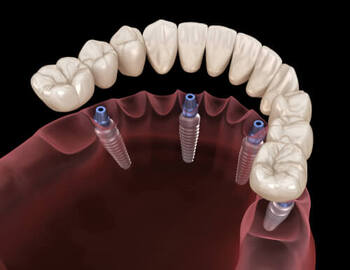

 For those opting for advanced solutions like full mouth dental implants, where only four implants support an entire arch of teeth, the cost can be higher, but the outcome is a more stable and natural-looking set of teeth. This method also tends to involve fewer implant fixtures and less invasive procedures, which can mean fewer expenses related to surgical complications or prolonged treatments.

 From a cost perspective, full-arch dental implants are often more cost-effective than placing individual implants for each missing tooth. Fewer implants mean fewer surgical procedures and less overall expense. It’s a practical choice for those seeking a full smile restoration without breaking the bank.
 Investing in your oral health benefits your entire health and quality of life. When addressing the challenge of missing teeth, full-mouth dental implants emerge as a remarkable solution that helps you achieve natural-looking results.
 Another significant advantage of dental implants is their ability to combat bone loss. The absence of a tooth can gradually lead to bone deterioration in the jaw, as it misses the stimulation that a tooth root provides. Dental implants act as an artificial tooth root, offering the necessary stimulation and preventing further bone loss. This is invaluable for maintaining facial structure and preventing the “sunken” appearance often accompanying significant bone loss.
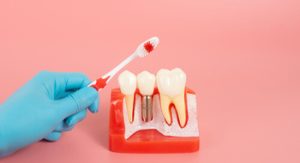 While the initial investment in dental implants might seem steep, especially when compared to dental bridges or dentures, the long-term benefits must be addressed. Dental implants, when properly maintained, can last a lifetime. In contrast, other solutions might require periodic replacements, adjustments, or associated dental procedures, leading to more costs over time. When you factor in dental implants’ comfort, functionality, and aesthetic appeal, they often prove to be a cost-effective solution in the long run.
 Location in Australia
 Restoration Type
 Selecting an implant provider is a pivotal decision impacting your dental restoration journey. Here’s a comprehensive guide to help you make an informed choice:
 Psychological Empowerment
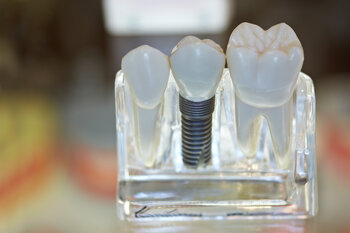

 Control of Chronic Conditions